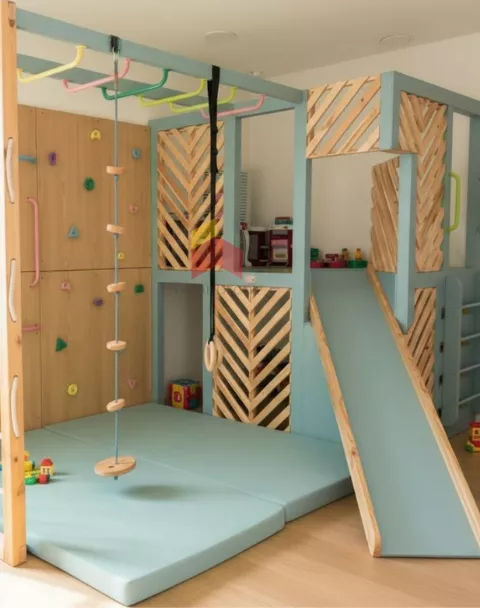
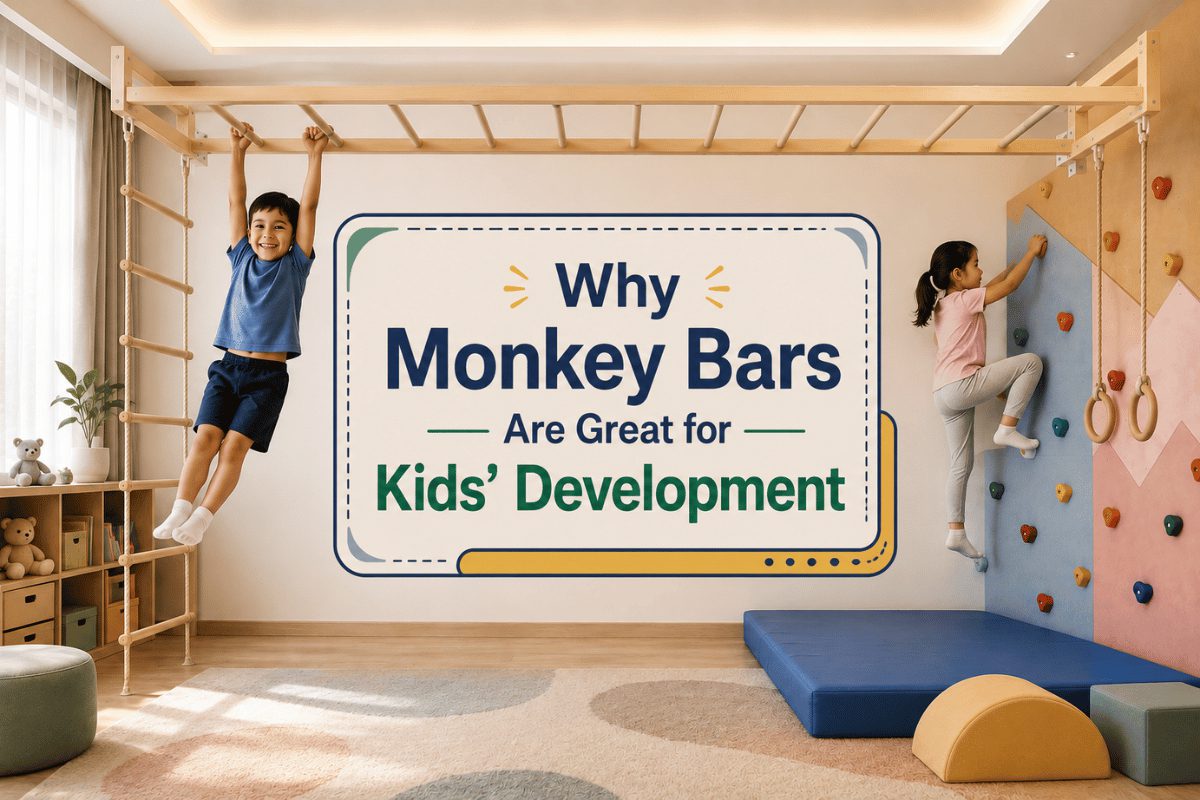
Why Monkey Bars Are Great for Kids’ Development becomes clear when you look beyond the equipment itself. Monkey bars are one of the simplest pieces of active play equipment, but they can give children much more than a fun challenge. Climbing, hanging, reaching, and moving from one bar to the next require children to use their arms, shoulders, hands, core, and body control together.
For parents, schools, nurseries, and play areas, monkey bars can be a practical way to encourage active play without turning exercise into a formal routine. The key is choosing equipment that suits the child’s age and ability and providing an appropriate, well-maintained play environment.
How Monkey Bars Support Child Development
Monkey bars encourage children to work with their own body weight. Every reach requires a decision about where to place the next hand, how to shift body weight, and how to maintain a secure grip.
This makes monkey bars useful for developing several physical and practical skills at the same time. Children can gradually move from simple hanging to reaching, swinging, and crossing several bars as their confidence improves.
1. Builds Upper Body Strength
Moving across monkey bars requires children to support and move their body using the arms, shoulders, chest, and back. Repeated climbing and hanging can help build upper body strength over time.
The activity is especially useful because children are usually focused on reaching the next bar rather than thinking about exercise. They are practising physical skills through play, which can make regular movement feel natural and enjoyable.
For younger children, even holding a bar for a few seconds is a useful starting point. As strength improves, they may begin to move from one bar to another with greater control.
2. Improves Grip Strength
A secure grip is essential when children use monkey bars. They need to hold the bar firmly while moving their body forward and changing hand positions.
Grip strength is useful in many everyday activities, including carrying objects, opening containers, using classroom materials, and handling pencils or utensils. Monkey bars give children a simple way to practise hand and finger strength while playing.
For families looking to create more climbing opportunities at home, monkey bar exercises for kids can provide ideas for progressing from basic hanging to more challenging movements.
3. Supports Core Stability and Balance
Monkey bar movement is not only about the arms. Children also need to keep their body controlled while hanging and reaching.
As they move between bars, the core muscles help stabilise the body and prevent unnecessary swinging. Children learn to shift their weight, control momentum, and adjust their position according to the next movement.
This combination of strength and control can support better body awareness during other physical activities too.
4. Develops Coordination and Motor Skills
A child using monkey bars has to coordinate several movements at once. The hands need to reach the correct bar while the rest of the body follows in a controlled sequence.
This makes monkey bars a useful activity for practising gross motor coordination. Children learn to plan movement, judge distance, and coordinate both sides of the body.
These skills can become especially important during the preschool and early school years, when children are developing greater control over running, climbing, balancing, jumping, and other active movements.
5. Encourages Problem Solving
Monkey bars present a simple physical problem: how do I reach the next bar without losing my grip?
Children answer that question through trial and error. They may try reaching with one hand, changing their body position, slowing down, or choosing a different movement pattern.
That process encourages children to think about movement instead of simply repeating the same action. A child who struggles with crossing the bars can break the challenge into smaller steps and gradually work towards the full movement.
Why Children Gain Confidence Through Monkey Bars
One of the most valuable parts of monkey bar play is the sense of achievement children experience as their skills improve.
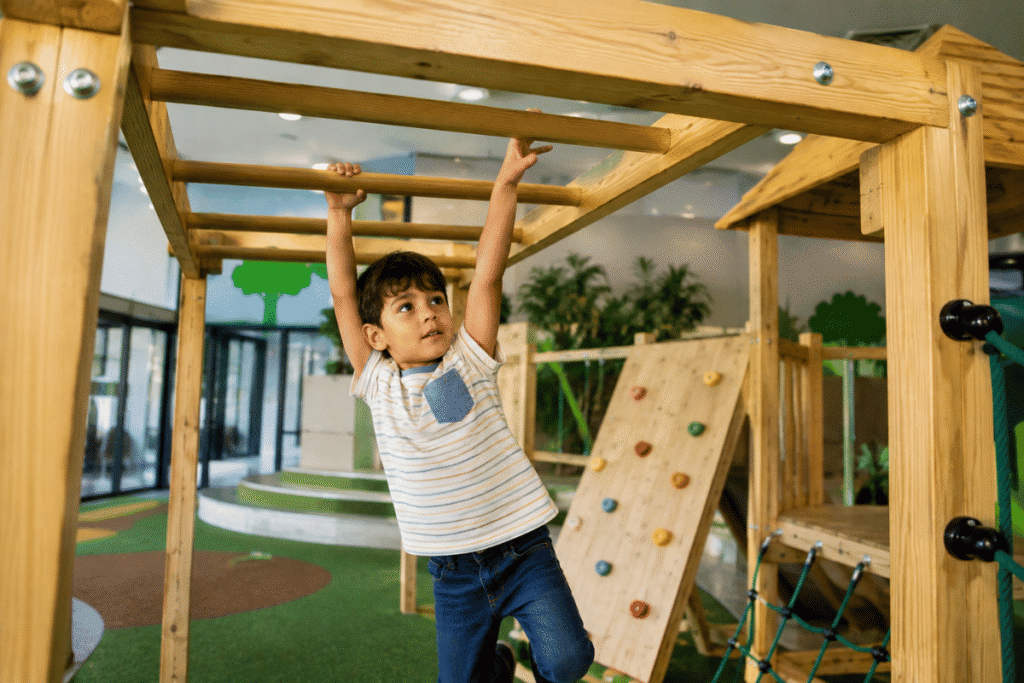
A child may begin by simply hanging from a bar. Later, they may reach for the next bar, cross two or three bars, and eventually make it all the way across.
Each small improvement gives children evidence that practice can make difficult tasks easier.
This can encourage:
- Greater confidence in physical abilities
- Willingness to try new movements
- Patience with challenging tasks
- Persistence after unsuccessful attempts
- A stronger sense of independence
Adults can support this process by focusing on progress rather than speed. Completing one more bar than last time is still meaningful progress.
Monkey Bars Encourage Active Play
Children need regular opportunities to move throughout the day. The World Health Organization recommends that children and adolescents aged 5 to 17 get an average of at least 60 minutes of moderate to vigorous physical activity each day, with activities that strengthen muscles and bones included regularly.
Monkey bars can be one part of that active routine. They can be used alongside running, jumping, climbing, balancing, outdoor games, and other forms of movement.
The goal is not to make every play session structured. Children benefit from having opportunities to decide how they want to use equipment and how much challenge they are ready to handle.
World Health Organization physical activity guidance
Social Skills Can Grow Through Shared Play
Monkey bars can also create opportunities for children to interact with one another.
At a school or nursery, children may wait for a turn, encourage classmates, demonstrate a movement, or celebrate when someone completes the bars for the first time.
These small interactions can support:
- Taking turns
- Communication
- Cooperation
- Encouragement
- Patience
- Respect for shared equipment
When monkey bars are included as part of a larger play area, they can become one activity within a space where children move between physical, social, and imaginative play.
Monkey Bars and Spatial Awareness
Children need to understand where their hands, feet, and body are in relation to the equipment.
When reaching for the next bar, they estimate distance and adjust their body position. When swinging, they learn how momentum affects movement. When climbing down, they need to judge where to place their hands and feet next.
These experiences give children repeated opportunities to practise spatial awareness and body positioning through real movement.
The challenge also changes naturally as children grow stronger and more confident. A movement that once required significant effort may eventually become easy, encouraging them to try a new skill.
Choosing the Right Monkey Bars for Kids
Not every monkey bar setup is appropriate for every child. Equipment should be selected according to the child’s age, ability, available space, installation requirements, and intended use.
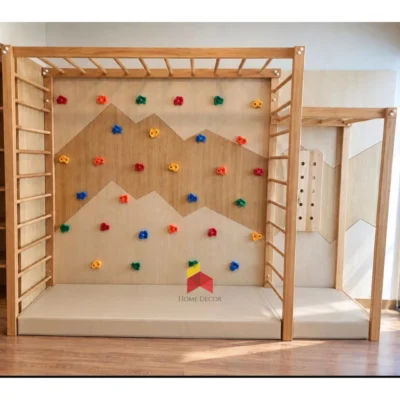
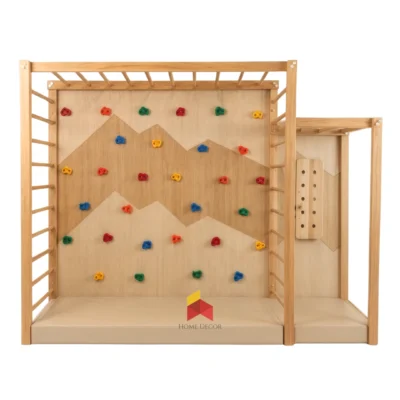
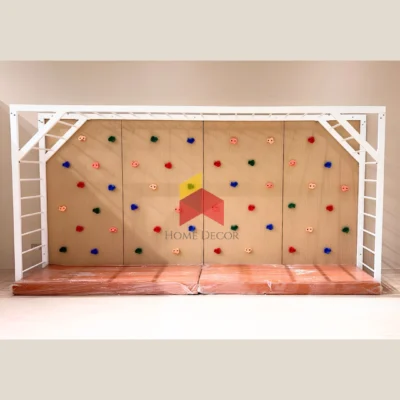
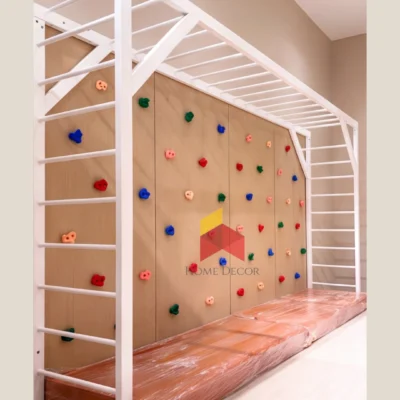
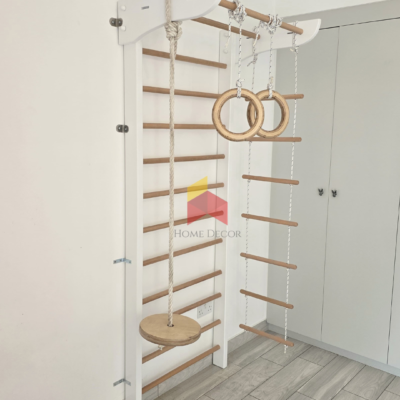
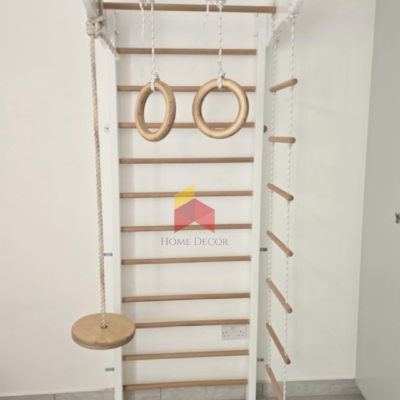
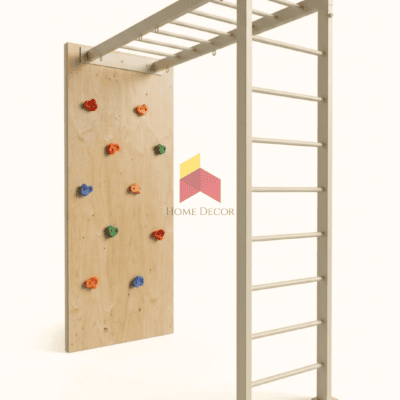
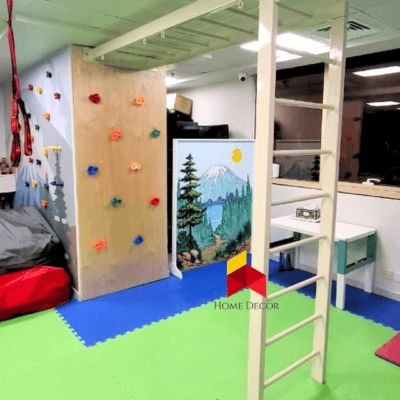
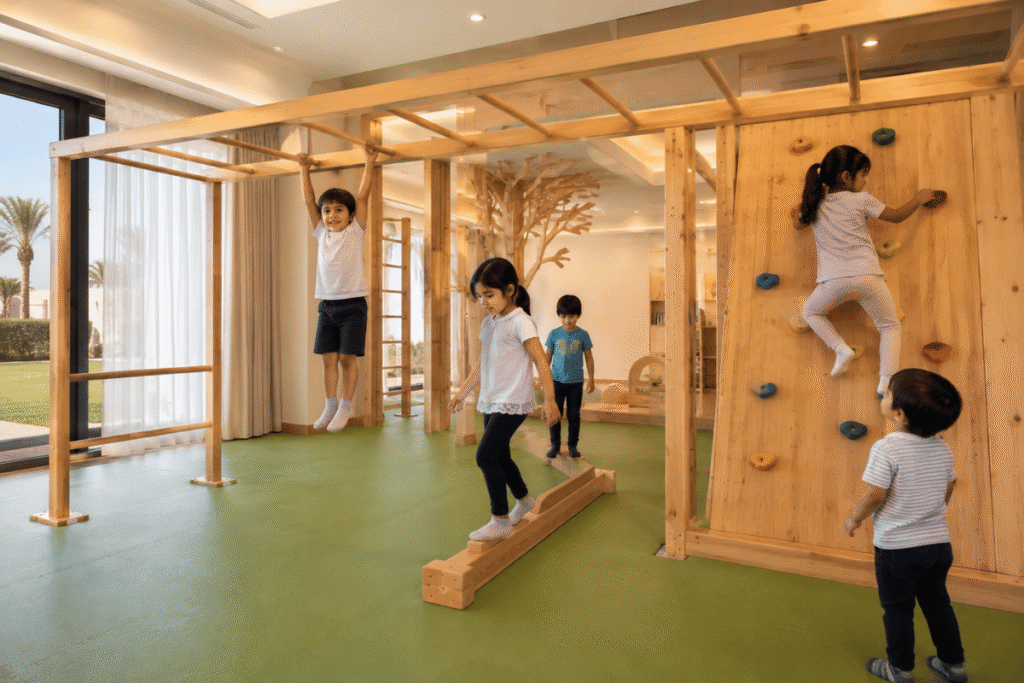
For example, families creating an active indoor space can consider Space Monkey Bar with Single Panel Climbing Wall when they want to combine monkey bar movement with climbing in one setup.
For larger play environments, XL Monkey Bar with Mountain Climbing Wall Panels offers a more substantial activity option that combines different climbing challenges.
The important point is to match the equipment to the children who will actually use it rather than choosing a setup based only on appearance.
Safety Should Come Before the Challenge
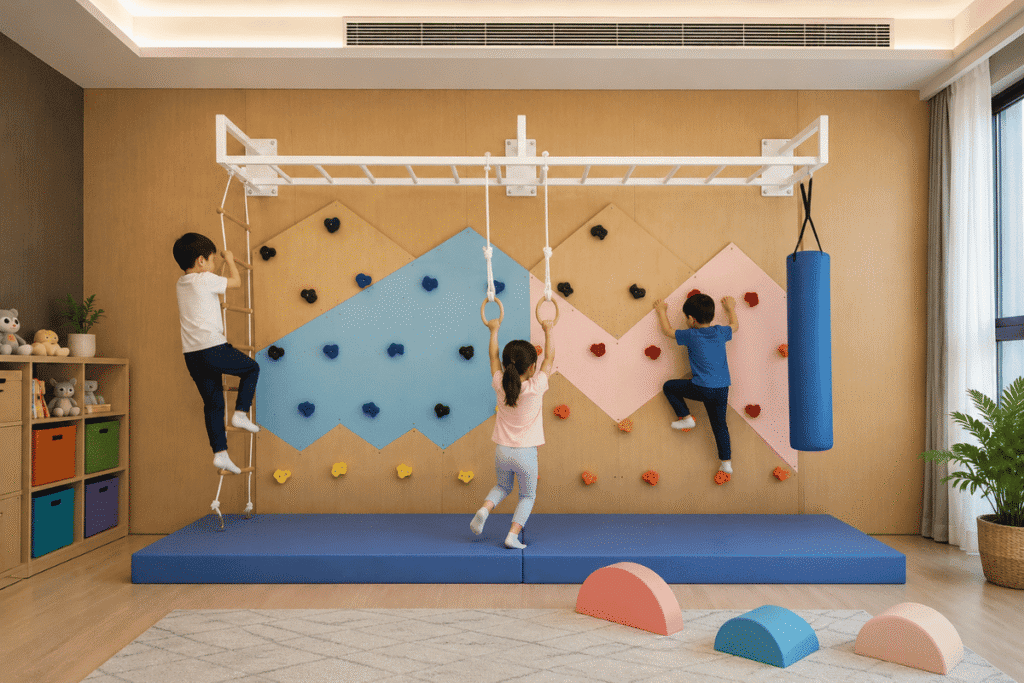
Monkey bars are designed for climbing, hanging, and movement, so the surrounding environment matters just as much as the equipment itself.
Before children begin using monkey bars, adults should check that:
- The equipment is correctly installed
- Mounting points are secure
- Bars and connectors are in good condition
- The landing area has suitable impact protection
- There is enough clear space around the equipment
- Children are using equipment appropriate for their abilities
- Younger or inexperienced children have suitable supervision
A well-planned landing area is especially important for equipment where children are suspended above the floor.
For additional protection in children’s play environments, wall padding mats for safety can be considered where the surrounding layout and equipment design make them appropriate. Suitable floor padding can also help create a softer area around selected indoor activities.
Parents and educators can also read indoor monkey bars in the UAE for more information about creating a climbing-focused play space.
Outdoor and Indoor Monkey Bar Options
Monkey bars can work in different types of children’s environments.
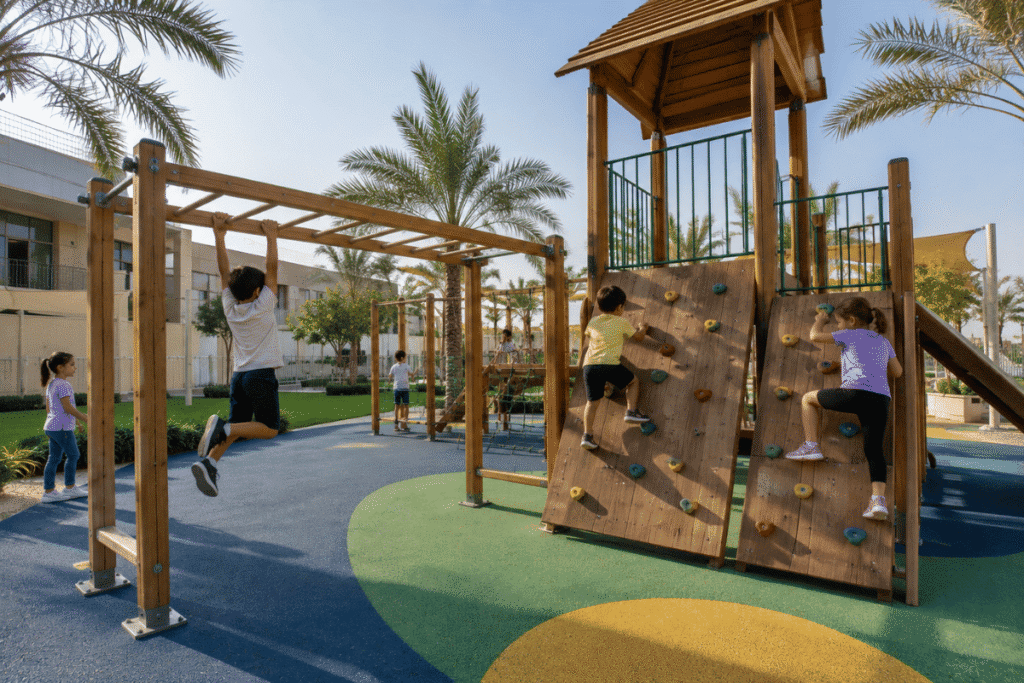
Outdoor setups can become part of a larger playground alongside swings, slides, climbing panels, and open movement areas. Indoor versions are useful when families, nurseries, or schools want to provide active play when outdoor conditions are unsuitable.
For a larger outdoor recreation area, a multi-activity structure such as an outdoor playground structure with swings, climbing panels, sandpit and slide can give children several forms of movement rather than concentrating activity around one feature.
The choice depends on available space, the children’s ages, the type of play environment, and how often the equipment will be used.
How to Make Monkey Bar Play More Engaging
Children do not always need a formal exercise routine to benefit from monkey bars. Simple challenges can make the equipment more interesting while allowing children to practise at their own level.
Try activities such as:
- Hang from the first bar for a comfortable amount of time.
- Reach from one bar to the next with both hands controlling the movement.
- Count how many bars the child can cross safely.
- Practise moving slowly instead of focusing on speed.
- Combine monkey bars with a climbing wall or balance activity.
- Let children create simple movement games under adult supervision.
The focus should remain on safe movement and gradual progress.
Why Monkey Bars Can Be a Long-Term Play Investment
A good climbing setup can remain useful as children develop new abilities.
Younger children may begin with simple hanging or assisted movements. As their strength and coordination improve, they can start reaching between bars and eventually cross longer sections.
Older children may use the equipment for more challenging movements and combine it with other climbing activities.
This progression makes monkey bars different from many toys that children quickly outgrow. The challenge can change even when the equipment stays the same.
For families and schools building a broader active play environment, our guide to Monkey Bars vs Swedish Wall can also help compare the movement patterns and space requirements of these two popular options.
Frequently Asked Questions
What skills do monkey bars help children develop?
Monkey bars can support upper body strength, grip strength, coordination, balance, spatial awareness, body control, and confidence through active play.
Are monkey bars good for younger children?
They can be suitable when the equipment is appropriate for the child’s age and ability and when proper supervision is provided. Younger children should begin with simple movements that match their current strength and confidence.
Do monkey bars improve grip strength?
Yes. Holding and moving between bars requires repeated use of the hands, fingers, and forearms, making grip strength an important part of monkey bar play.
Can monkey bars help with coordination?
Monkey bars require children to coordinate their hands, arms, trunk, and body position as they move from one bar to another. This makes them a useful activity for practising whole-body coordination.
Are monkey bars only useful for physical development?
No. The physical challenge can also involve decision-making, persistence, confidence, turn-taking, and social interaction, especially when children use the equipment together.
What should go under monkey bars?
A suitable impact-absorbing surface should be used according to the equipment, installation and play environment. Schools and families should follow the manufacturer’s instructions and applicable safety requirements.
Can monkey bars be used indoors?
Yes. Indoor monkey bars can be included in home playrooms, schools, nurseries, therapy spaces, and children’s activity areas when the equipment is correctly installed and the surrounding space is suitable.
How can parents make monkey bar practice more fun?
Simple challenges, counting bars, practising different movements, and combining monkey bars with other age-appropriate play equipment can keep children interested while allowing skills to develop gradually.
Final Thoughts
Why Monkey Bars Are Great for Kids’ Development becomes clear when you look beyond the equipment itself. A simple set of bars can give children repeated opportunities to practise strength, grip, coordination, balance, spatial awareness, problem solving, and confidence through active play.
The best results come from choosing equipment that matches the child, creating an appropriate safety zone, and allowing skills to develop gradually. Children do not need to master the equipment immediately. Small improvements, repeated practice, and positive encouragement can make climbing a rewarding part of everyday play.
For a more complete climbing environment, schools and families can combine monkey bars with climbing walls, balance activities, soft flooring, and other age-appropriate equipment. With thoughtful planning, monkey bars can become more than a playground attraction. They can be a useful part of a child’s everyday movement and development.