
Classroom Furniture That Improves Student Comfort does more than make a classroom look modern. The right desks, chairs, tables, and storage solutions can help create a learning environment where students can sit comfortably, move appropriately, work with classmates, and stay engaged with classroom activities.
Furniture that does not match students’ body dimensions can contribute to physical discomfort. Research on school furniture has found that mismatches between student measurements and desk or chair dimensions can be associated with discomfort, while a systematic review identified furniture dimensions and fit as important factors in students’ physical responses.
That makes furniture selection an important part of classroom planning rather than simply a finishing decision.
Why Classroom Furniture Matters for Student Comfort
Students spend a significant part of the school day using classroom furniture, so small design problems can become noticeable over time.
Chairs that are too high, desks that are poorly matched to students, limited legroom, or furniture that restricts movement may make students shift positions repeatedly or become distracted by discomfort.
UNICEF’s school furniture guidance highlights child-friendly design, appropriate materials, durability, ergonomics, and defined specifications as important considerations when procuring school furniture.
A comfortable classroom should therefore support both physical comfort and the way students learn.
hoosing Classroom Furniture That Improves Student Comfort can make everyday classroom activities more practical for both students and teachers.
1. Choose Desks and Chairs That Match Student Size
One of the most important principles in classroom furniture selection is correct sizing.
Students within the same classroom can vary considerably in height and body proportions. A single fixed furniture size may therefore not work equally well for everyone.
Look for furniture that provides:
- Appropriate seat height
- Suitable desk height
- Adequate seat depth
- Enough legroom
- Stable support
- Comfortable working space
A study conducted in Indian schools found significant mismatches between measured student dimensions and existing classroom furniture, with reported discomfort in areas including the shoulders, wrists, knees, and ankles.
For younger learners, appropriately scaled furniture becomes especially important.
Schools can also read the Kids Tables & Chairs UAE Guide when planning child-friendly classroom seating and table arrangements.
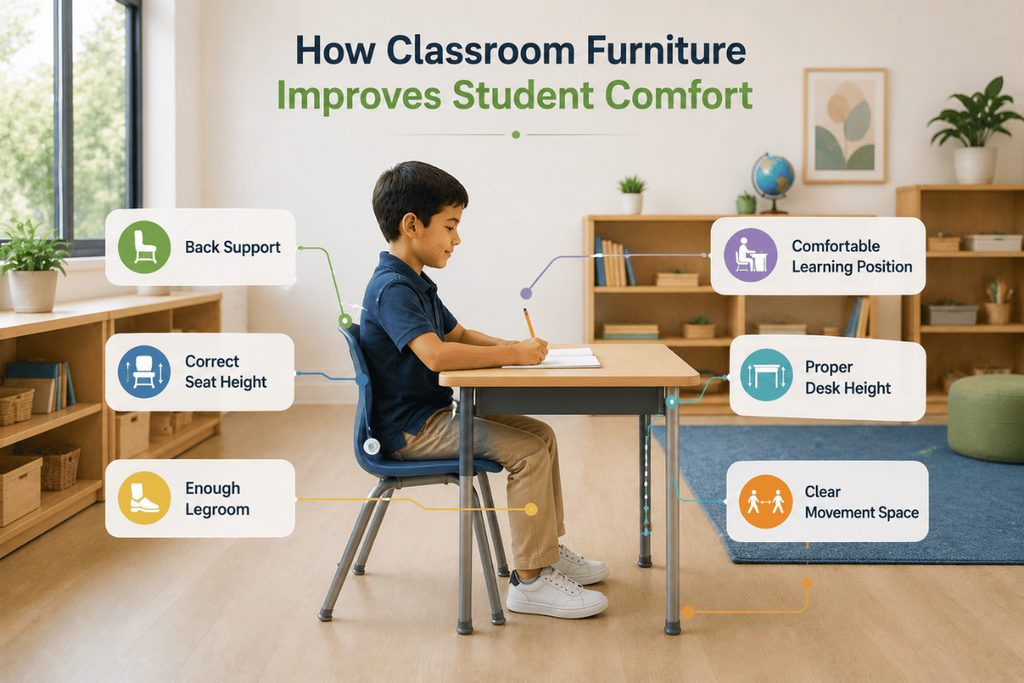
2. Prioritize Ergonomic Seating for Better Posture
A classroom chair should provide stable support without making students feel restricted.
A well-designed chair should help students maintain a comfortable working position while allowing natural movement throughout lessons.
Useful features can include:
- Supportive backrests
- Appropriate seat depth
- Stable legs
- Rounded edges
- Proper seat height
- Comfortable proportions
Research reviewing school furniture has found that compatibility between furniture dimensions and student body measurements can influence physical responses, while some adjustable or alternative furniture designs showed positive outcomes in reviewed studies.
A Primary Chair can be considered for classroom environments designed around younger students.
For classrooms that need easily movable seating, a Stackable Wooden Chair for Kids can also be useful for flexible layouts.
3. Consider Flexible Furniture for Different Learning Activities
Today’s classrooms are rarely limited to one teaching format.
A teacher may move from individual writing to group discussion, project work, creative activities, or collaborative learning during the same day.
Furniture should make these changes easier.
Flexible setups can include:
- Movable tables
- Lightweight chairs
- Modular desks
- Small-group tables
- Reconfigurable seating
- Open activity areas
Competitor research also emphasizes flexible seating and modular furniture because they can support different learning arrangements and give teachers more control over classroom zones.
A Semi Circle Table with Curved Legs can be useful for group-focused activities because its shape supports face-to-face interaction.
For different classroom configurations, a U-Shaped Table for Classrooms and Playrooms can also create a more collaborative working arrangement.
4. Use Classroom Furniture That Encourages Movement
Comfort does not mean keeping students completely still.
Children may benefit from appropriate opportunities to change position, move between activities, or work in different classroom zones.
Flexible furniture can make this easier without disrupting classroom organization.
For example, teachers can create:
Individual Work Zone → quiet desk work
Group Work Zone → shared table activities
Creative Zone → hands-on projects
Reading Zone → focused reading
Open Zone → movement-based activities
The classroom furniture should support these transitions rather than make every activity depend on the same fixed desk arrangement.
5. Create Comfortable Tables for Collaborative Learning
The shape and arrangement of tables can influence how easily students interact.
Traditional rows may work well for certain lessons, but other activities benefit from students facing one another.
Rounded, semi-circular, or grouped tables can help create more direct interaction during:
- Group discussions
- Art projects
- Team assignments
- Collaborative problem solving
- Small-group instruction
A Rectangle Shaped Table for Kids can work for structured classroom layouts, while curved or modular options can be arranged differently when collaboration is the priority.
The goal is not to choose one shape for every classroom. It is to choose furniture based on the activities the space needs to support.
6. Keep Storage Accessible and the Classroom Organized
Comfort can also be affected by the way the classroom is organized.
When books, activity materials, stationery, and classroom resources are scattered around the room, students and teachers may need to move unnecessarily or spend valuable lesson time searching for supplies.
Accessible storage can help keep frequently used materials organized.
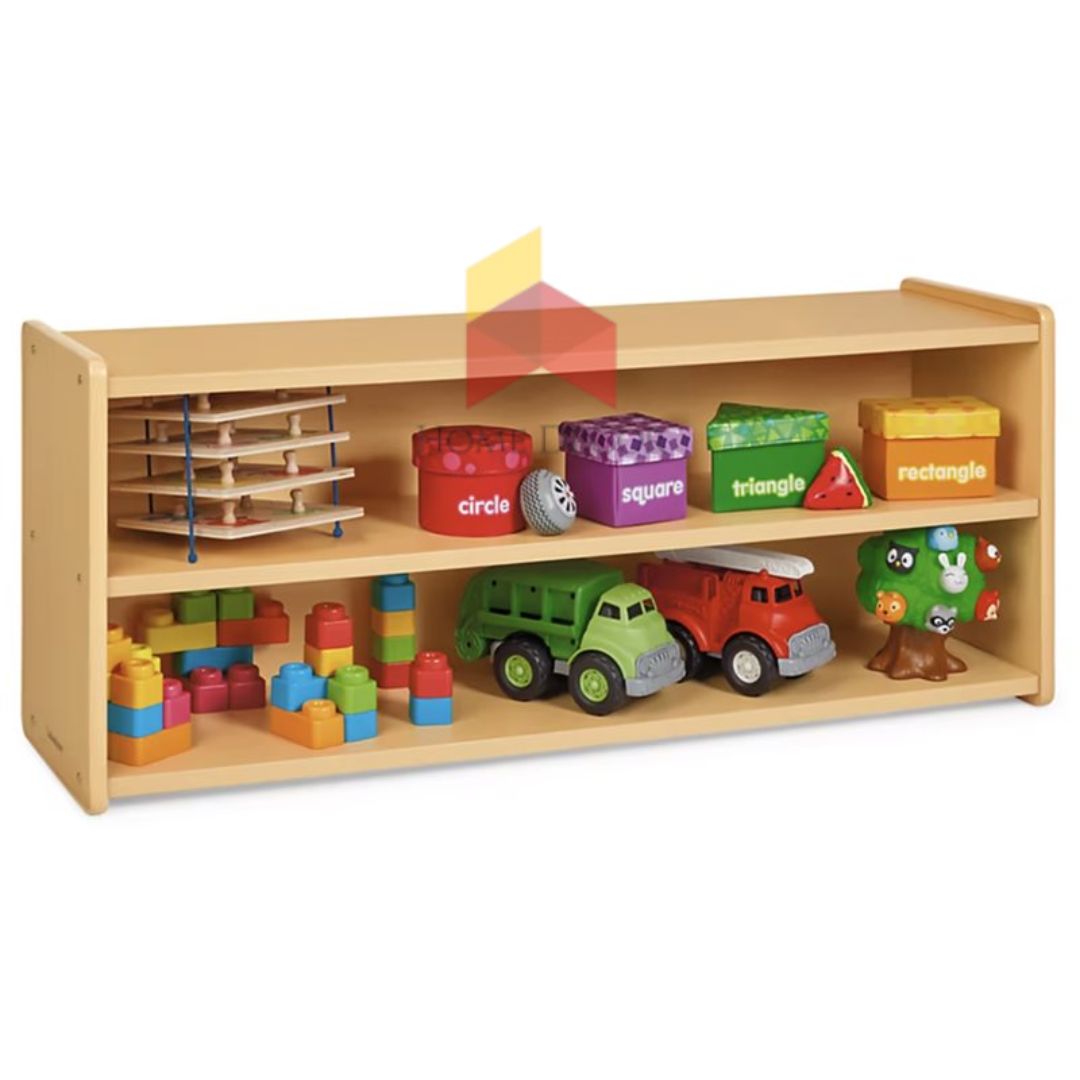
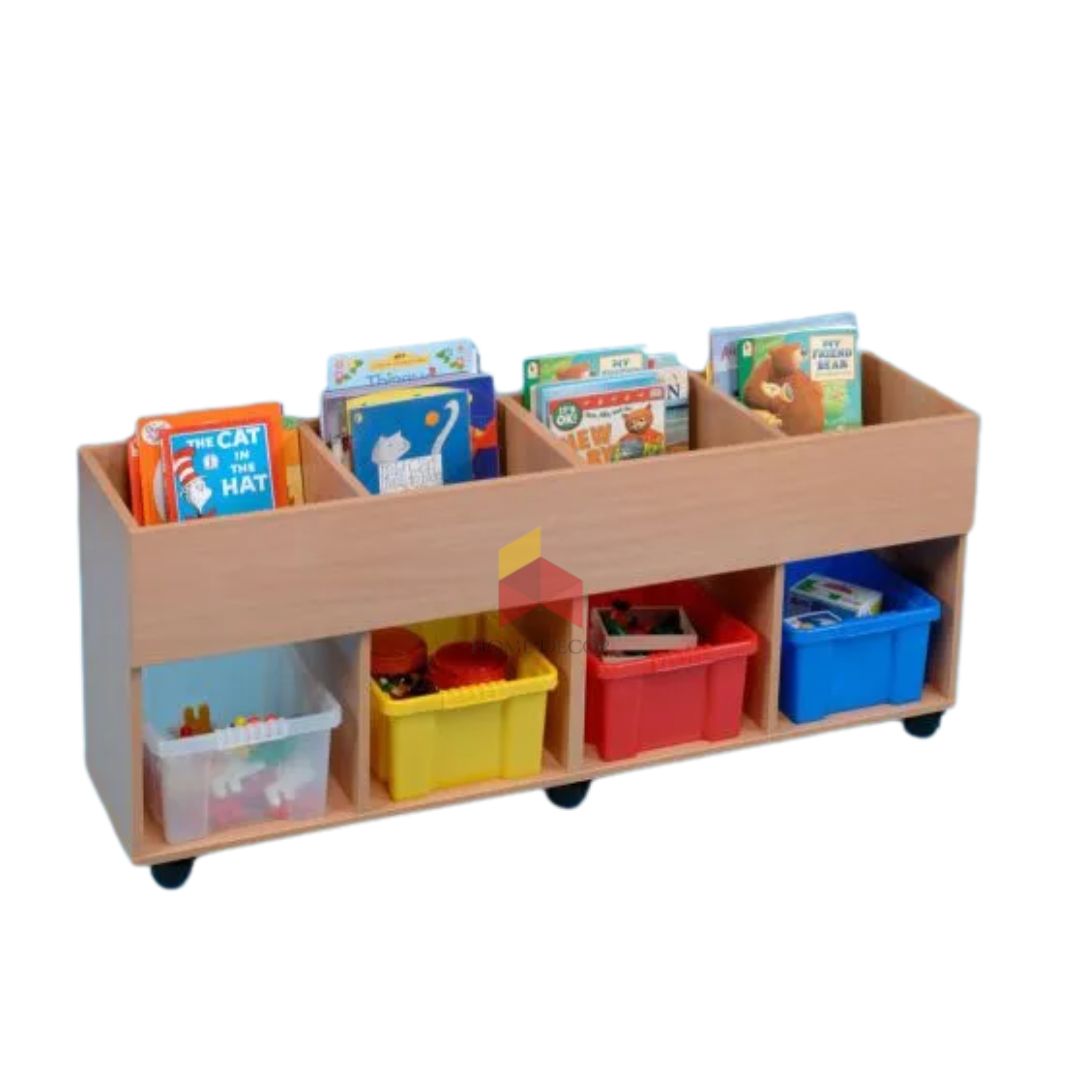
A Nine Compartment Open Shelf can divide resources into clearly visible sections.
For classrooms that need larger open storage, an Open Shelving Unit can help keep frequently used resources accessible while maintaining a cleaner layout.
Competitor research also highlights organized storage as a way to reduce visual clutter and keep classroom materials easier to access.
For more planning inspiration, explore Modern Classroom Furniture Ideas.
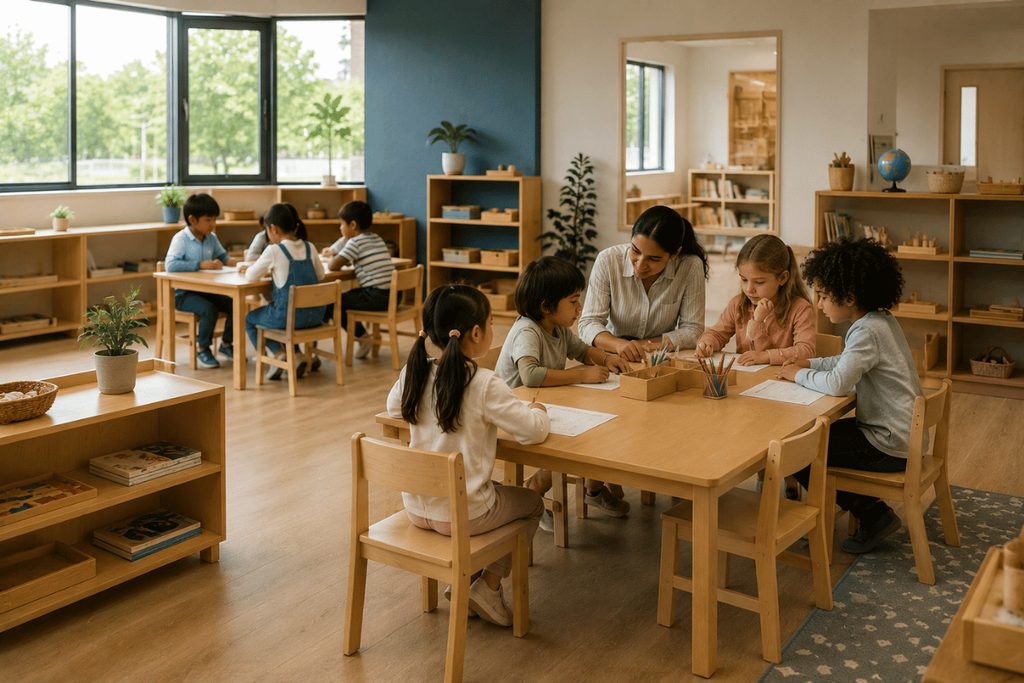
7. Choose Furniture for Specific Age Groups
A preschool classroom does not need the same furniture as a secondary-school classroom.
Younger students may need:
- Lower table heights
- Smaller chairs
- Rounded edges
- Easy-access storage
- More floor-level activity space
Older students may require:
- Larger work surfaces
- More legroom
- Technology-friendly desks
- Flexible group seating
- More storage for books and materials
Furniture should therefore be selected according to the age, size, and activities of the students who will use it.
UNICEF specifically identifies child-friendly design and appropriate specifications as important considerations in school furniture procurement.
8. Think About Durability and Long-Term Comfort
Comfortable furniture also needs to remain functional after repeated daily use.
Classroom furniture experiences constant movement, cleaning, repositioning, and general wear. Weak construction can quickly turn a comfortable piece into a maintenance issue.
When evaluating furniture, consider:
| Factor | What to Check |
|---|---|
| Size | Is it appropriate for the student age group? |
| Ergonomics | Does the design support a comfortable working position? |
| Stability | Does it remain steady during regular classroom use? |
| Materials | Are the materials suitable for frequent use? |
| Maintenance | Can the surfaces be cleaned easily? |
| Flexibility | Can furniture support different learning arrangements? |
| Storage | Does it help keep classroom resources organized? |
| Longevity | Can it handle repeated daily use? |
Durability is not just a budget consideration. UNICEF’s procurement guidance notes that suitable materials, durability, structural quality, and child-friendly design are all important challenges in school furniture selection.
Schools can also review the UNICEF School Furniture Design and Procurement Guidelines when developing classroom furniture specifications.
How to Arrange Furniture for Better Student Comfort
Even good furniture can work poorly if the classroom layout is crowded.
Start by keeping clear movement paths between desks, tables, storage, and teaching areas.
A practical arrangement might look like:
Front of Classroom: Teaching and presentation area
Center: Main student work area
Side Zone: Storage and learning resources
Corner: Reading or quiet activity space
Open Area: Group activities or flexible seating
Teachers should also be able to move around the classroom without navigating tightly packed furniture.
The layout should support teaching, supervision, movement, and collaboration at the same time.
A Simple Classroom Furniture Planning Guide
Before purchasing new furniture, schools can review these questions:
Student size: Are desks and chairs appropriately sized?
Comfort: Can students sit and work without unnecessary physical strain?
Learning style: Will the furniture support individual and group activities?
Movement: Can students and teachers move easily?
Storage: Are classroom materials accessible without creating clutter?
Flexibility: Can the layout be changed when teaching methods change?
Durability: Will the furniture withstand daily school use?
Safety: Are edges, joints, stability, and construction appropriate for the users?
This planning process can prevent schools from choosing furniture based purely on appearance or initial price.
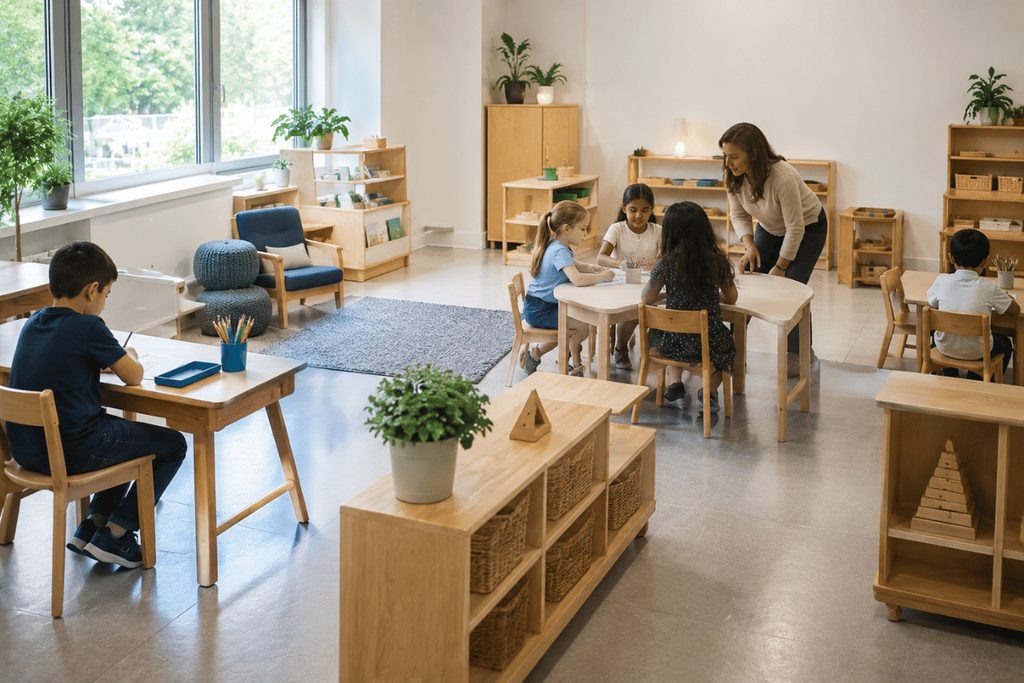
How Classroom Furniture Supports Different Learning Zones
Classroom Furniture That Improves Student Comfort should support different learning zones without restricting movement or making the room feel crowded.
A well-planned classroom does not have to look identical from one room to another.
| Learning Zone | Furniture Ideas | Main Use |
|---|---|---|
| Individual Learning | Student desk + chair | Writing and focused work |
| Group Learning | Semi-circle/group tables | Collaboration |
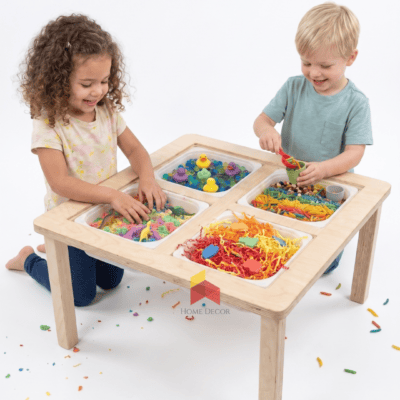
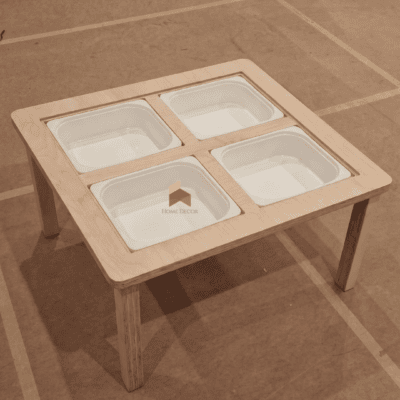
| Creative Work | Activity tables | Art and hands-on projects |
| Reading Area | Small chairs + shelving | Quiet reading |
| Resource Area | Open shelving | Books and materials |
| Flexible Zone | Movable seating/tables | Changing activities |
This approach helps schools choose furniture based on classroom function rather than purchasing unrelated pieces.
What Makes Classroom Furniture Truly Comfortable?
The answer is not simply a padded chair or attractive desk.
Classroom Furniture That Improves Student Comfort combines appropriate sizing, ergonomic support, practical layouts, accessible storage, durable construction, and enough flexibility for different types of learning.
A good classroom should make students feel supported without making the environment feel restrictive.
It should also make the teacher’s work easier by improving movement, organization, visibility, and transitions between activities.
For schools looking at a broader classroom setup, Kids Home Decor’s range of classroom and playroom furniture can be considered alongside the room’s age group, activities, and available space.
External Resource for Classroom Ergonomics
Well-planned Classroom Furniture That Improves Student Comfort can support a more organized, flexible, and student-friendly learning environment.
For schools developing furniture specifications, reviewing evidence-based ergonomic guidance can be useful. Research published through PubMed shows that compatibility between student body measurements and school furniture dimensions is an important consideration when evaluating physical comfort and classroom furniture design.
Schools can use this evidence alongside their own measurements, classroom needs, and applicable local standards when selecting furniture.
Final Thoughts
Choosing Classroom Furniture That Improves Student Comfort is about creating a learning environment that works for real students throughout the school day.
The best classroom furniture is appropriately sized, supportive, durable, flexible, and easy to organize. Instead of selecting desks and chairs only because they look good together, schools should consider how students will actually sit, move, learn, collaborate, and use the space.
With the right combination of ergonomic seating, flexible tables, accessible storage, and thoughtful classroom zoning, furniture can become an important part of a more comfortable and functional learning environment.
Frequently Asked Questions
What type of furniture improves student comfort in classrooms?
Ergonomically appropriate chairs and desks, correctly sized furniture, flexible tables, accessible storage, and layouts that allow movement can all contribute to a more comfortable classroom.
Why is ergonomic classroom furniture important?
Ergonomic classroom furniture is important because poorly matched furniture can contribute to physical discomfort, while appropriate sizing and support can improve the physical experience of classroom work.
Should classroom furniture be adjustable?
Adjustable furniture can be useful when classrooms contain students of different sizes or when schools want greater flexibility. However, adjustability is only one consideration; the furniture should still be stable, suitable for its users, and appropriate for the learning activities.
How should school desks and chairs fit students?
Furniture should be matched to the students’ body dimensions and age group. Seat height, desk height, seat depth, and legroom are all relevant factors when evaluating fit.
Does flexible seating improve classroom comfort?
Flexible seating can give students and teachers more options for different activities and positions. Its effectiveness depends on whether the options are age-appropriate, well managed, and integrated into a purposeful classroom layout. Competitor research also highlights flexible seating as a way to support comfort and engagement.
How can classroom furniture help students focus?
Comfortable, appropriately sized furniture can reduce physical distractions, while flexible layouts can support different learning activities. However, furniture is only one part of the overall learning environment.
What furniture should a modern classroom include?
A modern classroom may include student desks and chairs, flexible tables, accessible shelving, teacher workstations, and furniture that can support individual, group, creative, and technology-based activities.
How important is classroom storage?
Storage is important because organized resources can help reduce clutter and make frequently used materials easier to access. Open shelving and compartmental storage can be especially useful in activity-focused classrooms.
Should classrooms use the same furniture for every age group?
Not necessarily. Furniture should be selected according to student size, age, developmental needs, and the activities taking place in the room. UNICEF also emphasizes child-friendly design and appropriate specifications in school furniture planning.