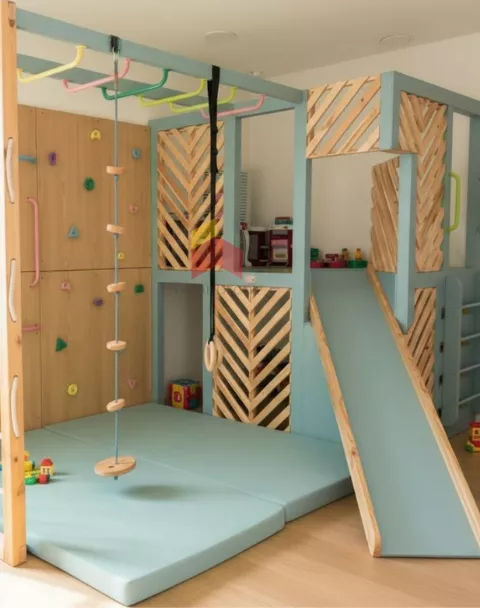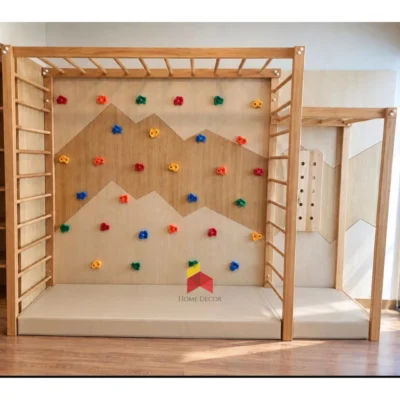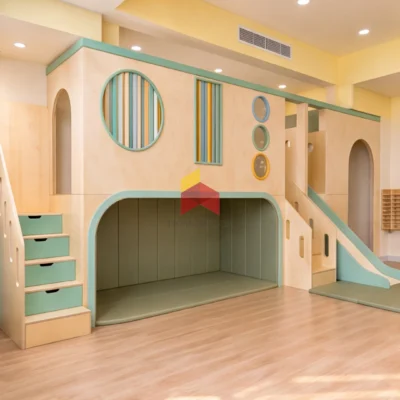
Check Before Buying a Toddler Bed is an important step for parents moving their child from a crib to a more independent sleeping space. A toddler bed is not just another piece of bedroom furniture. Its size, height, construction, mattress fit, and overall design can affect how comfortable and practical the transition feels for both the child and the parents.
Choosing a bed based only on appearance can lead to problems later. The bed may look attractive in a showroom or online but may not suit the child’s current needs, the bedroom layout, or the family’s long-term plans.
Before making a purchase, it is worth looking closely at the details that influence safety, comfort, usability, and value.
7 Things to Check Before Buying a Toddler Bed
When comparing different toddler beds, parents should look beyond colour and style. A well-chosen bed should fit the child, work well in the available room, and provide a comfortable space for everyday sleep.
Here are seven important things to review before making a decision.
1. Check the Bed’s Size and Height
One of the first things to consider is the overall size of the bed.
A toddler bed should feel manageable for a young child rather than oversized or difficult to access. A lower sleeping height can make it easier for a child to get in and out independently while also keeping the furniture visually appropriate for a smaller bedroom.
Parents should measure both the bed and the available space before ordering. Leave enough room around the bed for getting in, changing bedding, opening storage, and moving safely around the bedroom.
Think about:
- Overall bed dimensions
- Sleeping height
- Available floor space
- Distance from nearby furniture
- Room for movement around the bed
- Whether the bed will fit as the child grows
A carefully measured bed can make a small bedroom feel much easier to use.
2. Look at Safety-Focused Design Details
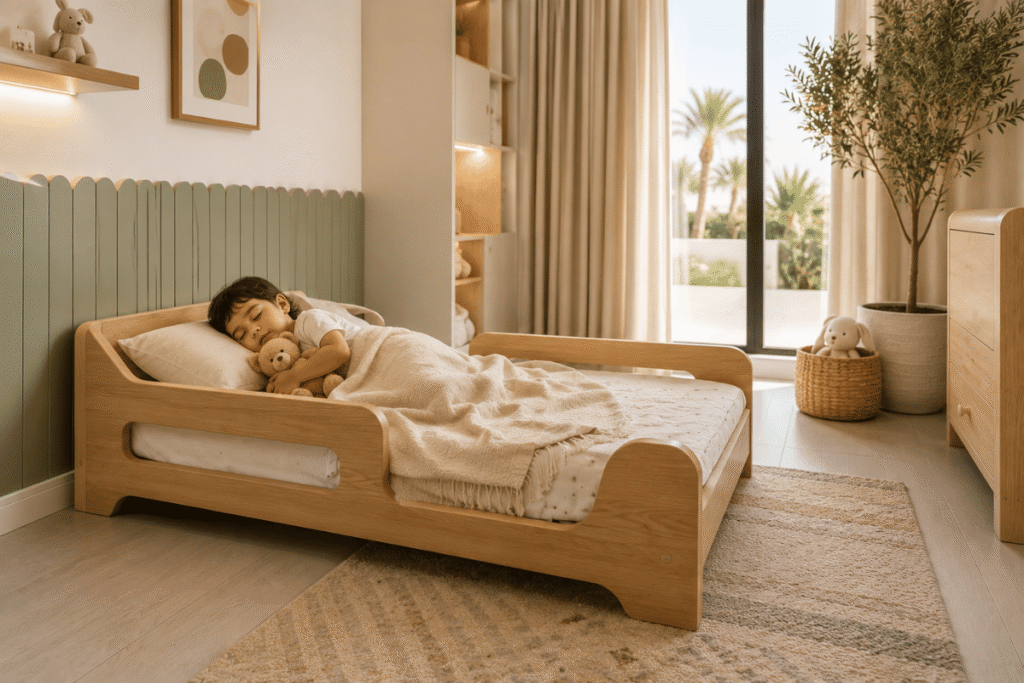
Safety should be one of the main considerations when selecting a sleeping space for a toddler.
Parents should inspect the bed carefully for features that support a stable and child-friendly design. Depending on the style, this may include low entry points, sturdy construction, smooth edges, and protective side rails or other design elements intended to reduce the chance of a child rolling out.
The exact features needed can vary depending on the child’s age, development, and the type of bed being considered.
Before buying, check:
- Whether the frame feels stable
- Whether edges are smooth and appropriately finished
- Whether the design includes suitable side protection
- Whether there are unnecessary gaps or protruding parts
- Whether the bed is appropriate for the child’s stage
It is also important to follow the manufacturer’s assembly and usage instructions rather than modifying the structure yourself.
3. Make Sure the Mattress Fits Properly
A good toddler bed needs the right mattress.
The mattress should be compatible with the bed frame and fit correctly within the designated sleeping area. Parents should not assume that every mattress will work simply because it has the correct general dimensions.
Check the manufacturer’s recommended mattress size before purchasing either the bed or the mattress separately.
A proper fit helps create a more comfortable sleeping surface and prevents avoidable problems caused by an unsuitable combination of mattress and frame.
When comparing options, consider:
- Mattress dimensions
- Mattress compatibility
- Support and firmness
- Ease of cleaning
- Availability of replacement bedding
Getting the mattress decision right at the same time as the bed purchase can make the entire setup much simpler.
4. Consider Materials and Build Quality
Toddler furniture needs to handle everyday use.
Children may climb onto the bed during the day, move around while sleeping, or use the surrounding space during play. Because of this, the quality of the frame and its construction matters more than a purely decorative finish.
Look at the materials used, the quality of the joints, the finish, and how securely the components fit together.
Parents should also think about maintenance. A practical bed should be relatively easy to clean and should continue to look good after regular use.
A well-made children’s bed can become a long-term part of the bedroom rather than something that needs to be replaced quickly.
For families comparing children’s bedroom furniture, options such as this Rimal’s Bed can also be considered alongside other suitable bedroom pieces.
5. Think About the Bed’s Design and the Child’s Room
A toddler bed should work with the room rather than making the space harder to use.
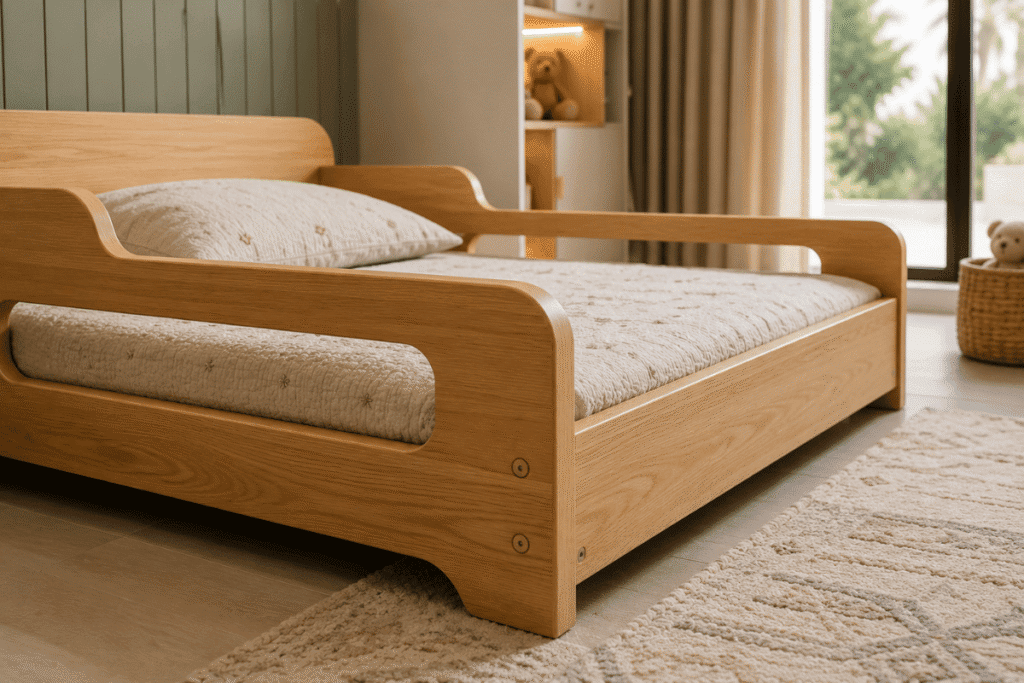
Parents often focus heavily on colour or decorative themes, but practical design can be just as important. A simple wooden frame may work well in a Montessori-inspired room, while a more distinctive design may suit a themed children’s bedroom.
Consider how the bed will work alongside:
- Storage furniture
- Bookshelves
- Play areas
- Rugs and flooring
- Study furniture
- Other children’s furniture
The best choice is usually one that fits naturally into the room’s overall layout.
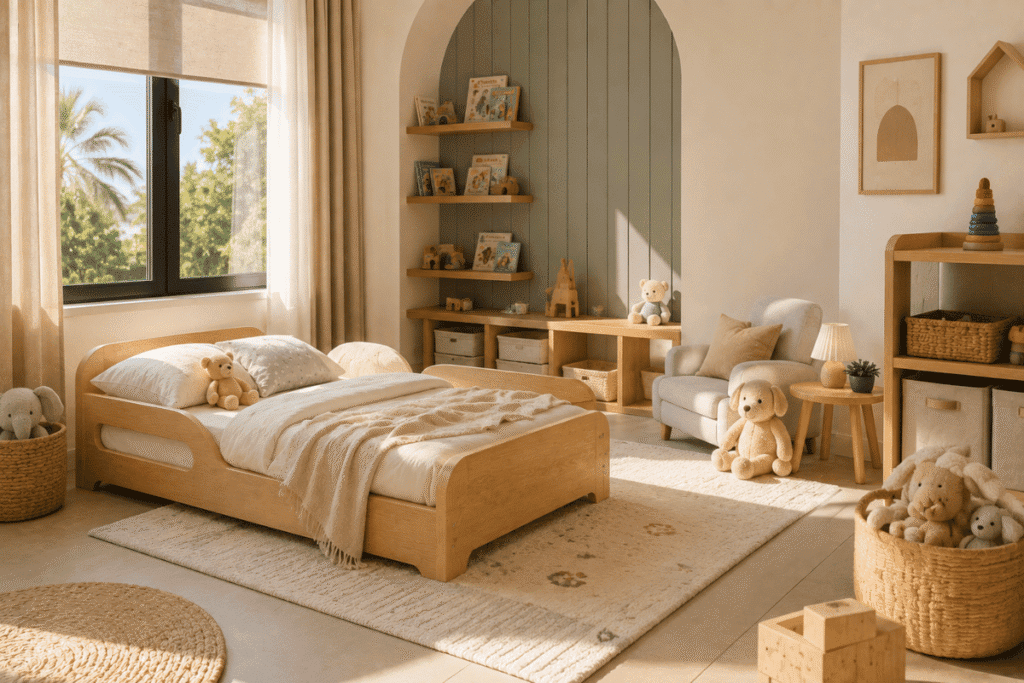
A thoughtfully designed children’s bedroom can combine sleeping, reading, storage, and play without making the room feel crowded.
For more ideas, families can also explore the Kids Beds Buying Guide for UAE for additional planning considerations.
6. Consider Ease of Cleaning and Everyday Maintenance
Toddlers can be messy, so easy maintenance should not be overlooked.
Spills, food, dust, and everyday wear are all part of life with young children. A bed with surfaces that are easy to wipe and maintain can save time for parents.
Pay attention to:
- Surface finish
- Accessible areas for cleaning
- Removable or washable bedding
- Ease of changing sheets
- Accessibility around the bed
It is also worth thinking about how easily parents can reach all sides of the bed when cleaning or changing bedding.
A beautiful bed that is difficult to maintain may become frustrating over time.
7. Think About Long-Term Value
The right toddler bed should make sense not only today but also for the child’s next stage.
Some families prefer a toddler-specific bed because it is designed around a young child’s current needs. Others may prefer a children’s bed with a design that continues to work as the child grows.
Before buying, think about how long you expect to use it and whether the bedroom may change in the next few years.
Consider:
- Expected period of use
- Child’s growth
- Available room space
- Future furniture changes
- Ability to reuse the bed
- Overall purchase value
A practical design can make a bigger difference than choosing the cheapest option available.
How to Choose the Right Toddler Bed for Your Home
There is no single toddler bed that works perfectly for every family.
The best choice depends on the child’s stage, bedroom size, sleeping habits, preferred design, and the family’s priorities.
For a smaller room, parents may want a compact low-profile bed that leaves more usable floor space. In a larger bedroom, there may be more flexibility to combine the bed with storage, reading areas, or a play corner.
Parents should also consider the child’s developing independence. A bed that allows the child to approach and leave the sleeping space easily can support a more independent bedroom routine.
The goal is to create a bedroom that feels comfortable and practical rather than simply filling the room with furniture.
Common Mistakes Parents Make When Buying a Toddler Bed
A few simple mistakes can make the buying process more difficult.
Choosing Style Before Function
A beautiful design is appealing, but practical features should come first. A bed should fit the child and the room before colour or decorative details are considered.
Forgetting to Measure the Room
Even a well-designed toddler bed can become a problem if it leaves too little walking space.
Buying the Mattress Separately Without Checking Compatibility
Always confirm that the mattress dimensions are appropriate for the selected frame.
Ignoring Future Needs
Some parents focus only on the child’s current age and forget that the bedroom may need to change soon.
Choosing Based Only on Price
The lowest initial price may not always provide the best long-term value. Durability, maintenance, and expected use also matter.
Creating a Comfortable Toddler Bedroom
A toddler bed works best when it is part of a thoughtfully planned room.
Keep the sleeping area visually calm and avoid overcrowding it with unnecessary furniture. Storage should be easy to access, pathways should remain clear, and frequently used items should be within a practical reach.
A comfortable room can also include a small reading space, open toy storage, or child-sized furniture that supports independence.
Families looking for complementary pieces can explore options such as a wooden Montessori bookshelf to create an organised reading corner or a home decor wooden Montessori bookshelf when wall-mounted storage is more suitable for the room.
Frequently Asked Questions
When should a child move to a toddler bed?
The timing depends on the individual child and their development rather than a single universal age. Parents should consider whether the existing sleeping arrangement is still appropriate and whether the child is showing readiness for more independent access.
What is the most important feature of a toddler bed?
There is no single feature that matters for every child. A suitable size, stable construction, appropriate mattress fit, practical design, and child-friendly safety features should all be considered together.
Should a toddler bed have side rails?
Some toddler beds use side protection to help reduce the chance of a child rolling out. Whether rails are appropriate depends on the bed design and the child’s needs, so parents should follow the manufacturer’s specifications.
Is a low toddler bed better?
A low profile can make it easier for a young child to get in and out independently. However, the overall design and suitability of the bed are more important than height alone.
Can a toddler bed be used for several years?
Some designs are intended primarily for the toddler stage, while others can remain useful for longer. Check the manufacturer’s recommended age, size, and usage information before buying.
What mattress should I use with a toddler bed?
Use a mattress that is specifically compatible with the selected frame and matches the recommended dimensions. Always check the manufacturer’s instructions before purchasing.
Final Thoughts
Buying a toddler bed is a decision that involves more than choosing a colour or attractive design. Parents should look carefully at size, safety-focused construction, mattress compatibility, materials, room layout, maintenance, and long-term value.
Taking time to compare these details can make the transition to a new sleeping space more comfortable for both the child and the family.
A thoughtfully selected bed can become more than a place to sleep. It can be part of a well-organised children’s room that supports comfort, independence, and everyday routines.