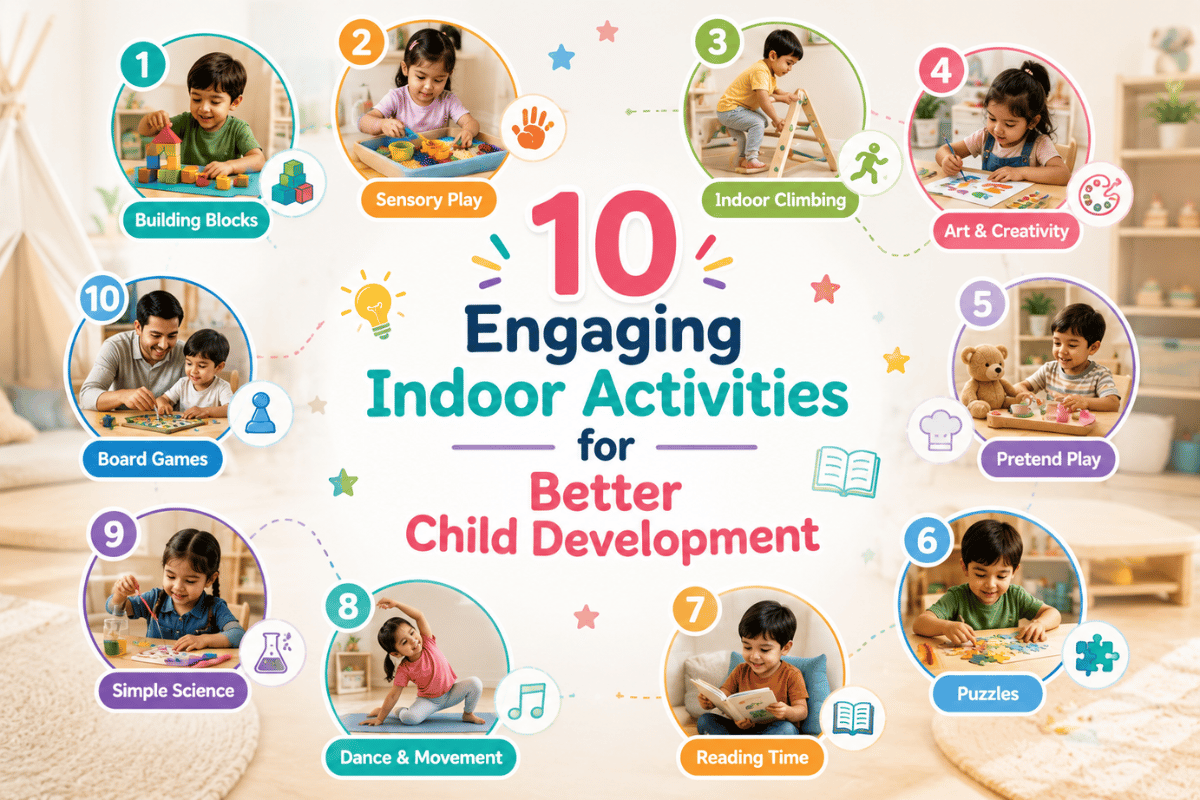
Best Indoor Activities That Improve Child Development are not necessarily expensive or complicated. Simple activities such as building, sensory play, movement games, creative projects, and pretend play can give children meaningful opportunities to learn while having fun.
Indoor activities become especially useful when outdoor play is limited by weather, space, schedules, or busy family routines. The right activities can encourage children to move their bodies, solve problems, use their hands, communicate with others, and explore their own ideas.
The most effective approach is to offer a mix of active, creative, sensory, and quiet activities instead of expecting one type of play to support every area of development.
Why Indoor Activities Matter for Child Development
Children learn through active interaction with their surroundings. Indoor play can support different developmental areas depending on how an activity is designed and used.
For example, building blocks may encourage planning and problem-solving, while sensory activities can involve touch, movement, observation, and experimentation. Games that require jumping, balancing, or crawling can support gross motor development.
Parents can also combine different activity types in one playroom rather than creating separate spaces for every skill. Our guide to indoor playroom ideas explains how activity zones can be combined with storage and furniture to create a more functional children’s space.
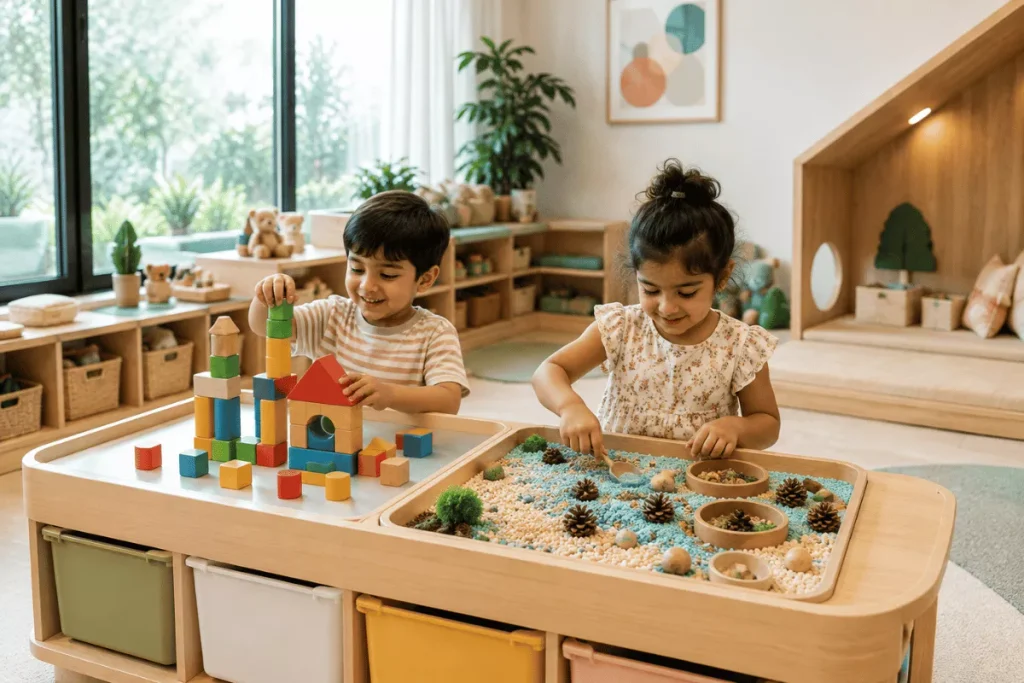
1. Building Blocks and Construction Play
Building activities are a simple way to encourage children to think, plan, create, and adjust their ideas.
Children can build:
- Towers
- Bridges
- Houses
- Roads
- Animals
- Simple machines
- Imaginary cities
The activity becomes even more valuable when adults allow children to decide what they want to build instead of providing a fixed outcome.
Construction play can encourage problem-solving because children need to decide which pieces fit together, what needs to be changed, and how to make a structure more stable.
For an organized activity setup, a STEM Activity Table can provide a dedicated surface for building, experimenting, and hands-on projects.
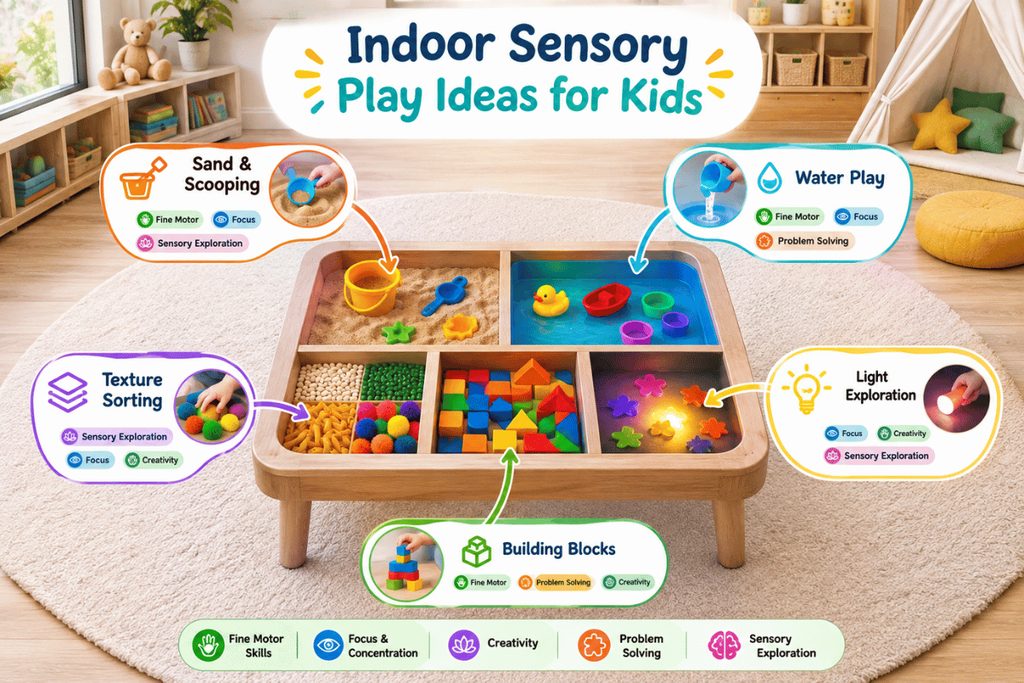
2. Sensory Play With Sand, Water, or Textures
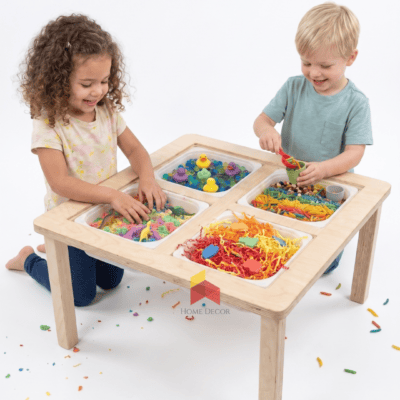
Sensory activities allow children to explore different textures, movements, materials, and cause-and-effect relationships.
Simple ideas include:
- Scooping and pouring
- Sorting textured objects
- Playing with kinetic sand
- Exploring water
- Mixing safe materials
- Matching objects by texture
- Hiding and finding small play items
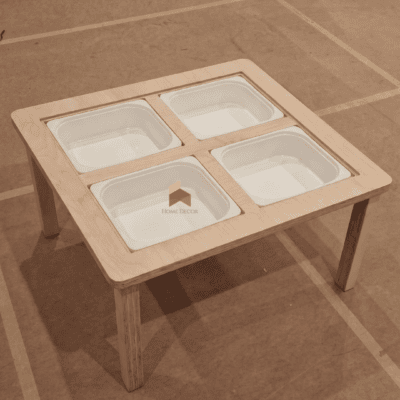
For a more structured sensory setup, a See-Thru Sand and Light Table can turn exploration into an engaging visual and tactile activity.
A Sensory Table with Duplo, Building Blocks, Sand and Water Play is another flexible option for combining construction and sensory exploration.
Parents looking for more ideas can also explore our Sensory Toys UAE Guide.
3. Indoor Obstacle Courses
Children do not need a large gym to stay physically active indoors.
A simple obstacle course can use cushions, mats, stepping surfaces, tunnels, and low climbing equipment.
For example:
Crawl → Step → Balance → Climb → Jump → Finish
Obstacle courses can encourage children to follow sequences while practicing balance, coordination, body awareness, and movement control.
A Soft Play Set for Toddlers can be useful for creating a softer movement area for younger children.
For more ideas about indoor physical spaces, see Indoor Play Area for Kids.
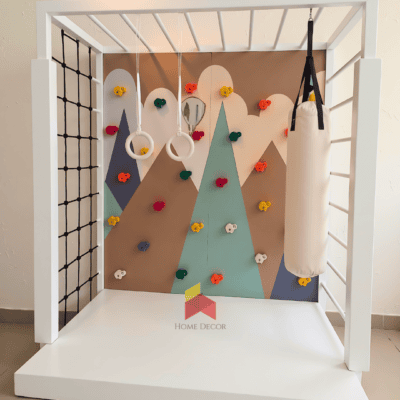
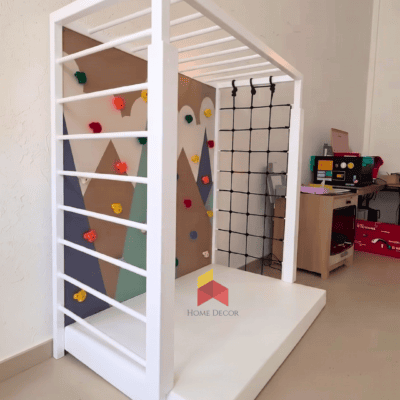
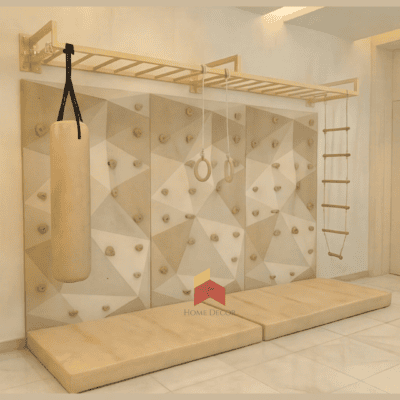
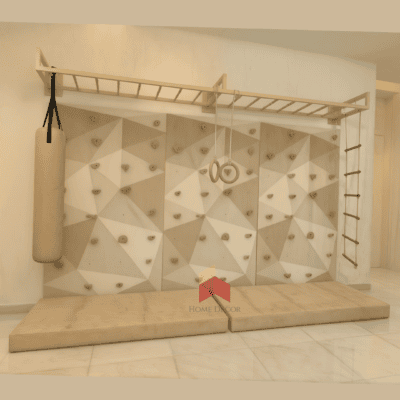
4. Climbing and Balance Activities
Climbing is another way to introduce physical challenge into indoor play.
Depending on a child’s age and ability, families may consider:
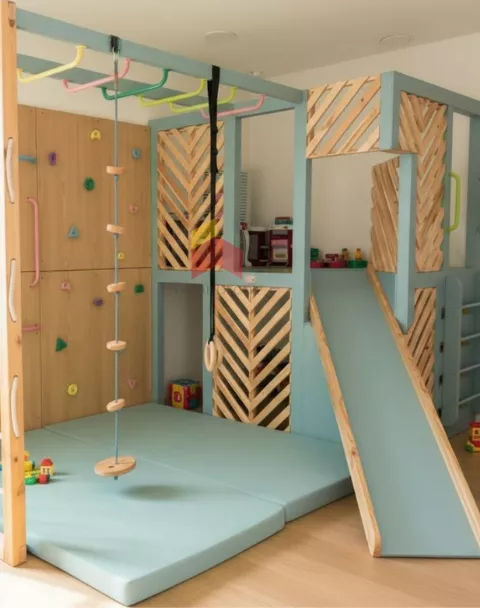
- Low climbing structures
- Climbing arches
- Balance activities
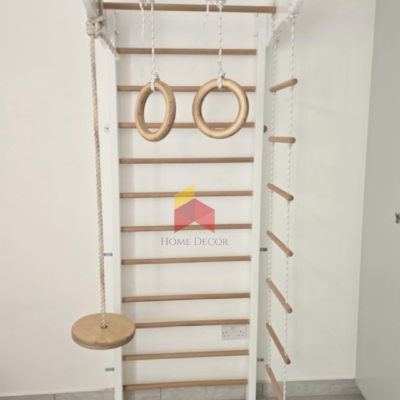
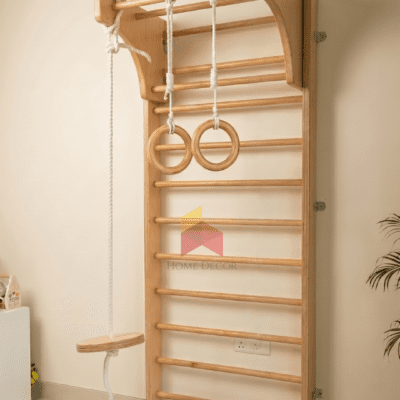
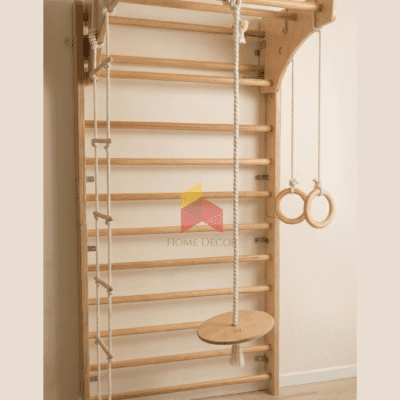
- Pikler equipment
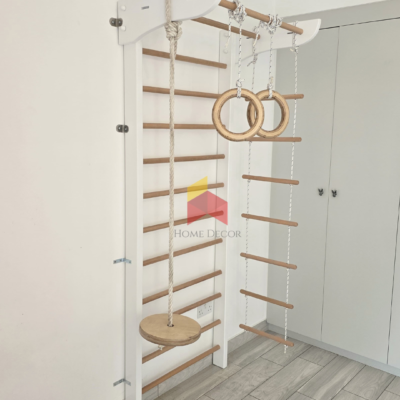
- Indoor climbing walls
- Simple movement circuits
A Pikler Triangle Set can provide opportunities for climbing, movement, and exploration at an age-appropriate level.
A Climbing Arch can also introduce different movement patterns while occupying relatively little floor space.
The goal should be to choose equipment that matches the child’s developmental stage rather than simply choosing the largest climbing structure available.
5. Pretend Play and Role-Play Games
Pretend play encourages children to create imaginary situations and communicate through stories.
Children can pretend to be:
- Doctors
- Shopkeepers
- Chefs
- Teachers
- Drivers
- Builders
- Family members
Role-play can encourage communication, imagination, cooperation, and creative thinking.
Adding realistic play elements can make the experience more engaging. For example, a Role Play Kitchen Set can become a pretend restaurant, home kitchen, café, or cooking classroom.
This type of play works particularly well when children are given open-ended opportunities rather than strict instructions.
6. Art and Creative Projects
Creative activities allow children to make choices, experiment with materials, and express ideas.
Try:
- Drawing
- Painting
- Collage
- Cutting and pasting
- Clay modeling
- Sticker scenes
- Simple craft projects
Creative play does not always need a finished product. The process of choosing colors, handling materials, and deciding what to create can be just as important.
A dedicated table can help children understand where creative activities happen and where materials can be stored afterward.
7. Indoor Movement Games
Active games can make indoor play more energetic without requiring specialized equipment.
Try simple games such as:
- Simon Says
- Animal walks
- Follow the leader
- Indoor treasure hunts
- Freeze dance
- Balloon activities
- Obstacle races
- Floor-based jumping games
These games can combine movement with listening, following instructions, memory, and social interaction.
A simple open floor area is often more useful than filling the room with equipment.
Families comparing indoor and outdoor options can also read Indoor Play vs Outdoor Play in UAE Homes.
8. Puzzles and Problem-Solving Activities
Quiet activities can be just as valuable as physical play.
Puzzles, matching games, sorting tasks, maze activities, and simple challenges can encourage children to:
- Notice patterns
- Compare objects
- Remember information
- Plan steps
- Try different solutions
- Persist after mistakes
A useful way to increase engagement is to gradually change the difficulty instead of giving children an activity that is either too easy or too frustrating.
9. Reading and Storytelling Activities
Reading creates an opportunity for children to listen, ask questions, imagine characters, and connect ideas.
Parents can make reading more interactive by asking:
“What do you think happens next?”
or
“Why do you think the character did that?”
After the story, children can draw a scene, act out a character, or create a new ending.
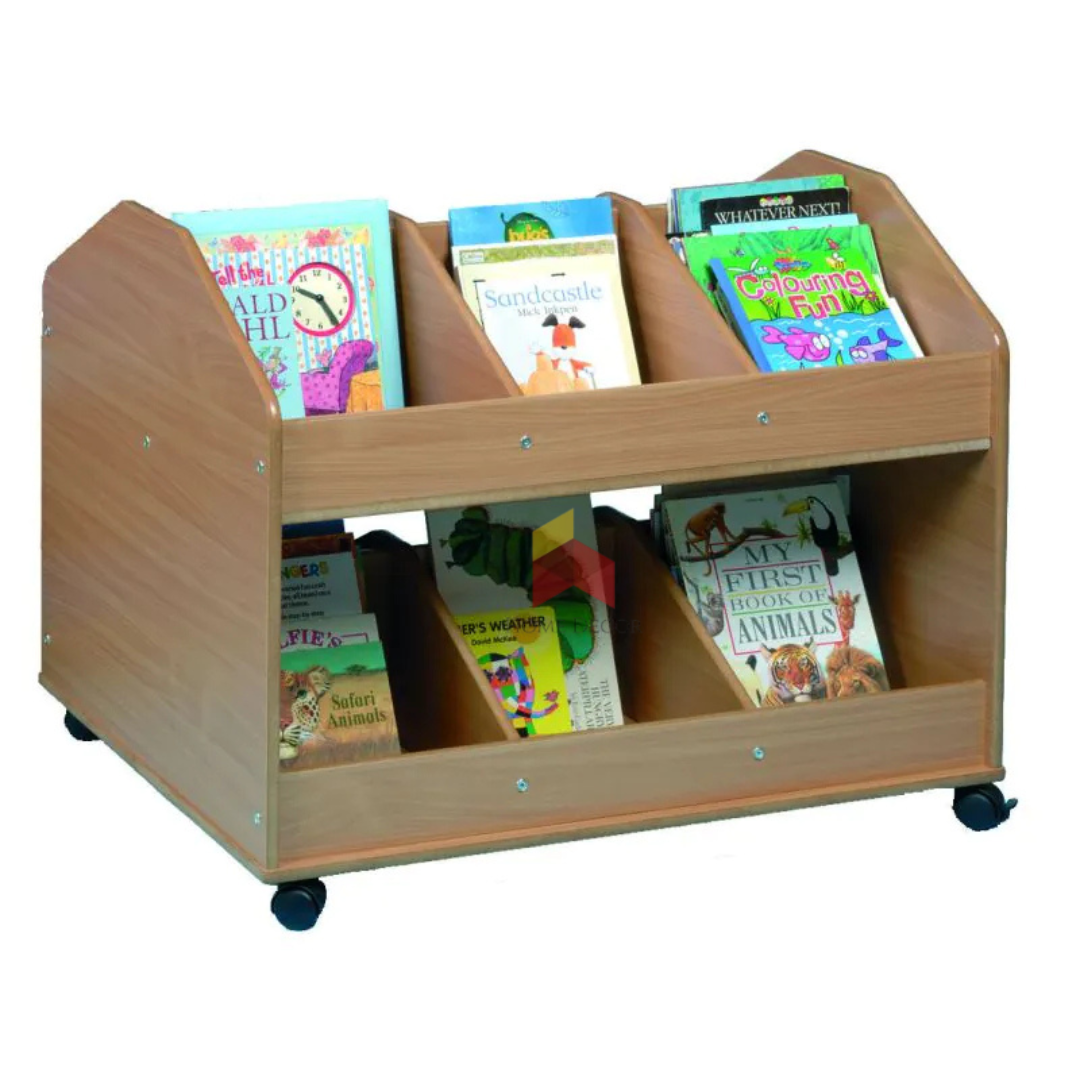
A comfortable quiet corner with accessible books can therefore become part of the broader play environment rather than a separate classroom-style area.
10. Matching, Sorting, and Everyday Learning Games
Everyday objects can become learning materials.
Children can sort:
- Colors
- Shapes
- Sizes
- Toys
- Household-safe objects
- Animal figures
- Building pieces
You can also turn these activities into simple challenges:
Find five red objects.
Group the biggest pieces together.
Match each shape to its outline.
Put objects in order from smallest to largest.
These games can be adapted for different ages and require very little equipment.
How to Choose the Right Activities for Your Child
Not every child enjoys the same type of activity.
Some children may prefer climbing and movement, while others may spend longer building, drawing, reading, or exploring sensory materials.
A balanced indoor play environment should therefore include different choices.
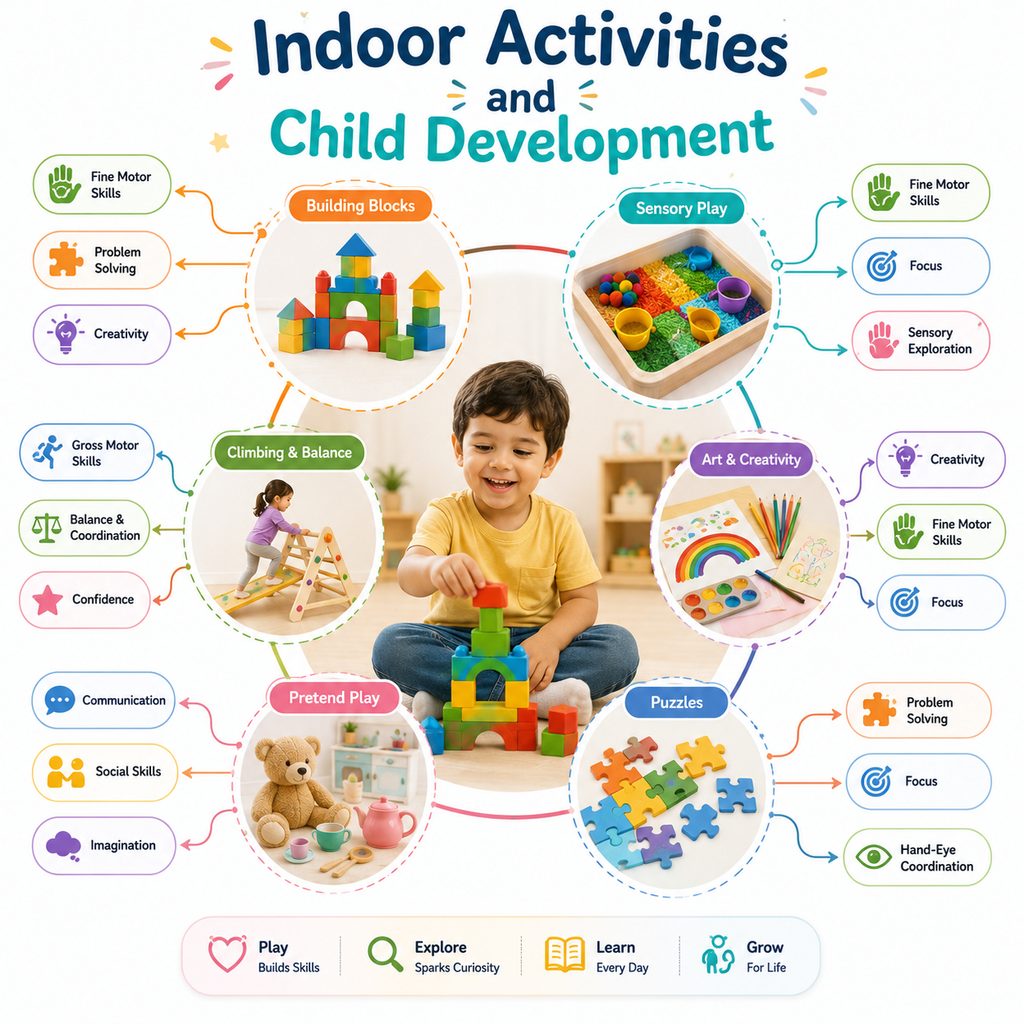
| Development Area | Indoor Activity Ideas | Skills Encouraged |
|---|---|---|
| Fine Motor | Drawing, sorting, puzzles | Hand control, coordination |
| Gross Motor | Obstacle courses, climbing, movement games | Balance, strength, body control |
| Cognitive | Blocks, puzzles, matching | Problem-solving, memory |
| Sensory | Sand, water, textures | Exploration, focus |
| Social | Role play, group games | Communication, cooperation |
| Creative | Art, storytelling, pretend play | Imagination, expression |
This type of variety is particularly useful when designing a dedicated children’s space.
Our Affordable Kids Play Space Ideas guide also offers practical inspiration for creating engaging spaces without making the room feel overcrowded.
Create Activity Zones Instead of Filling the Room
A common mistake is buying many toys and placing them everywhere.
A better approach is to create small activity zones:
Active Zone → Climbing, balance, movement
Sensory Zone → Sand, water, texture activities
Creative Zone → Art and crafts
Learning Zone → Puzzles and building
Quiet Zone → Reading and calm play
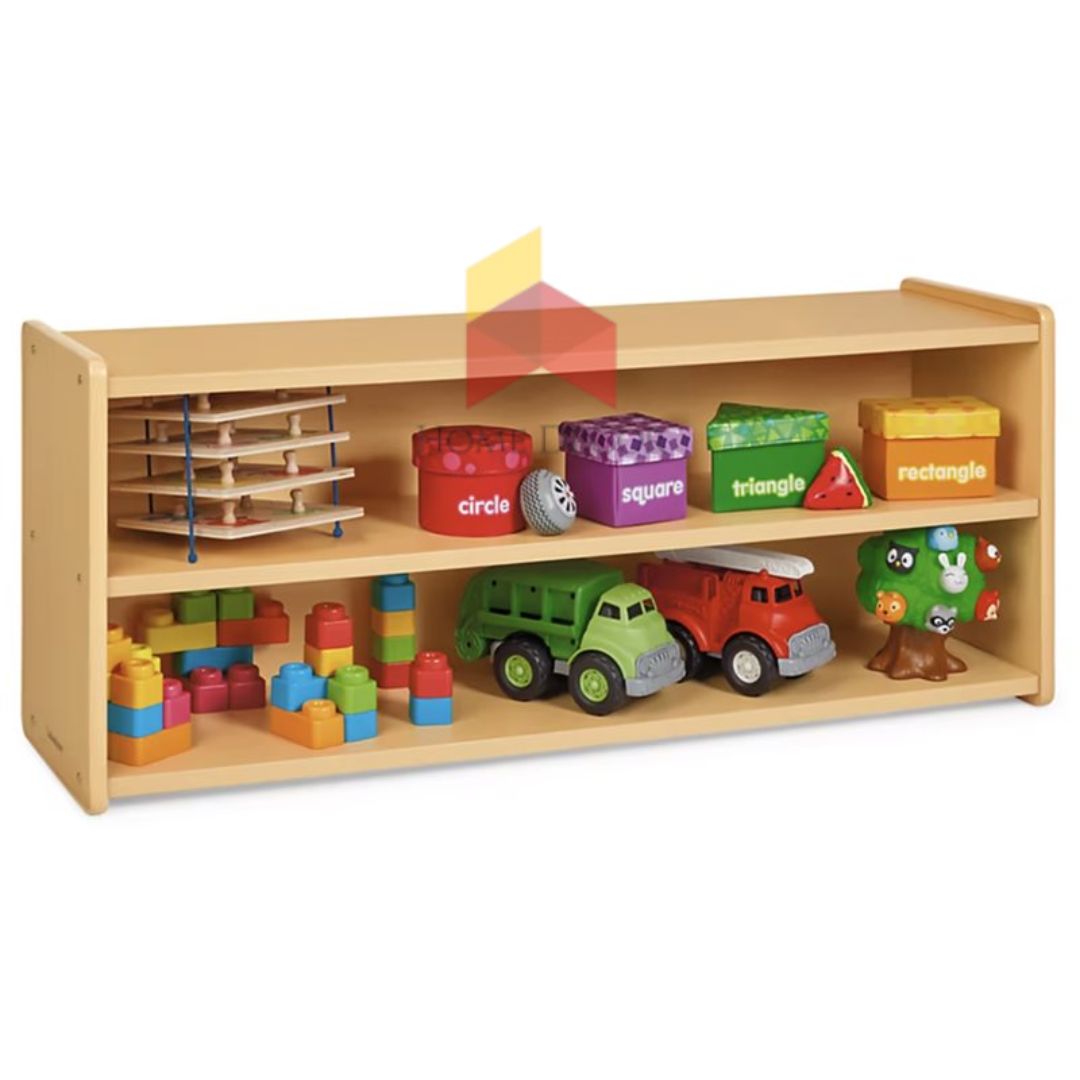
The zones do not have to be separated by walls. A low shelf, rug, children’s table, or furniture arrangement can visually define each area.
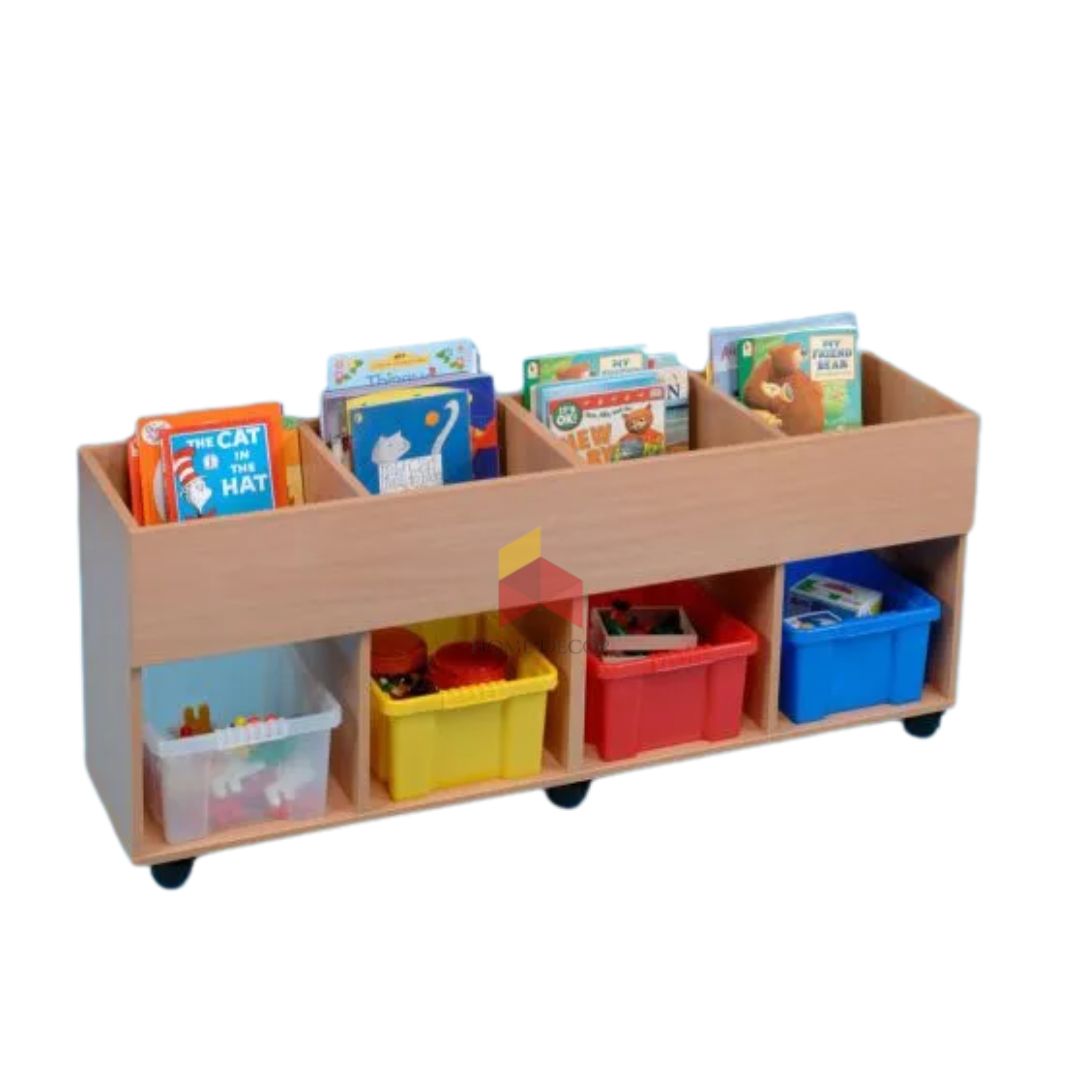
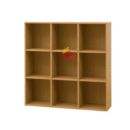
A Toy Shelf 3 Storage can help keep frequently used materials organized and visible.
Keep Indoor Activities Safe and Manageable
Developmental value should never come at the expense of basic safety.
Before starting an activity, consider:
- Is the activity suitable for the child’s age?
- Are materials large enough to reduce choking risks?
- Is there enough movement space?
- Could the child fall onto a hard surface?
- Does equipment need adult supervision?
- Are climbing products installed correctly?
- Can toys be stored without creating trip hazards?
For active play areas, appropriate flooring is also important. Families planning a dedicated play space can review Best Flooring for Kids Play Areas before choosing the final setup.
How to Keep Children Interested in Indoor Activities
Children can lose interest when the same activity is presented in exactly the same way every day.
Instead, rotate activities.
For example:
Monday: Building challenge
Tuesday: Sensory exploration
Wednesday: Obstacle course
Thursday: Art project
Friday: Pretend-play story
You can also combine two activities.
Try building a toy city and then using it for pretend play. Or create an obstacle course and add a storytelling theme.
This makes the same equipment feel different without requiring constant purchases.
Build a Development-Focused Indoor Play Environment
The best Best Indoor Activities That Improve Child Development are not necessarily the most expensive ones. Their value comes from how actively children participate and what opportunities the activity provides.
A strong indoor play environment should offer a mixture of:
Movement + Sensory Exploration + Creativity + Problem Solving + Social Interaction + Quiet Play
Parents can start with a small number of activities and gradually build the room around their child’s interests.
For children who enjoy sensory exploration, climbing, or active play, the equipment can become more specialized over time. For example, Kids Home Decor offers products ranging from sensory tables and Pikler equipment to soft-play sets and climbing structures.
Final Thoughts
Best Indoor Activities That Improve Child Development can be surprisingly simple. Building blocks, sensory trays, puzzles, pretend play, art, movement games, climbing, and storytelling can all create valuable opportunities for children to explore and learn.
The key is variety.
Rather than trying to fill a room with as many toys as possible, create a balanced environment where children can choose between active movement, hands-on exploration, creative work, problem-solving, social play, and quiet activities.
That approach can make indoor play more engaging while supporting development in a natural, enjoyable way.
For additional guidance from a child-development perspective, parents can also review UNICEF’s resources on play and child development.