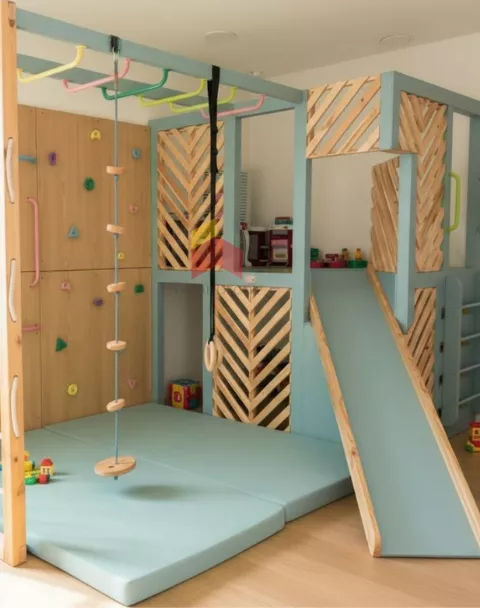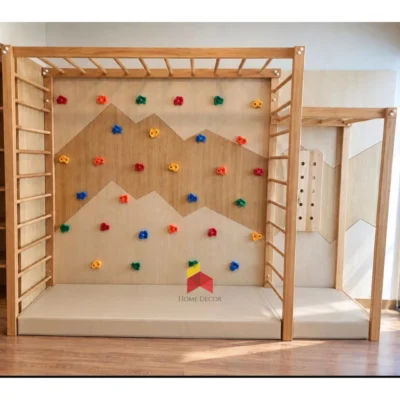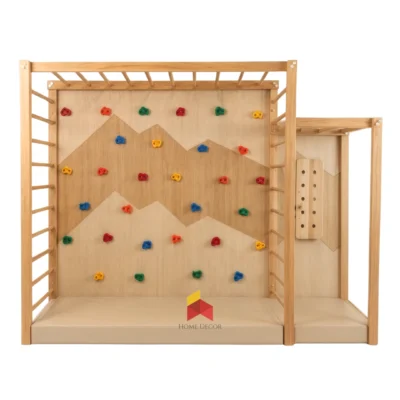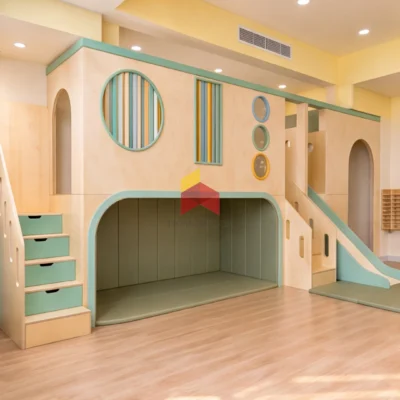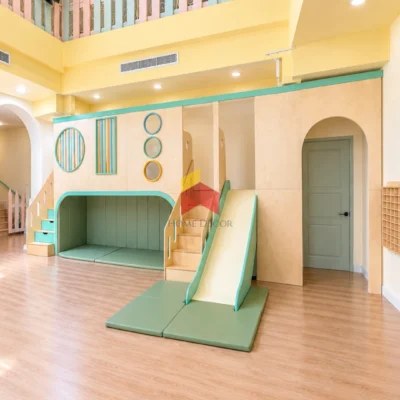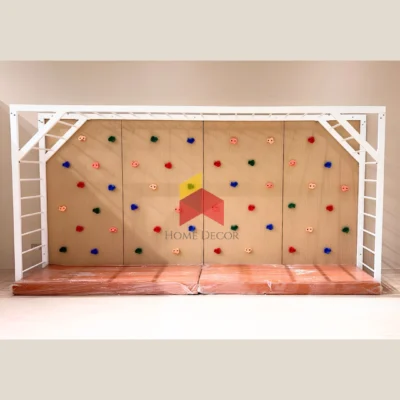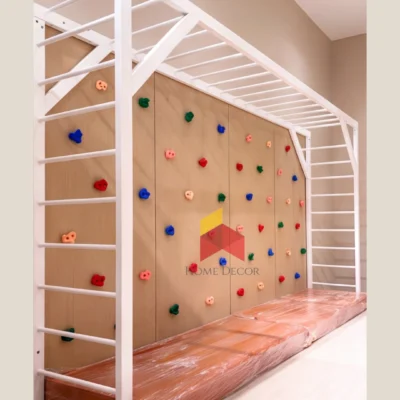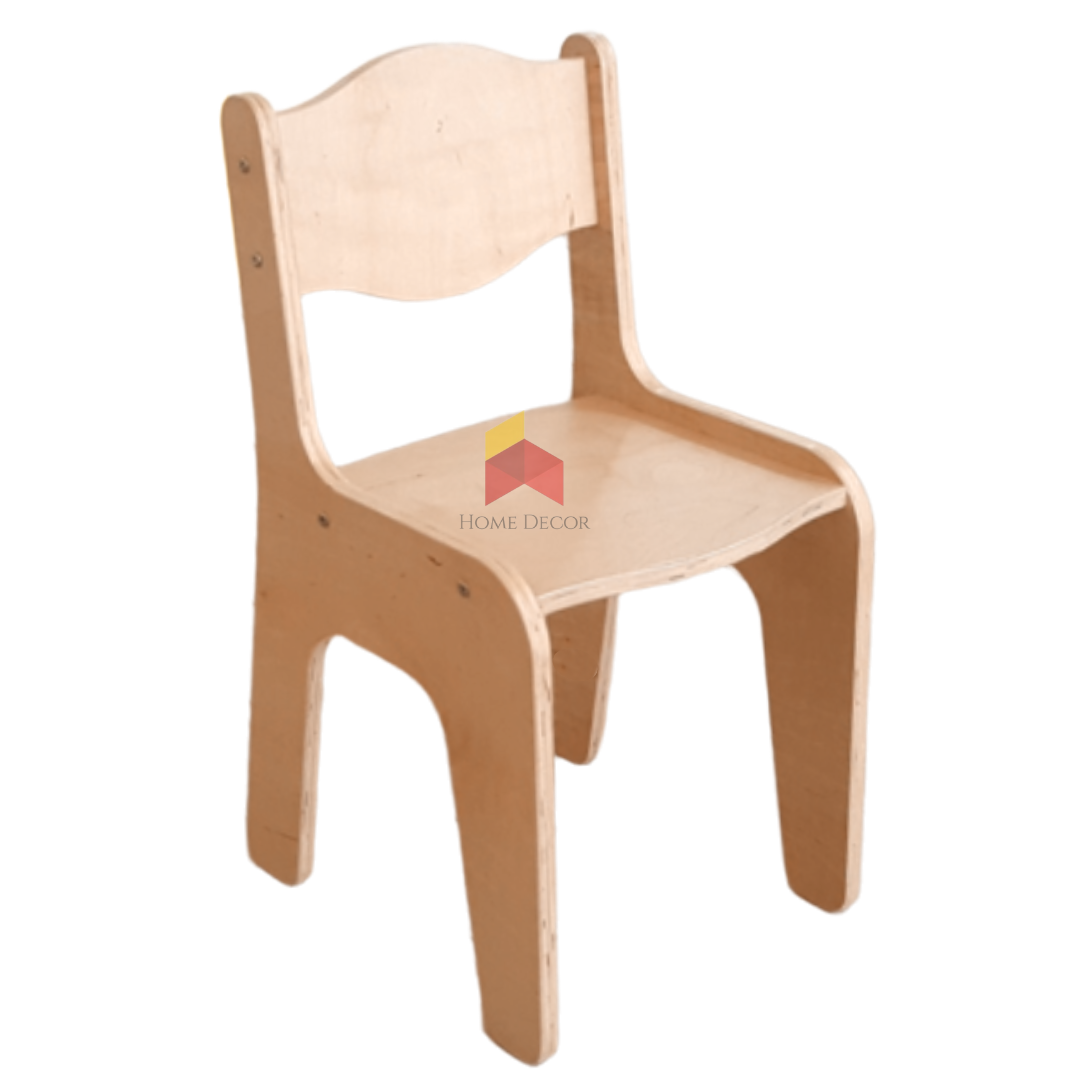
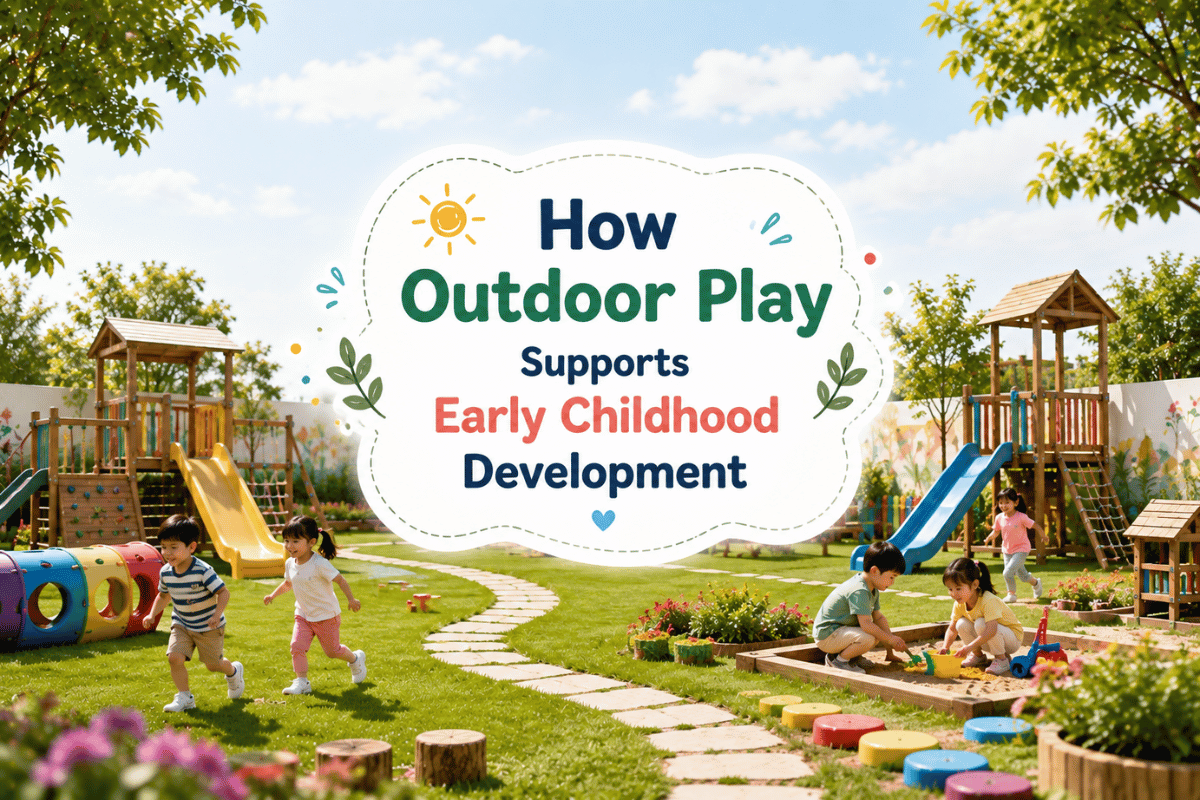
Outdoor play is more than a way for children to burn off extra energy. How Outdoor Play Supports Early Childhood Development is closely connected to the way young children build physical skills, explore their surroundings, interact with others, and develop confidence.
For preschoolers especially, outdoor spaces create opportunities for running, climbing, balancing, jumping, exploring nature, and playing with friends. These simple experiences can support several areas of development at the same time.
A well-designed outdoor play area can therefore become much more than a playground. It can become an everyday learning environment where children move, discover, make choices, and learn through play.
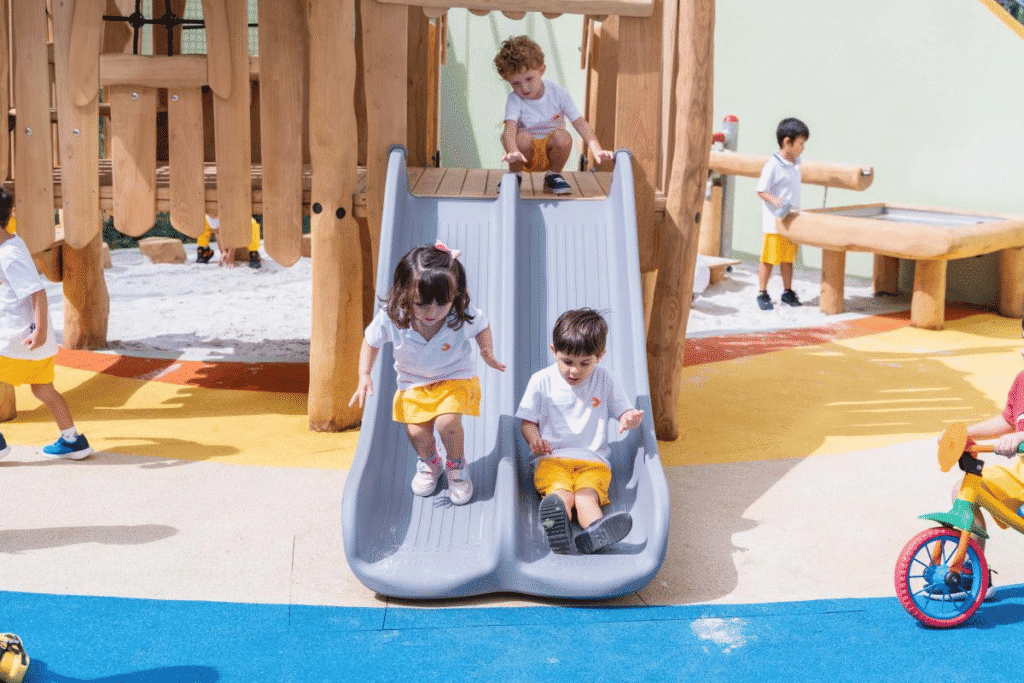
How Outdoor Play Supports Early Childhood Development
Outdoor play gives children something that indoor activities cannot always provide: space to move freely and learn through physical experience.
When children run across a playground, climb a structure, balance on a beam, or jump between stepping stones, they are developing more than physical strength. They are learning how to control their bodies, judge distance, solve small problems, and make decisions.
Outdoor play can support:
- Gross motor development
- Balance and coordination
- Strength and physical confidence
- Creativity and imagination
- Problem-solving skills
- Social interaction
- Communication and teamwork
- Independence and confidence
- Focus and curiosity
- Connection with nature
This makes outdoor play particularly valuable during the early childhood years when children are constantly learning through movement and exploration.
1. Outdoor Play Builds Gross Motor Skills
Young children need regular opportunities to use the large muscles in their arms, legs, back, and core.
Outdoor playground equipment naturally encourages this type of movement. Children can climb, crawl, swing, jump, run, and balance while playing.
For example:
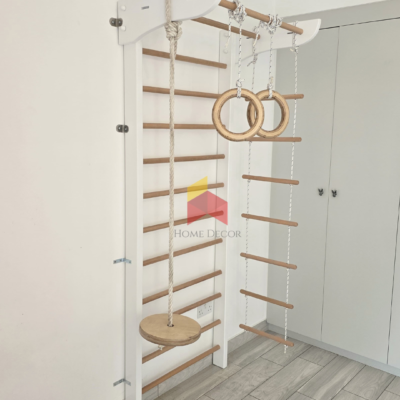
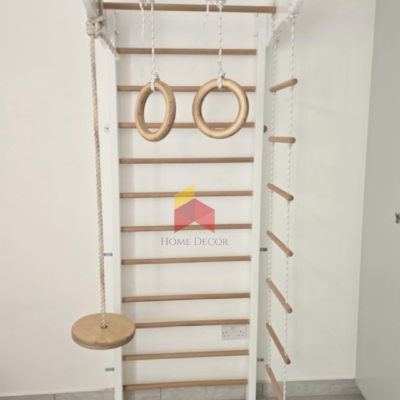
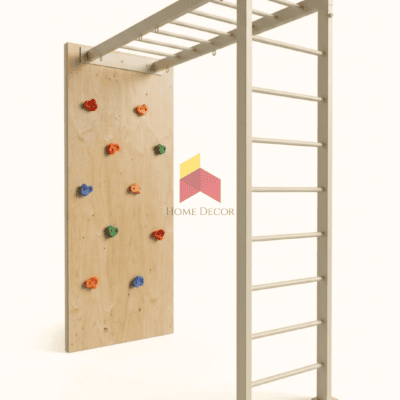
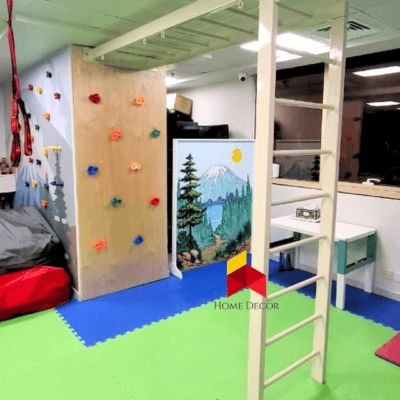
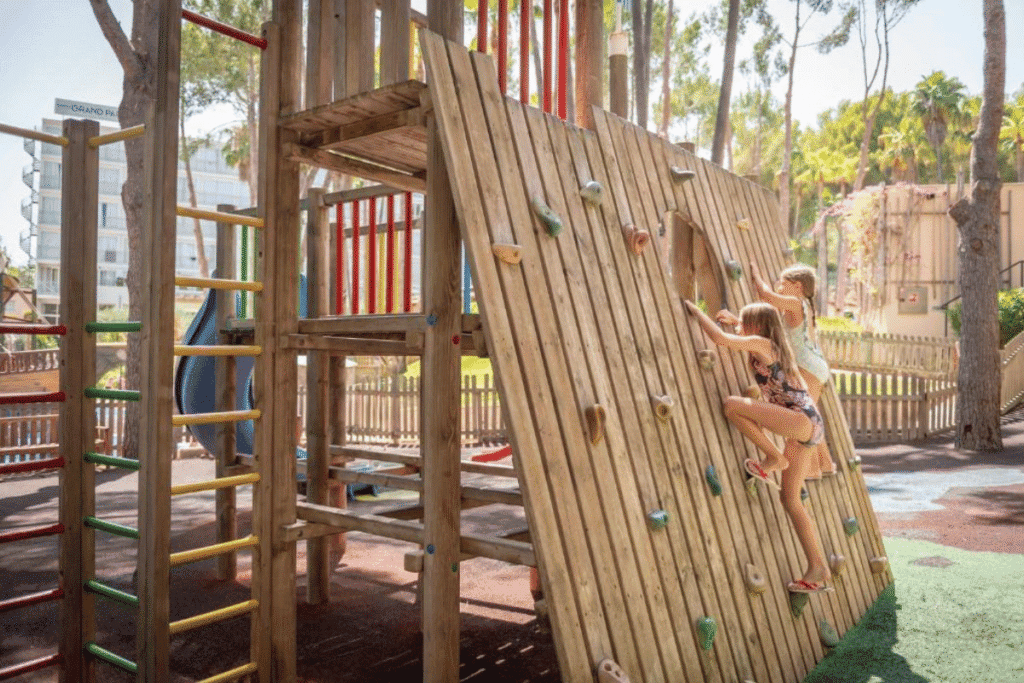
- Climbing helps children practise body control and coordination.
- Running develops movement and stamina.
- Jumping encourages balance and landing control.
- Balancing activities improve stability.
- Swinging involves coordination and body awareness.
- Crawling through tunnels encourages whole-body movement.
These activities can gradually help children become more confident in how they move.
2. It Improves Balance and Coordination
Balance and coordination are important skills that children use every day.
A child walking across a balance beam has to control their body while looking ahead. A child climbing a ladder needs to coordinate their hands and feet. Even stepping from one platform to another requires children to judge distance and adjust their movements.
These small challenges make outdoor playgrounds useful spaces for practising coordination through natural play rather than formal exercises.
Why movement challenges matter
Children learn through repetition. When they try an activity several times, they begin to understand:
- Where to place their hands and feet
- How much force to use
- How to maintain balance
- When to slow down
- How to change their movement when something does not work
The child may simply think they are playing, but they are also practising important physical skills.
3. Outdoor Play Encourages Problem-Solving
A playground can become a small problem-solving environment.
Imagine a child trying to reach the top of a climbing structure. They need to decide which step to use, where to place their hands, and how to move their body safely.
Another child might create a new game using a slide, tunnel, or stepping stones.
These situations encourage children to think independently and make simple decisions.
Outdoor play can encourage children to ask:
- How can I get across?
- Which step should I use next?
- Can I climb this way?
- What happens if I try another route?
- How can I play this game with my friend?
These experiences support curiosity and flexible thinking.
4. It Supports Creativity and Imaginative Play
One of the biggest advantages of outdoor play is that children do not always need complicated toys to create a game.
A climbing structure can become a mountain.
A small tunnel can become a secret cave.
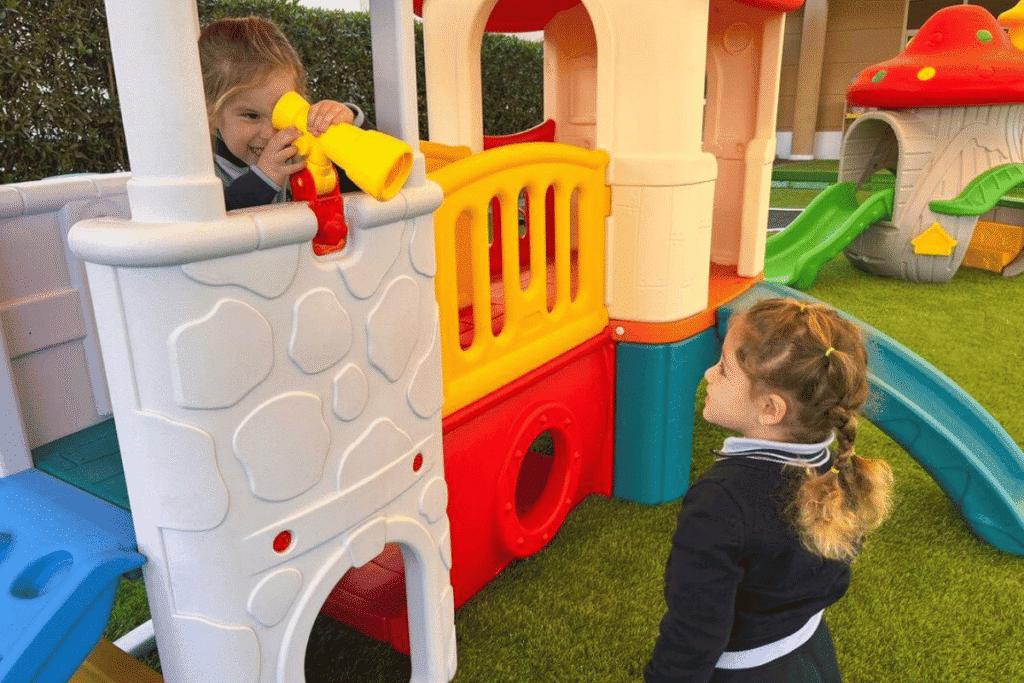
A playhouse can become a shop, classroom, or home.
A group of children can turn a simple outdoor space into an imaginary world.
This type of open-ended play gives children freedom to create their own stories and games rather than simply following instructions.
5. Outdoor Play Helps Children Build Confidence
Every new physical challenge can give a child a small sense of achievement.
A child who was initially afraid to climb may eventually reach the top of a low climbing structure. Another child may learn to cross a balance beam without help.
These small achievements can build confidence.
Instead of an adult completing every challenge for them, children get opportunities to practise, make mistakes, try again, and experience success.
Small achievements can lead to bigger confidence
Outdoor play allows children to gradually challenge themselves at their own pace.
They may start by:
- Watching another child.
- Trying the easiest part of the activity.
- Repeating the movement.
- Attempting something slightly more difficult.
- Completing the challenge independently.
This process can encourage independence and resilience.
6. It Supports Social Skills and Teamwork
Outdoor playgrounds are also social environments.
When children play together, they learn how to communicate, share equipment, wait for their turn, and cooperate with others.
For example, children may need to decide who goes first on a slide or work together to create a pretend game.
These everyday interactions provide opportunities to practise important social behaviours.
Outdoor group play can encourage children to:
- Share
- Take turns
- Listen to others
- Communicate ideas
- Cooperate
- Solve small disagreements
- Help friends
- Understand different perspectives
These skills are an important part of early childhood development.
7. Outdoor Play Can Support Emotional Well-Being
Children experience many emotions during play.
They may feel excited when they climb higher, frustrated when they cannot complete an activity, or proud when they finally succeed.
Outdoor play gives children opportunities to experience these emotions in a practical setting.
Instead of avoiding every challenge, children can learn to pause, try again, ask for help, or choose a different activity.
Being outdoors can also give children more physical space to move freely and take a break from quieter indoor routines.
8. Nature Adds Another Layer of Learning
Outdoor play does not have to be limited to playground equipment.
Adding plants, trees, sand, water, stones, or natural textures can create more opportunities for exploration.
Children may notice:
- Different leaves
- Insects
- Flowers
- Soil and sand
- Water movement
- Shadows
- Weather changes
- Different textures
These experiences can encourage observation and curiosity.
A preschool outdoor area can therefore work like an informal classroom where children learn through direct interaction with their surroundings.
9. Outdoor Play Encourages Independent Exploration
Children do not always need an adult to tell them exactly what to do.
A thoughtfully designed outdoor play area can give children choices.
One child may want to climb.
Another may prefer sand play.
Someone else may want to run or explore a garden area.
This freedom allows children to follow their interests while learning how to make simple decisions.
For preschool environments, creating different activity zones can make this even easier.
Useful outdoor activity zones can include:
| Play Zone | Possible Activities | Skills Supported |
|---|---|---|
| Climbing Zone | Ladders, climbing frames | Strength, coordination |
| Balance Zone | Beams, stepping stones | Balance, body control |
| Creative Zone | Sand, water, loose materials | Creativity, sensory exploration |
| Nature Zone | Plants, garden, natural objects | Observation, curiosity |
| Social Zone | Playhouse, group games | Communication, teamwork |
| Quiet Zone | Seating, shaded areas | Rest, observation, calm play |
10. Outdoor Play Can Improve Focus Through Active Learning
Children often need opportunities to move between periods of quiet and active learning.
Outdoor play provides a change of environment and gives children opportunities to use their bodies while exploring.
For example, a teacher might combine outdoor movement with simple learning activities:
- Counting stepping stones
- Finding objects by colour
- Identifying leaves
- Measuring water
- Sorting natural objects
- Looking for shapes
- Creating simple obstacle courses
This turns outdoor play into an opportunity for both physical activity and learning.
11. It Encourages Healthy Risk-Taking
Children naturally want to test what they can do.
A safe outdoor playground can provide age-appropriate challenges without removing every opportunity for children to make decisions.
For example, a child may decide whether they are ready to climb a little higher or try a new balance activity.
The goal is not to create unnecessary danger. Instead, the play environment should provide manageable challenges with appropriate safety measures and adult supervision.
When children successfully handle small challenges, they can develop greater confidence in their own abilities.
12. Outdoor Play Supports Communication
Children often talk more naturally while playing.
They might explain the rules of a game, ask another child for help, describe what they have found, or create a story around their play.
This gives children opportunities to practise language in real situations.
Outdoor play can therefore combine movement with communication.
For preschool teachers, simple prompts can make these experiences even richer:
“What do you think is behind the tunnel?”
“How can we get across without touching the ground?”
“What did you find in the garden?”
“Can you show your friend how to do it?”
These questions encourage children to explain, think, and communicate.
13. Outdoor Play Helps Children Learn Through Their Senses
Outdoor environments provide many different sensory experiences.
Children can feel grass, sand, wood, and water. They can hear birds, wind, and other children playing. They can observe colours, movement, shadows, and changing weather.
A sensory-rich environment can make play more engaging and give children opportunities to explore at their own pace.
This is one reason natural materials and varied outdoor activity areas can be valuable additions to preschool playground design.
14. Outdoor Play Works for Different Learning Styles
Not every child enjoys the same type of activity.
Some children love climbing and running. Others prefer quiet exploration, imaginative play, or sensory activities.
A good outdoor playground can offer different ways to participate.
For example:
- Active children can use climbing and running areas.
- Curious children can explore nature.
- Creative children can use open-ended play spaces.
- Social children can enjoy group activities.
- Children who prefer quieter activities can use shaded or calm areas.
Providing different options makes the outdoor environment more inclusive and engaging.
15. A Well-Designed Playground Becomes a Learning Environment
The best preschool playgrounds are not simply collections of slides and swings.
They are designed to encourage children to move, explore, communicate, imagine, and learn.
A thoughtfully planned outdoor space can combine:
- Climbing equipment
- Slides
- Balance beams
- Stepping stones
- Tunnels
- Sand areas
- Nature spaces
- Shaded seating
- Open movement areas
- Quiet corners
How Preschools Can Create Better Outdoor Play Spaces
Creating an effective outdoor playground does not always mean having the biggest possible space.
Instead, focus on how the available area can be used.
1. Create different activity areas
Separate climbing, creative, sensory, and quiet activities where possible.
2. Include different levels of challenge
Children develop at different rates, so include equipment that offers easier and more challenging activities.
3. Leave space for free movement
Not every part of the playground needs equipment. Open space allows children to run, play games, and create their own activities.
4. Add natural elements
Plants, trees, sand, water, and natural materials can make the environment more interesting.
5. Prioritise safety
Use age-appropriate equipment, suitable impact-absorbing surfaces, secure installation, regular inspections, and active supervision.
Outdoor Play and Early Childhood Development: The Bigger Picture
When we look at how outdoor play supports early childhood development, the biggest benefit is not just one physical skill or one learning outcome.
It is the combination.
A child climbing a structure may be developing strength and coordination.
At the same time, they may be solving a problem.
If another child joins them, they are also communicating and learning to cooperate.
If they reach the top after several attempts, they may experience a sense of achievement.
This is what makes outdoor play so valuable: one simple play experience can support several areas of development at once.
Frequently Asked Questions
How does outdoor play support early childhood development?
Outdoor play gives children opportunities to move, explore, communicate, solve problems, and interact with their environment. Activities such as climbing, running, balancing, and imaginative play can support physical, cognitive, social, and emotional development.
What outdoor activities are best for preschool children?
Preschool children can enjoy climbing, sliding, balancing, running games, sand and water play, nature exploration, obstacle courses, and imaginative group activities. The best choices depend on the children’s ages, abilities, available space, and safety requirements.
Does outdoor play improve children’s social skills?
Outdoor play can provide many opportunities for children to communicate, share, take turns, cooperate, and solve small disagreements with peers.
Why is climbing useful for preschool children?
Climbing can encourage gross motor development, balance, coordination, strength, body awareness, and confidence. Age-appropriate climbing equipment should always be properly installed and used with suitable supervision.
How can a small preschool create an outdoor play area?
A small space can still include vertical climbing equipment, compact balance activities, sensory areas, natural elements, and open space for movement. The key is to use the available space thoughtfully rather than trying to fit too much equipment into one area.
Is outdoor play only important for physical development?
No. Outdoor play can support physical development as well as creativity, problem-solving, communication, social interaction, confidence, independence, and exploration.
Final Thoughts
How Outdoor Play Supports Early Childhood Development becomes clear when we look at what children actually do while they are outside. They are not simply running around. They are climbing, balancing, communicating, exploring, making decisions, creating games, and learning from small challenges.
For preschools, a thoughtfully designed outdoor play area can become an extension of the classroom. With a combination of physical equipment, natural elements, open space, and age-appropriate challenges, children can learn through movement and everyday play.
The goal is not to create the most complicated playground. It is to create a space where children feel encouraged to move, explore, imagine, and grow.