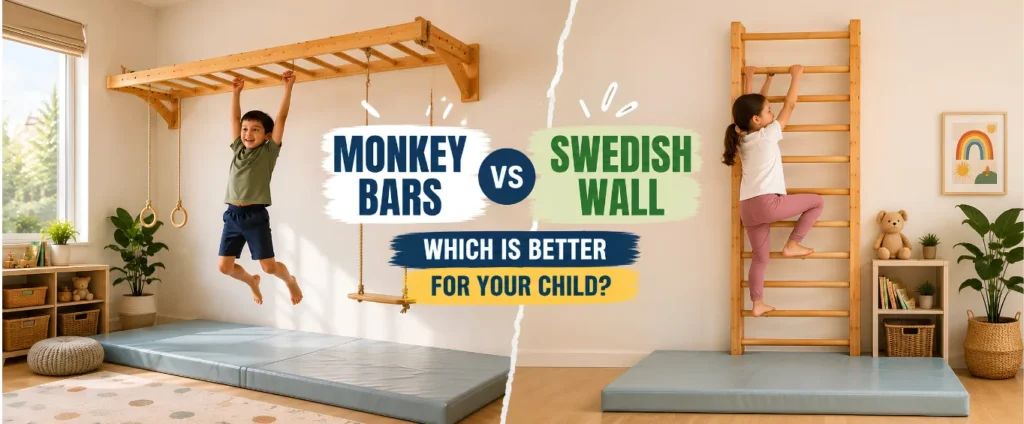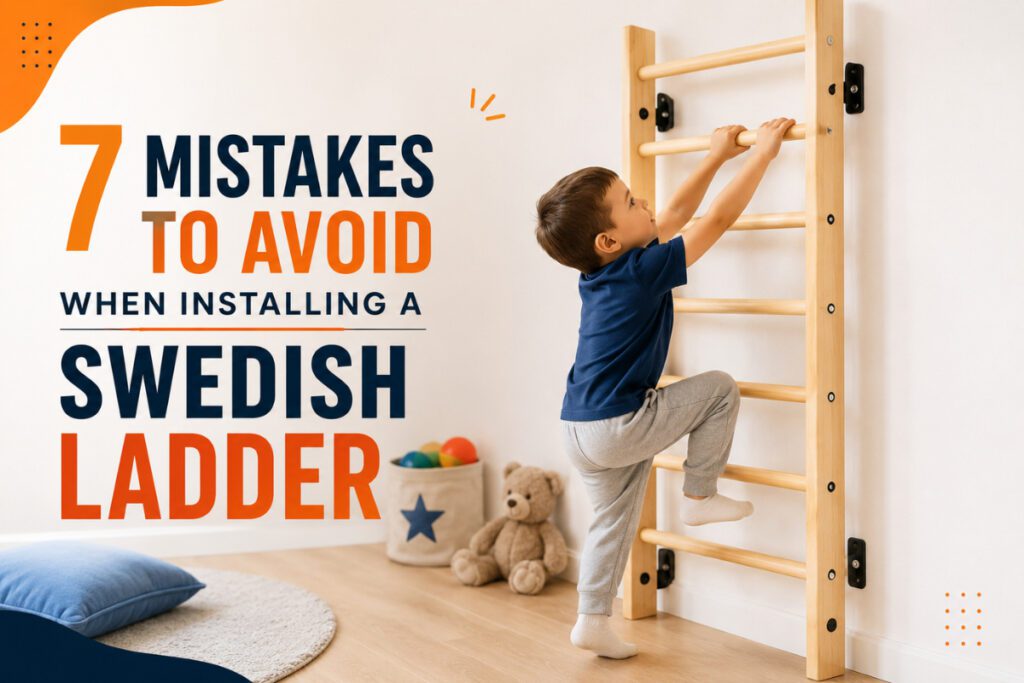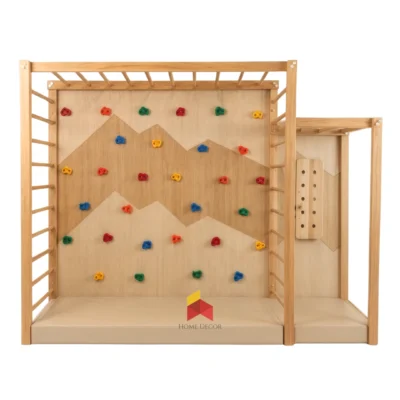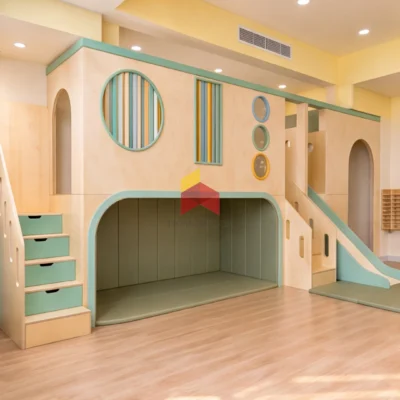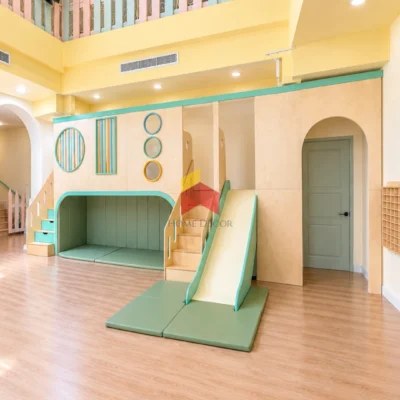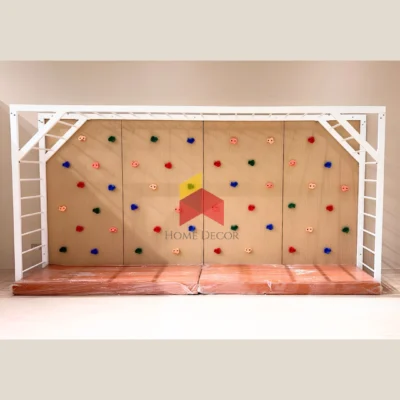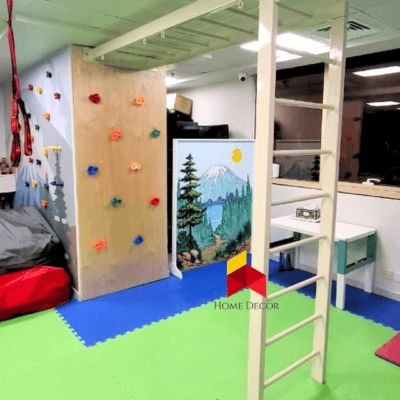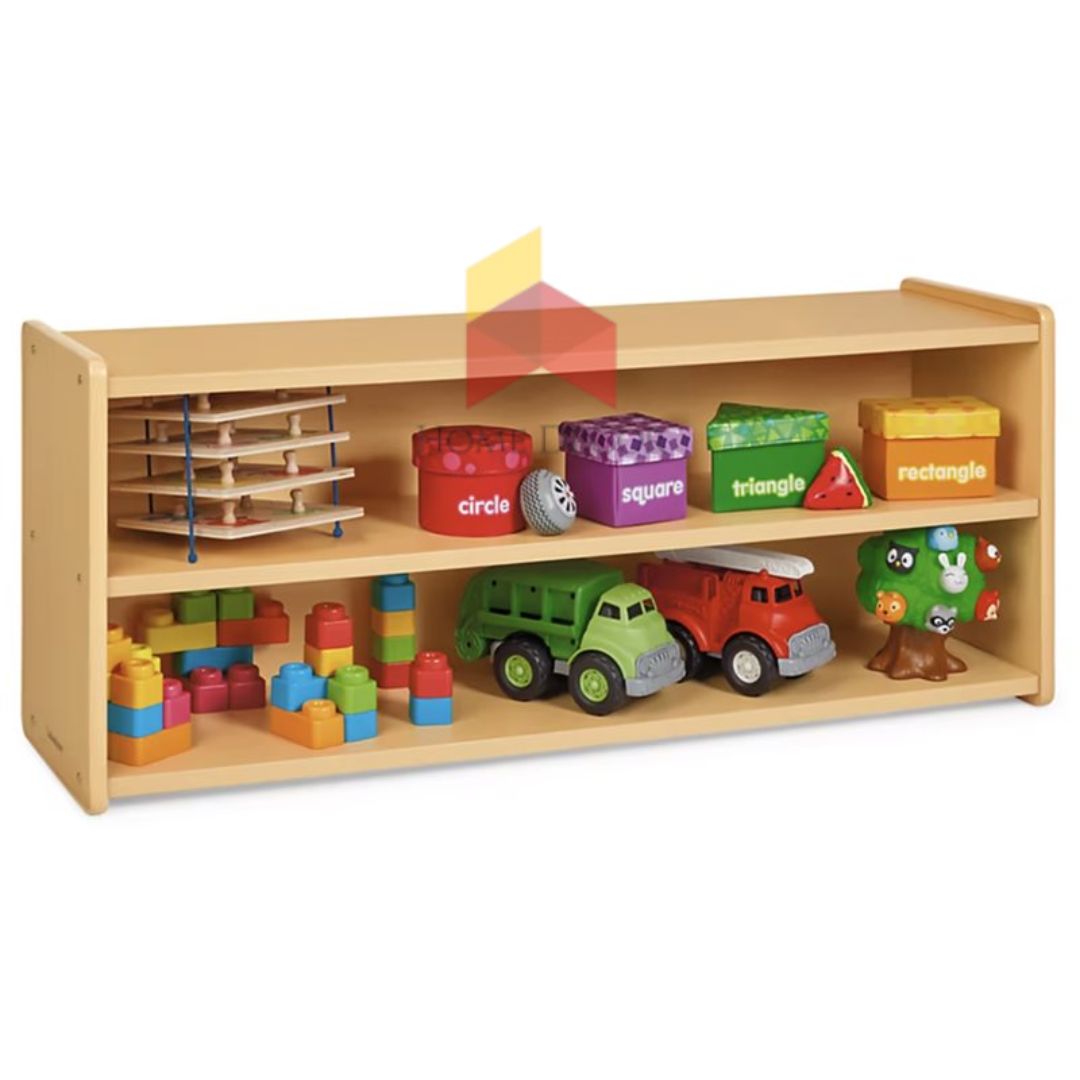
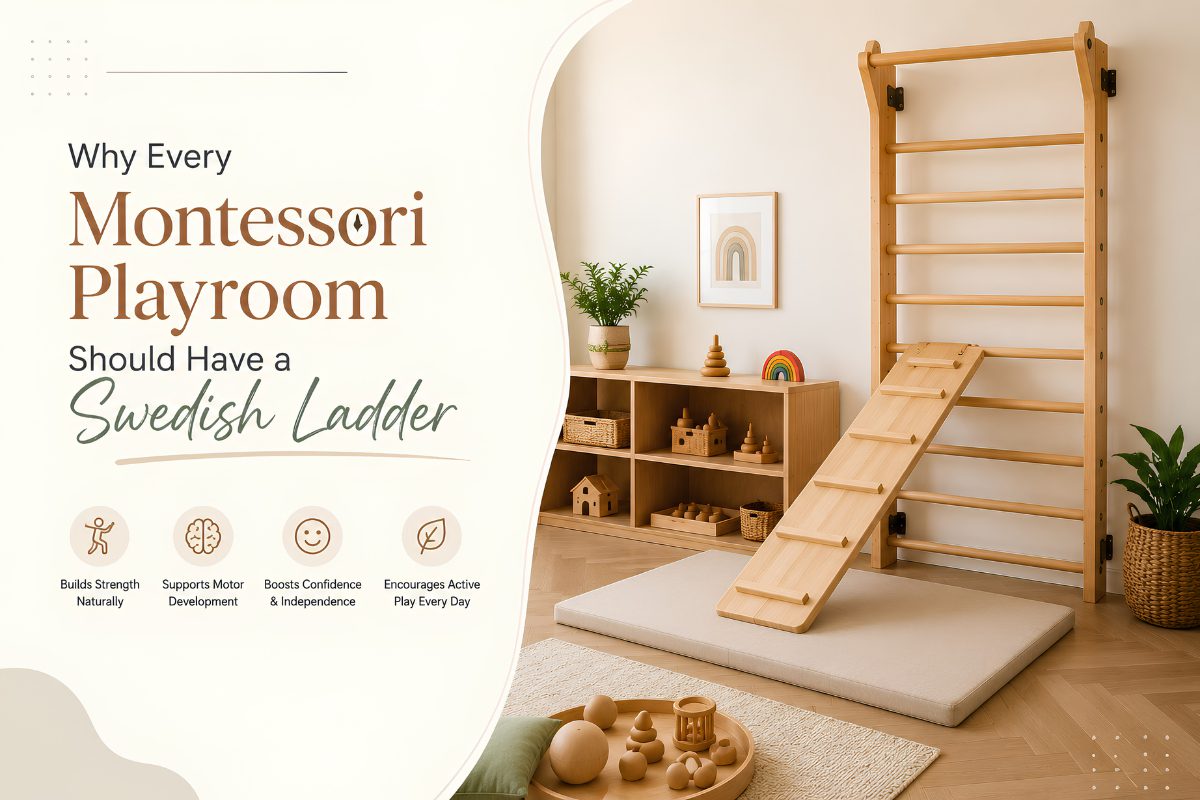
Why Every Montessori Playroom Should Have a Swedish Ladder is a question many parents ask when planning a play space that supports both independent play and physical development. A Montessori playroom is not only about toys, shelves, and beautiful furniture. It should also give children opportunities to move, explore, make choices, and learn through their own actions.
A Swedish ladder can add a simple movement element without taking over the entire room. Children can climb, reach, stretch, balance, and practice different movements while using a piece of equipment that makes good use of vertical wall space.
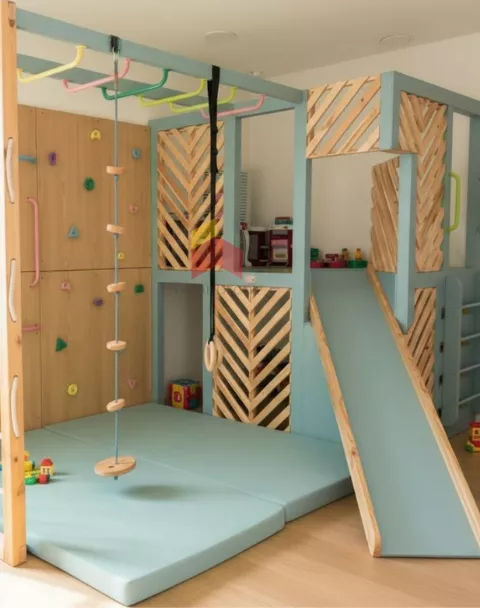
For families looking to create a more active home environment, a Swedish ladder can work alongside other indoor play equipment to create a balanced space where children can switch between physical activity, creative play, reading, and quiet activities.
What Makes a Swedish Ladder Suitable for a Montessori Playroom?
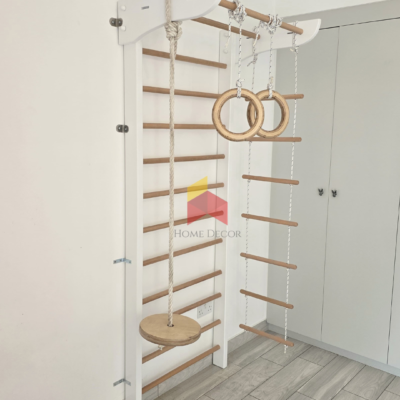
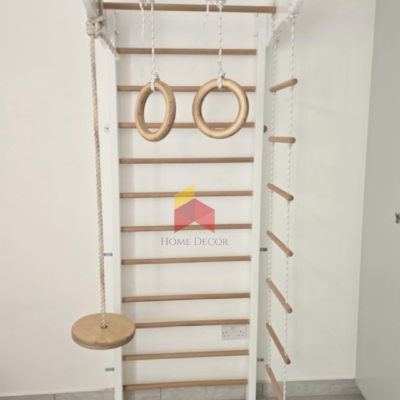
A Swedish ladder, also called a Swedish wall or stall bar, is a vertical climbing structure with horizontal wooden or metal rungs. Unlike large play structures that require considerable floor space, it uses the wall as the main part of the setup.
This makes it especially useful in children’s bedrooms, playrooms, classrooms, and smaller homes.
The Montessori approach places importance on independence and allowing children to interact with their surroundings. A climbing structure can support this idea when it is selected, installed, and used according to the child’s age and abilities.
| Montessori Playroom Need | How a Swedish Ladder Can Help |
|---|---|
| Movement | Gives children a place to climb, stretch, and move |
| Independence | Allows children to practise age-appropriate movements |
| Coordination | Encourages hands, arms, legs, and eyes to work together |
| Balance | Gives children opportunities to control body position |
| Exploration | Offers different ways to interact with the same equipment |
| Space efficiency | Uses vertical wall space instead of a large floor area |
If you are planning a complete playroom, you can also explore our guide to Montessori Play Setup for ideas on combining movement areas with practical play zones.
1. It Encourages Active Play Every Day
Children naturally want to climb, reach, pull, hang, and explore. A Swedish ladder gives them a dedicated place to practise these movements indoors.
Instead of waiting for a trip to the playground, children can have an opportunity to move during everyday playtime. This can be particularly useful for families who have limited outdoor space or prefer having an indoor activity area at home.
Simple activities may include:
- Climbing up and down the rungs
- Holding onto a rung while stretching
- Reaching for different heights
- Practising controlled movements
- Moving between the ladder and other play equipment
- Using accessories designed for compatible wall bars
The goal is not to turn every play session into structured exercise. The ladder works best when children can explore it naturally within a safe and supervised environment.
2. It Supports Gross Motor Development
Climbing requires children to coordinate several parts of the body at the same time. They need to grip with their hands, position their feet, shift their weight, and decide where to move next.
These actions involve gross motor skills and body control.
A child who climbs a few rungs and comes back down is already practising movement planning. As confidence increases, they may start experimenting with different ways to reach the same position.
This is one reason a Swedish ladder for kids can be a useful addition to an active playroom.
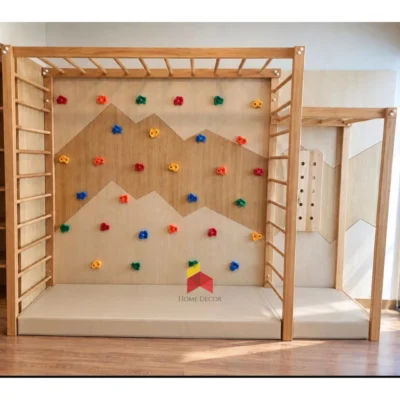
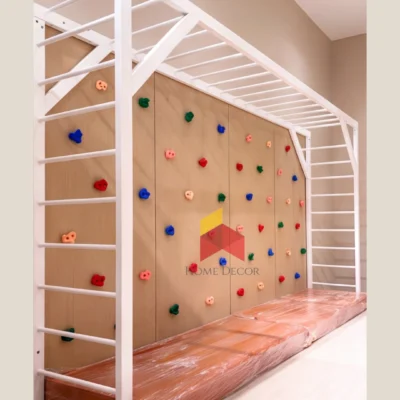
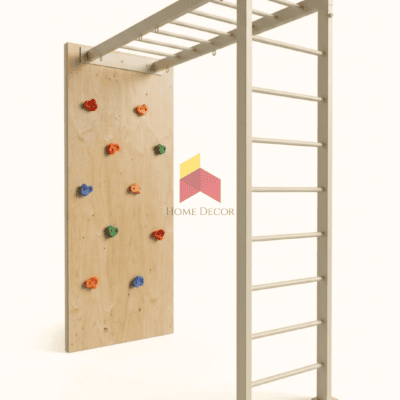
For parents interested in other climbing activities, our guide on Climbing Walls for Kids explains how climbing-based equipment can be incorporated into children’s spaces.
3. It Gives Children a Chance to Build Confidence
A new climbing challenge can look difficult at first. A child may only reach the first few rungs, stop, come back down, and try again later.
That process matters.
When children gradually learn how to control their movements, they can experience the satisfaction of completing something they previously found difficult. Parents do not need to push them to climb higher. Allowing children to progress at a comfortable pace keeps the experience positive.
Small achievements can include:
- Reaching a higher rung
- Climbing without help
- Holding a position for longer
- Moving down carefully
- Trying a new age-appropriate activity
A Montessori playroom should give children room to practise skills without making every activity feel like a test. A Swedish ladder fits naturally into that idea.
4. It Makes Better Use of Small Playrooms
Floor space is one of the biggest challenges when designing a children’s room.
A large climbing structure can make a small room feel crowded. A wall-mounted Swedish ladder works differently because most of the structure remains against the wall.
This leaves more room for:
- A reading corner
- Children’s tables and chairs
- Storage shelves
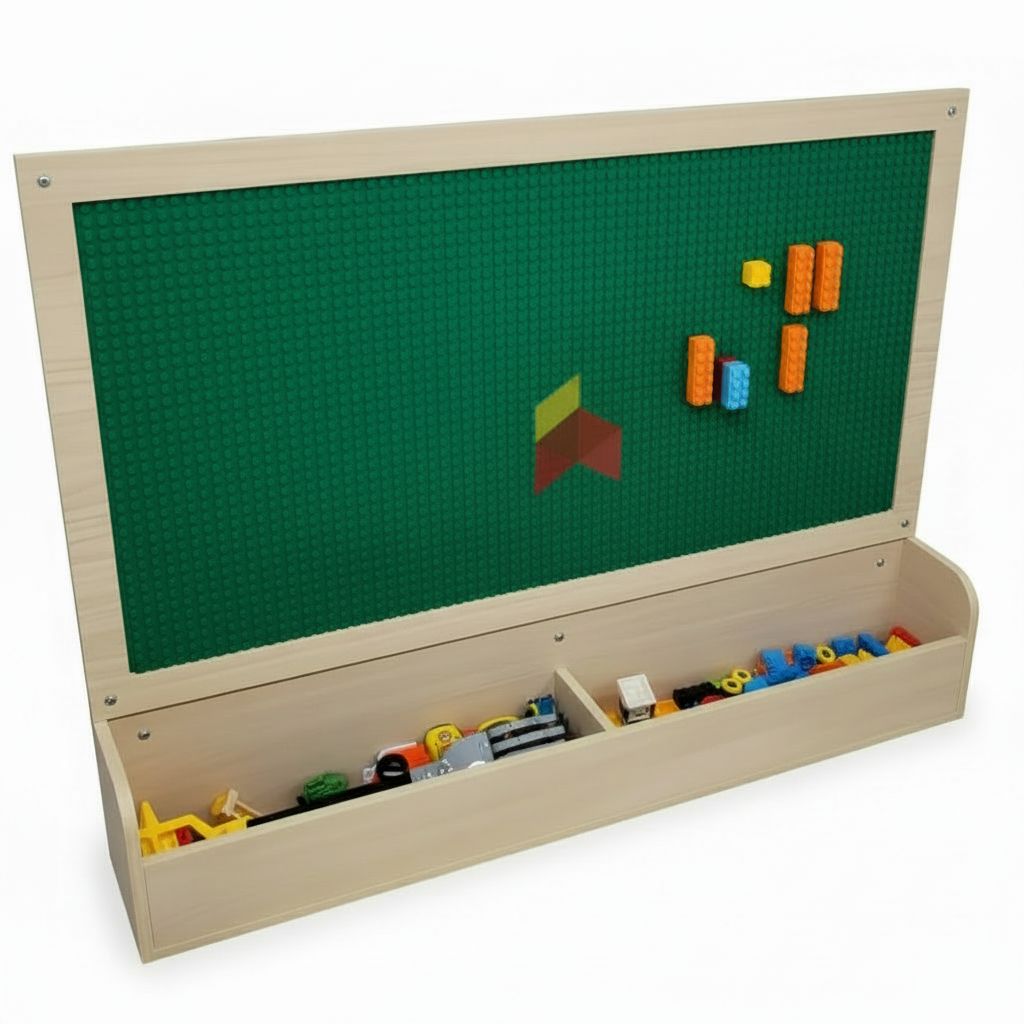
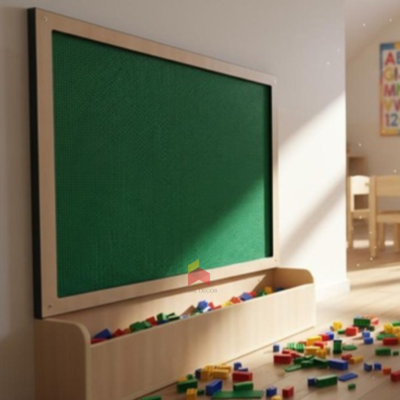
- Building activities
- Art supplies
- Soft play
- Open floor play
For more ideas on using limited space, take a look at Small Space Kids Room Ideas.
Swedish Ladder vs Large Floor Play Equipment
| Feature | Swedish Ladder | Large Floor Play Structure |
|---|---|---|
| Floor space | Low | Medium to high |
| Main movement | Climbing, reaching, stretching | Climbing, crawling, sliding |
| Storage impact | Low | Can be higher |
| Suitable for small rooms | Often yes | Depends on size |
| Wall installation | Usually required | Usually not |
| Play possibilities | Can expand with accessories | Depends on design |
The right option depends on the room size, child’s age, equipment specifications, and installation requirements.
5. It Can Encourage Independent Exploration
One of the strongest reasons to consider a Montessori playroom Swedish ladder is the opportunity for children to explore movement at their own pace.
A child may use the ladder differently from one day to the next. One day they might climb a few rungs. Another day they might practise reaching or stretching. With suitable accessories, the same setup can offer additional activities as children grow.
Parents can support this by keeping the surrounding area organised and allowing enough open space for movement.
The idea is simple: provide an interesting environment, establish clear safety boundaries, and allow children to discover what they can do.
6. It Adds Physical Play Without Taking Over the Room
A playroom does not need to look like a gym.
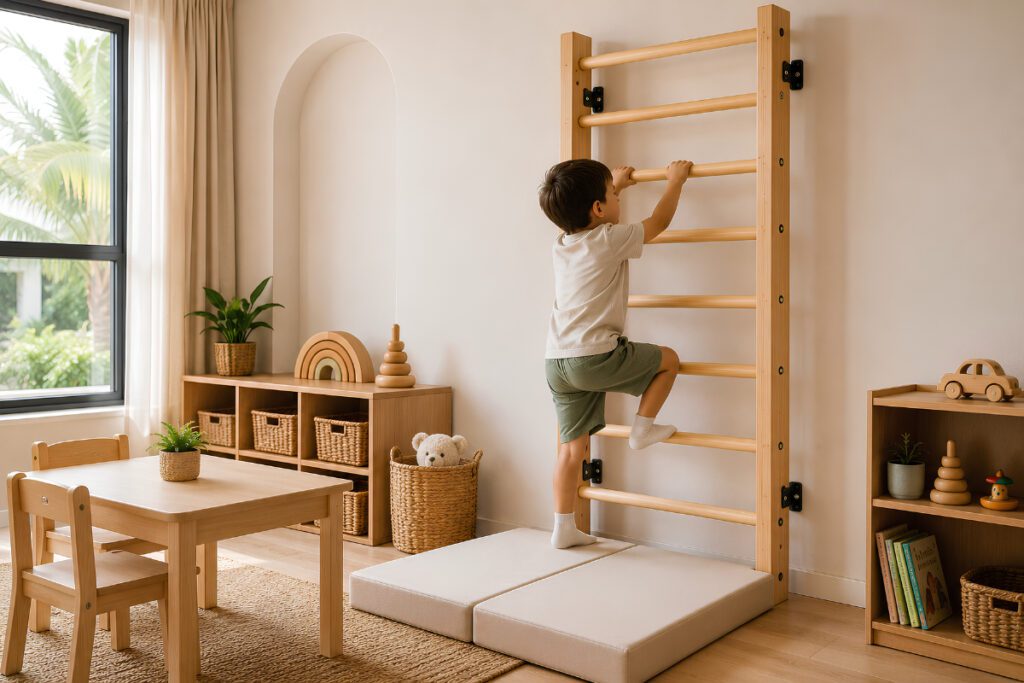
This is another advantage of a well-designed Swedish ladder. Wooden wall bars can have a simple appearance that works with children’s furniture, shelves, storage, and neutral room designs.
7. It Can Complement Other Montessori Activities
A good playroom usually has more than one type of activity.
Children may move from climbing to drawing, then from building blocks to reading. This variety allows the room to support different interests throughout the day.
A Swedish ladder can become the active zone while another part of the room is used for quiet activities.
For example:
Movement Zone: Swedish ladder, climbing equipment, soft mat
Creative Zone: Art table, paper, crayons, craft materials
Reading Zone: Bookshelf, cushions, comfortable seating
Practical Zone: Storage, child-sized furniture, accessible shelves
If you are planning several areas in the same room, our article on Indoor Playroom Ideas can help you think about the layout.
8. It Can Grow With the Child
A well-designed playroom should not become useless after a few months.
The advantage of a versatile climbing structure is that the way children use it can change as they become more confident.
Younger children may focus on simple climbing and reaching. Older children may become interested in more challenging movements or compatible accessories.
However, age recommendations and manufacturer instructions should always be followed. Parents should never encourage a child to perform a movement simply because an older child can do it.
Safety Should Come Before Play
A Swedish ladder is only a good addition to a Montessori playroom when it is installed and used safely.
Before purchasing or installing one, check:
- The wall construction
- The manufacturer’s installation requirements
- The recommended age range
- Maximum user weight
- Rung spacing
- Mounting hardware
- Safety mat requirements
- Available clearance around the equipment
Do not install a wall-mounted climbing structure into drywall alone unless the manufacturer’s installation system specifically supports that application. The mounting method must match the wall structure and the equipment specifications.
If you are planning a new play area, our guide to Safe Kids Play Area Design is also useful for thinking about flooring, furniture placement, and safety zones.
A Simple Safety Checklist
Before allowing children to use the ladder, check:
- Is the equipment securely mounted?
- Are all screws, bolts, and connections tight?
- Is there suitable protective flooring underneath?
- Is the area free from sharp furniture?
- Is the equipment appropriate for the child’s age and ability?
- Are children supervised according to their age and the manufacturer’s guidance?
- Are there any damaged, loose, or worn components?
Regular checks are important because climbing equipment experiences repeated movement over time.
How to Choose a Swedish Ladder for a Montessori Playroom
Not every Swedish ladder is the same. Before buying one, look beyond appearance.
| What to Check | Why It Matters |
|---|---|
| Material quality | Affects durability and everyday use |
| Surface finish | Should be smooth and comfortable to touch |
| Rung design | Important for children’s grip |
| Mounting system | Determines how the equipment is secured |
| Weight capacity | Helps match the product to intended users |
| Size | Must suit the available wall and floor area |
| Accessories | Can expand play possibilities |
| Safety information | Helps parents use the product correctly |
For families planning a larger movement area, combining a Swedish ladder with suitable indoor play equipment can create a more flexible play environment.
Can a Swedish Ladder Fit Into a Modern Home?
Yes, especially when the design is planned around the existing room.
A natural wood Swedish ladder can work well with neutral furniture and Montessori-inspired interiors. Instead of making the climbing equipment the only feature in the room, you can treat it as one part of the overall design.
A simple layout might look like this:
Wall 1: Swedish ladder and safety mat
Wall 2: Open shelving and books
Corner: Children’s table and chairs
Centre: Open floor for movement and play
Keeping the centre of the room open also gives children space to move between different activities.
Swedish Ladder Activities Children Can Try
The equipment does not need to be used in the same way every day.
Depending on the child’s age and ability, supervised activities may include:
- Simple climbing
- Reaching exercises
- Controlled stepping
- Stretching
- Holding a comfortable position
- Moving up and down selected rungs
- Using compatible climbing accessories
- Creating simple movement games
The best activities are those that match the child’s current ability rather than forcing them to perform advanced movements.
Why Parents Are Choosing More Active Playrooms
Children’s play spaces are changing. Instead of filling every corner with toys, many parents are creating rooms where children can move, make choices, and use their surroundings.
A Swedish ladder can be part of that change.
It does not replace outdoor play, free play, creative activities, or time with parents. Instead, it adds another opportunity for movement inside the home.
For UAE families, this can be especially useful when outdoor activity is less convenient during very hot weather. A thoughtfully designed indoor play area can give children another place to stay active throughout the year.
If you want to compare different options for an indoor movement area, you can also read Indoor Play Gym for Kids for more ideas.
Frequently Asked Questions
Is a Swedish ladder suitable for a Montessori playroom?
Yes. A Swedish ladder can complement a Montessori-inspired playroom by giving children an opportunity for movement, climbing, exploration, and age-appropriate physical challenges.
What are the benefits of a Swedish ladder for kids?
A Swedish ladder can support climbing practice, balance, coordination, grip development, body awareness, and confidence. It also provides an indoor movement option without requiring a large amount of floor space.
Does a Swedish ladder take up much space?
A wall-mounted Swedish ladder uses vertical wall space, so it generally requires less floor area than many large indoor climbing structures. However, you still need enough clear space around it for safe use.
Is a Swedish ladder safe for young children?
Safety depends on the product, installation, child’s age, and supervision. Always follow the manufacturer’s age, weight, installation, and usage instructions. A suitable safety mat and clear area around the equipment can provide additional protection.
Can a Swedish ladder be used with other Montessori equipment?
Yes. It can be combined with children’s tables, shelves, reading areas, soft play equipment, and other suitable movement equipment. The key is to keep different activity zones organised and maintain adequate clearance around climbing equipment.
What should I check before installing a Swedish ladder?
Check the wall structure, mounting requirements, product dimensions, weight capacity, installation hardware, recommended clearance, and flooring requirements. If you are unsure about the wall or installation, professional assistance is a sensible choice.
Final Thoughts
Why Every Montessori Playroom Should Have a Swedish Ladder comes down to one simple idea: children need opportunities to move as well as opportunities to sit and learn.
A Swedish ladder can turn an unused wall into an active part of the playroom while leaving valuable floor space available for books, toys, creative work, and free play. It can support climbing, coordination, balance, confidence, and independent exploration when used appropriately.
The best playroom is not necessarily the one with the most equipment. It is the one that gives children different ways to move, explore, create, and learn.
If you are building a complete children’s play area, explore Swedish Wall, Climbing Walls, and Indoor Play Equipment options from Kids Home Decor to create a space that balances active movement with everyday play.
Suggested Internal Links
Use these naturally within the article rather than placing them all together: