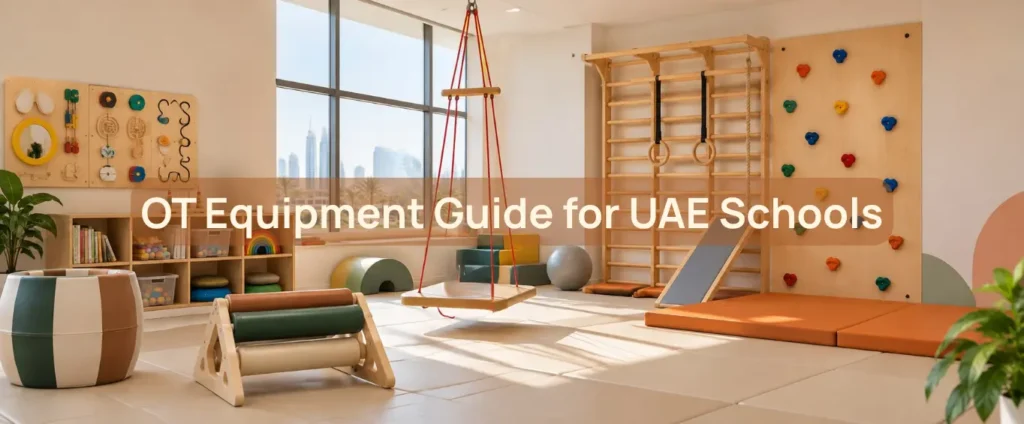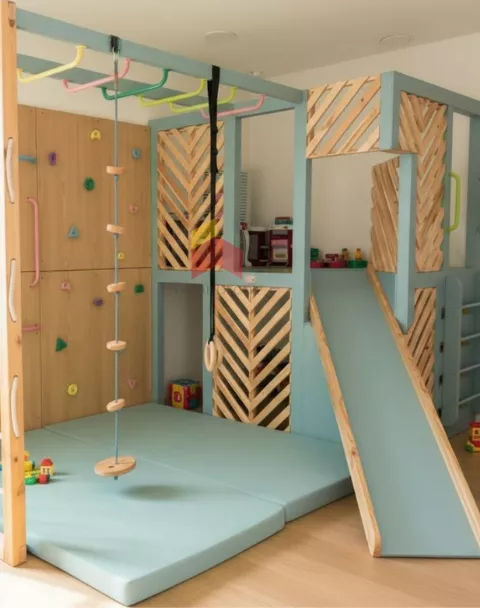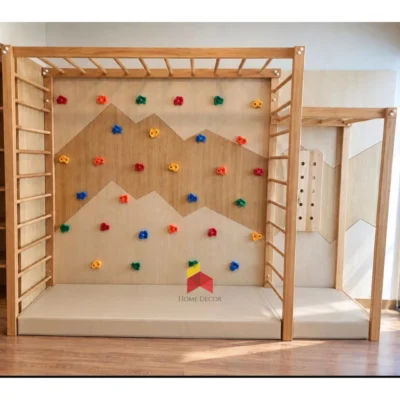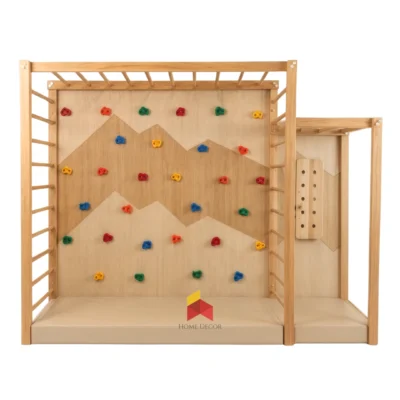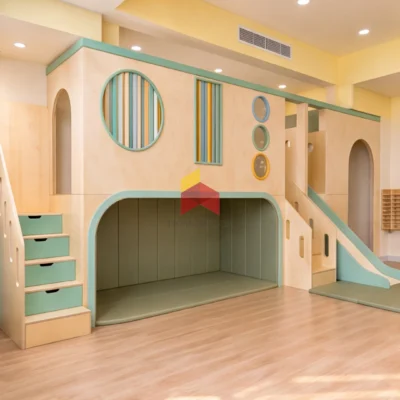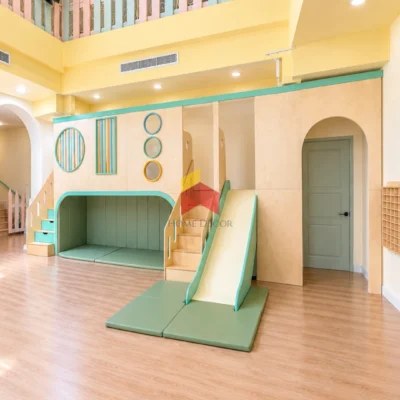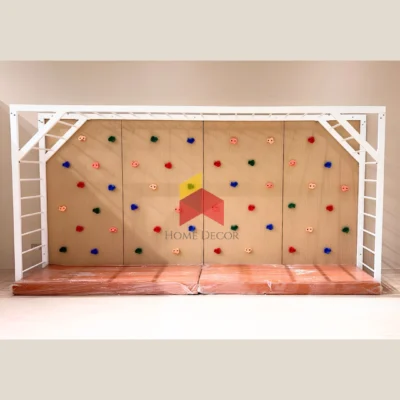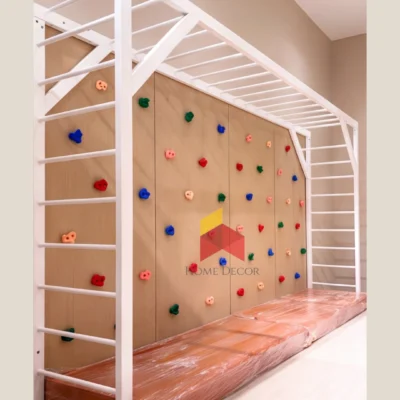
Outdoor play is an essential part of early childhood development. For nursery, preschool, and kindergarten kids, outdoor spaces are not just areas to run around. They are places where children build strength, coordination, confidence, and social skills. In the UAE, where schools and preschools operate in apartments, villas, and purpose built learning centers, outdoor play areas need thoughtful planning.
Parents and school owners across Dubai, Abu Dhabi, Sharjah, and other UAE cities are increasingly focusing on safe, age appropriate outdoor play spaces that balance fun, learning, and safety. This guide explains practical outdoor play areas and equipment ideas designed specifically for nursery and preschool kids.
Why Outdoor Play Matters for Nursery and Preschool Kids
Young children learn best by doing, not sitting still. Outdoor play helps them build strength, improve balance, develop language skills, and learn how to get along with other kids.
Here is what regular outdoor play actually does for early childhood development:
- Builds gross motor skills: running, jumping, climbing, balancing
- Strengthens fine motor skills through sand play, digging, and sensory activities
- Supports vestibular development (body awareness and balance) through swings and climbers
- Teaches social skills: sharing equipment, taking turns, working together
- Reduces restlessness inside the classroom
- Builds confidence through safe, supervised risk-taking
In UAE schools, where summer temperatures can stay extremely high, the outdoor area also needs to work during the cooler months from October to April. That makes good design even more important, because those windows of outdoor time are precious.
Preschool Outdoor Layout: How to Plan Your Floor Plan
Before buying any equipment, you need a clear outdoor floor plan for your preschool or nursery. A good layout makes the space safe, easy to supervise, and useful for different types of play at the same time.
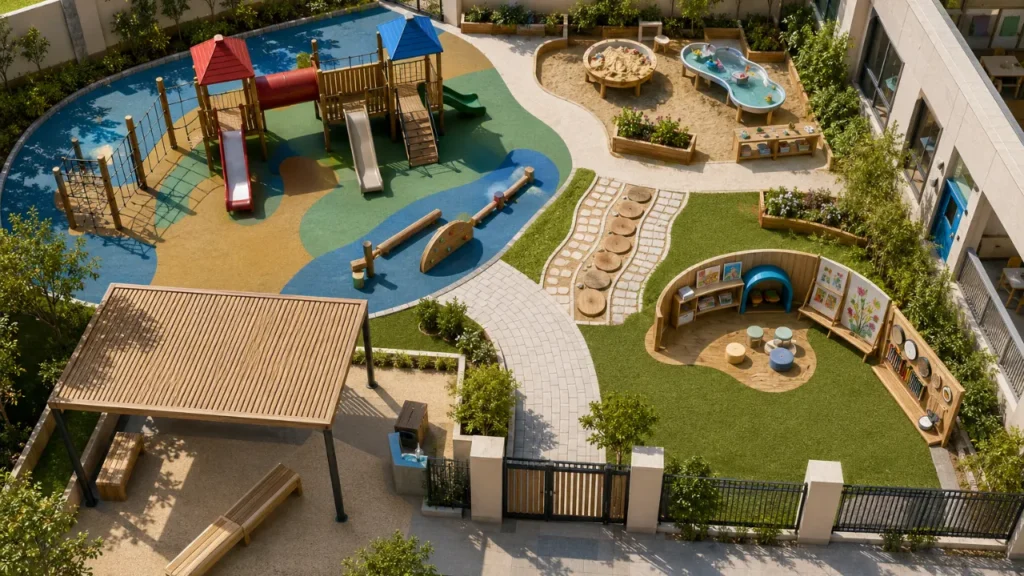
The 5-Zone Layout (works for most nursery outdoor areas)
A simple and proven preschool outdoor layout divides the space into five zones:
| Zone | Purpose | Example Equipment / Features |
| 1. Active Play Zone | Running, climbing, big movement | Slides, climbers, tunnels, balance beams, low monkey bars |
| 2. Sensory Play Zone | Touch, smell, texture exploration | Sand table, water play, mud kitchen, texture path, plant boxes |
| 3. Quiet / Creative Zone | Imaginative play, calming activities | Story corner, outdoor art board, musical panels, small reading bench |
| 4. Shaded Rest Zone | Teacher supervision, cooling down | Shade sail or pergola, seating, drinking water station |
| 5. Entry / Transition Zone | Safe entry/exit, gear storage | Fencing, gate, cubby pegs, clear path to classroom |
Even if your outdoor space is small, say a 30–40 sqm courtyard in a Dubai villa nursery, you can still use this 5-zone idea by making each zone smaller or combining quiet and sensory zones into one corner.
Layout tips for small nursery outdoor areas
- Creating clear zones for active play, sensory activities, and quiet learning.
- Maintaining open sightlines so teachers can supervise all children easily.
- Prioritising shade structures and compact multi-play equipment to maximise available space.
Age-Appropriate Design: Nursery vs Preschool vs Kindergarten
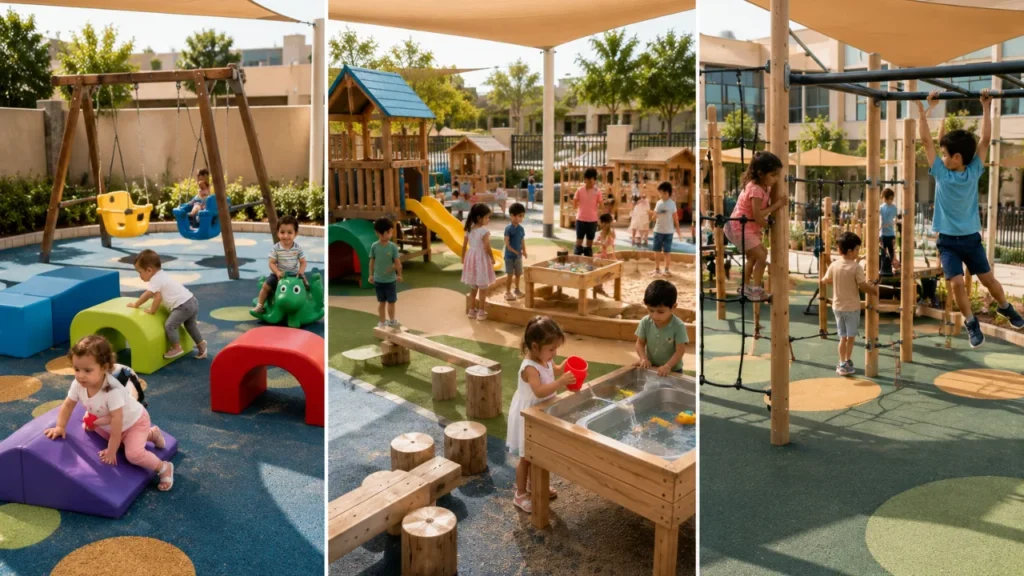
Choosing age-appropriate equipment is essential for creating a safe and engaging outdoor play area. Children at different developmental stages have different physical abilities, confidence levels, and play needs.
Nursery (1–2 years): Focus on simple movement and exploration. Low-height equipment such as soft climbers, step pods, and bucket swings helps toddlers develop balance and coordination safely. Soft rubber or foam flooring is recommended.
Preschool (2–4 years): Children become more active and imaginative. Low slides, tunnels, balance beams, playhouses, and sand or water play stations encourage climbing, social interaction, and creative play while remaining age-appropriate.
Kindergarten (4–6 years): Older children benefit from more challenging activities that build strength, coordination, and teamwork. Suitable equipment includes monkey bars, rope climbers, multi-play structures, and open areas for group games and movement activities.
For schools with mixed-age groups, creating separate play zones helps improve safety and allows each child to enjoy equipment suited to their developmental stage.
Essential Outdoor Play Equipment for Nursery and Preschool Kids
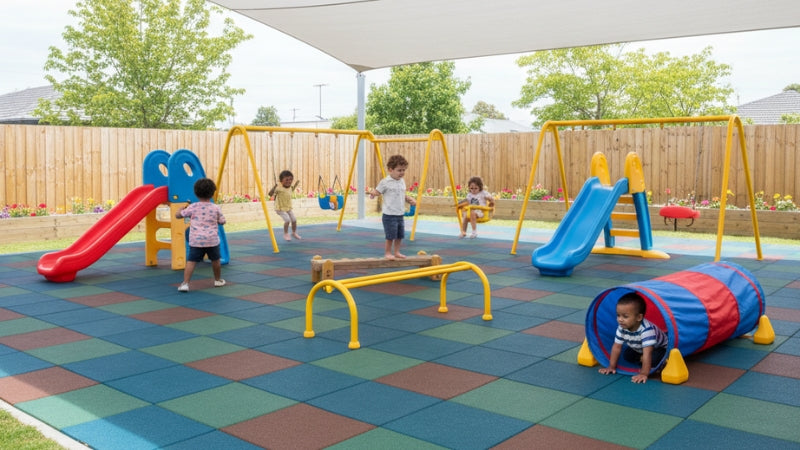
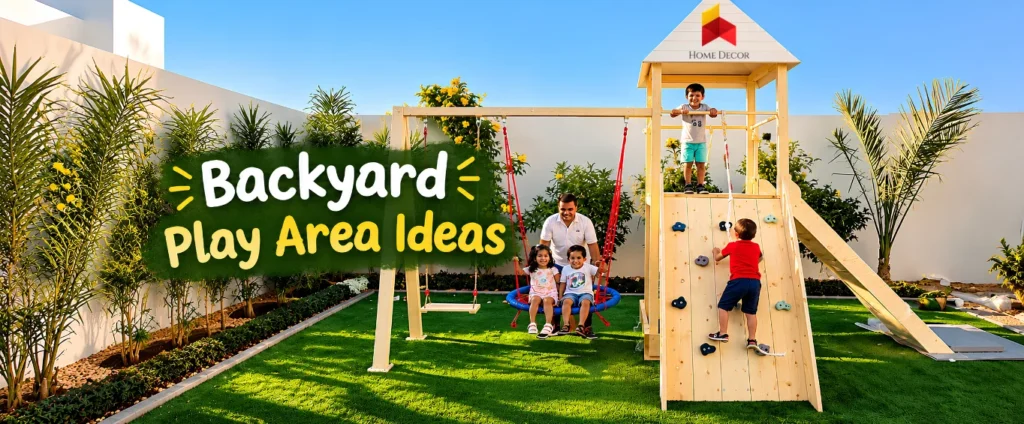
Slides and Small Climbers: Low slides with wide steps are a favorite for preschool kids. Gentle climbers help build confidence and strength. Choose designs with handrails and non-slip surfaces.
Swings with Safety Support: Bucket swings or swings with safety belts are ideal for nursery kids. Swings help develop balance and coordination while offering a calming experience.
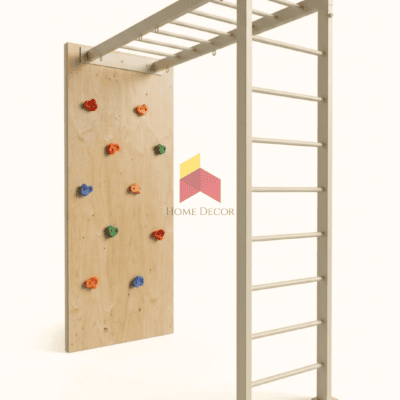
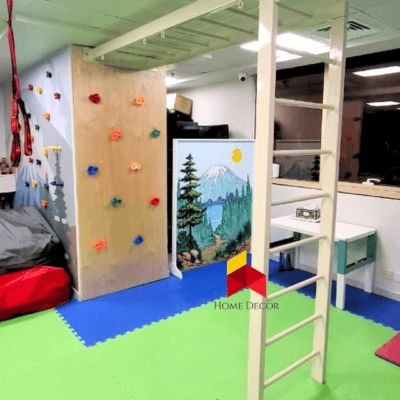
Balance Equipment and Low Monkey Bars: Balance beams close to the ground, stepping pods, and low height monkey bars support coordination, grip strength, and body control. For preschool and kindergarten kids, monkey bars should be low, simple, and placed over soft flooring. These activities help children build strength safely under supervision.
Tunnels and Crawl Spaces: Tunnels encourage crawling, exploration, and imaginative play. They are safe, engaging, and suitable for both nursery and preschool age groups.
Playhouses and role-play structures: Outdoor playhouses and role-play panels encourage imagination, communication, and social interaction while allowing easy supervision through open designs.
Multi-play structures: Multi-play structures combine slides, climbers, and bridges in one unit, making them ideal for kindergarten play areas by encouraging active and cooperative play.
Sensory Outdoor Play Areas: A Must-Have for Early Childhood Settings
Sensory play areas are an important part of any nursery or preschool outdoor space. They help children explore the world through touch, sound, sight, and movement while supporting focus, creativity, and early development.
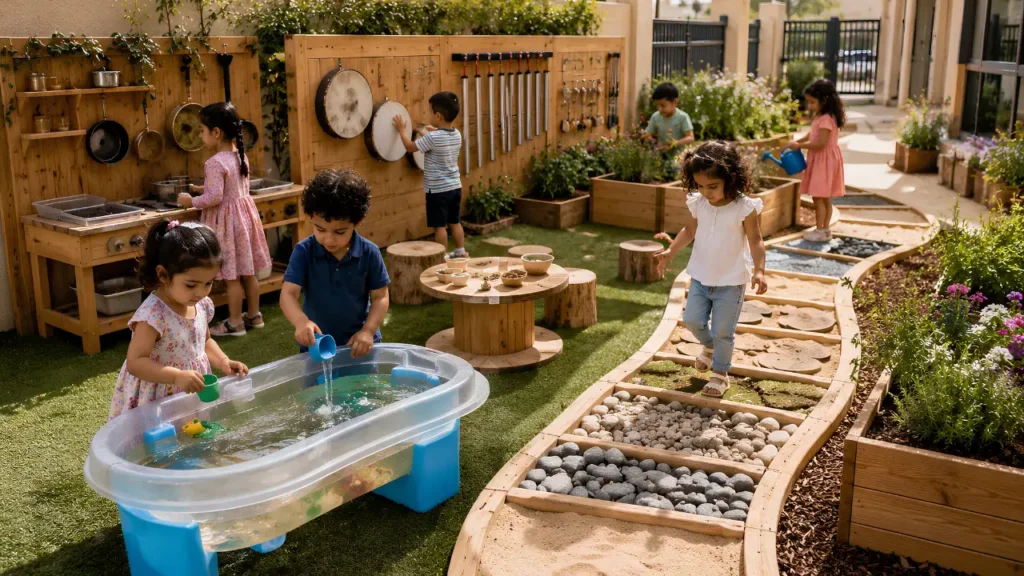
Popular sensory play ideas include:
- Sand and water tables for pouring, digging, and hands-on exploration.
- Sensory paths with different textures such as grass, rubber, sand, and pebbles.
- Mud kitchens that encourage imaginative and cooperative play.
- Musical panels including drums, bells, and chimes for sound exploration.
- Nature and planting areas where children can grow flowers or herbs and learn about the environment.
- Outdoor art walls for drawing, writing, and creative expression.
In UAE nurseries, sensory zones should be placed in shaded areas to keep surfaces comfortable and usable throughout the year.
Safety Standards for Nursery & Preschool Outdoor Play Areas in UAE
Safety should be a priority when designing any nursery or preschool playground. A safe outdoor play area must follow early childhood safety guidelines and local UAE requirements.
Key safety considerations:
- Use impact-absorbing surfaces such as EPDM rubber or safety tiles under play equipment.
- Ensure equipment has adequate fall zones and is securely anchored.
- Choose equipment with smooth edges, no sharp parts, and child-safe materials.
- Use UV-resistant, non-toxic materials that can withstand UAE weather conditions.
- Create clearly marked safe zones away from moving equipment such as swings.
- Install secure perimeter fencing with child-safe gates.
Choosing Safe Playground Surfaces
UAE temperatures can make outdoor surfaces extremely hot. To improve safety:
- Light-coloured EPDM rubber flooring absorbs less heat than darker surfaces.
- Artificial grass with cushioning provides a softer, cooler play surface.
- Sand works well for sensory play areas but should remain shaded and covered when not in use.
Proper flooring, shade, and regular inspections help keep outdoor play areas safe, comfortable, and suitable for everyday use.
Outdoor Play Areas for Learning and Creativity
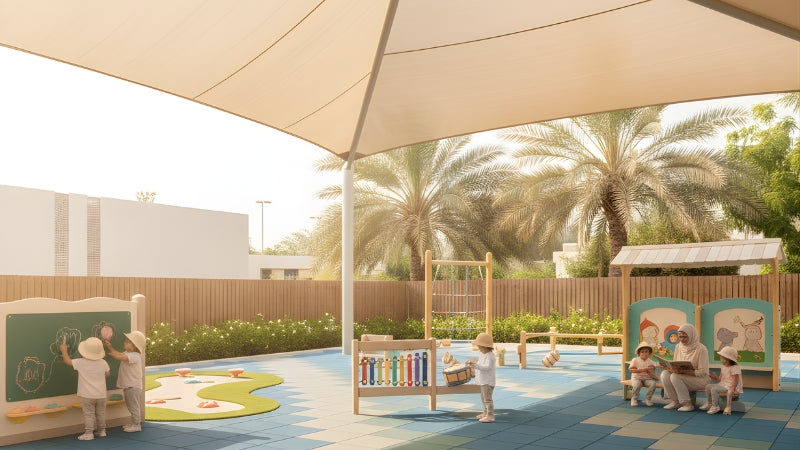
The best nursery outdoor areas are not just playgrounds, they are outdoor classrooms. Adding learning elements to your outdoor play space supports the EYFS (Early Years Foundation Stage) framework and ECD principles that many UAE schools follow.
- Story corner: A shaded bench with outdoor-safe books or a felt board for storytelling
- Counting and number games painted on the ground (hopscotch, number circles)
- Outdoor art board: A chalkboard or whiteboard panel for drawing and early writing
- Science corner: Magnifying glasses, bug observation boxes, simple weather station
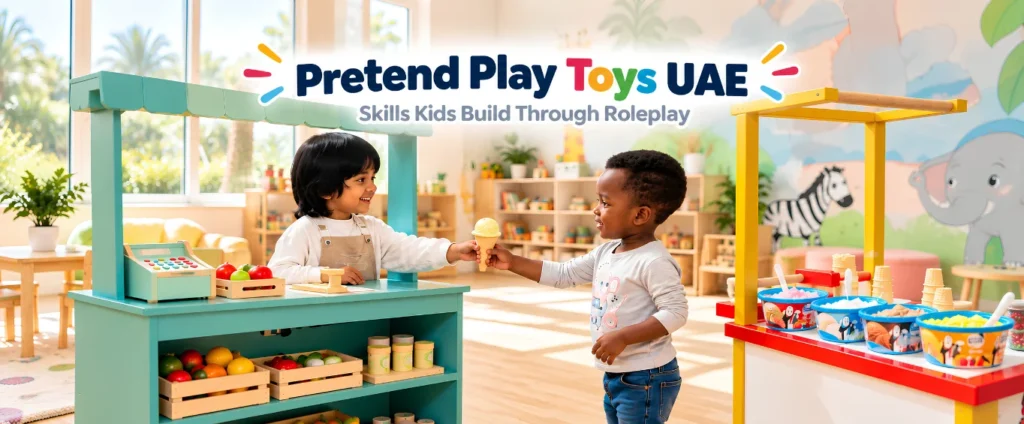
- Dramatic play area: A small market stall, construction site, or doctor setup using outdoor-friendly props
These features add huge value to an outdoor play area without requiring much space or budget, and they create rich learning experiences that are very hard to replicate indoors.
Quick Questions Parents and School Owners Often Ask
What is the best outdoor play equipment for nursery schools?
Low slides, bucket swings, tunnels, balance beams, sensory panels, and sand or water play stations are ideal for supporting early childhood development and active play.
How do I design a nursery or preschool outdoor play area?
Start by creating separate zones for active play, sensory activities, outdoor learning, and rest areas while ensuring clear supervision and safe movement.
What makes a playground safe for nurseries?
A safe playground includes impact-absorbing flooring, secure fencing, age-appropriate equipment, shaded areas, and regular inspections to minimise injury risks.
Why are sensory play areas important for young children?
Sensory play areas encourage exploration through touch, sound, and movement while supporting creativity, concentration, fine motor skills, and cognitive development.
What flooring is best for preschool outdoor play areas?
EPDM rubber flooring, artificial grass with cushioning, and sand are popular options because they provide comfort, safety, and impact protection.
How much does a nursery outdoor play area cost in the UAE?
Costs depend on the size, equipment, flooring, and shade structures. Small playgrounds cost less, while larger customised installations require a higher investment.
Final Thoughts
A well-designed outdoor play area helps children stay active, play together, and explore their surroundings safely. For nurseries and preschools in the UAE, factors such as shade, flooring, equipment selection, and layout are important when planning the space. By choosing age-appropriate equipment, providing adequate safety measures, and creating areas for both active and sensory play, schools can make better use of their outdoor environment. The goal is to create a practical space that supports children’s daily play, learning, and development.