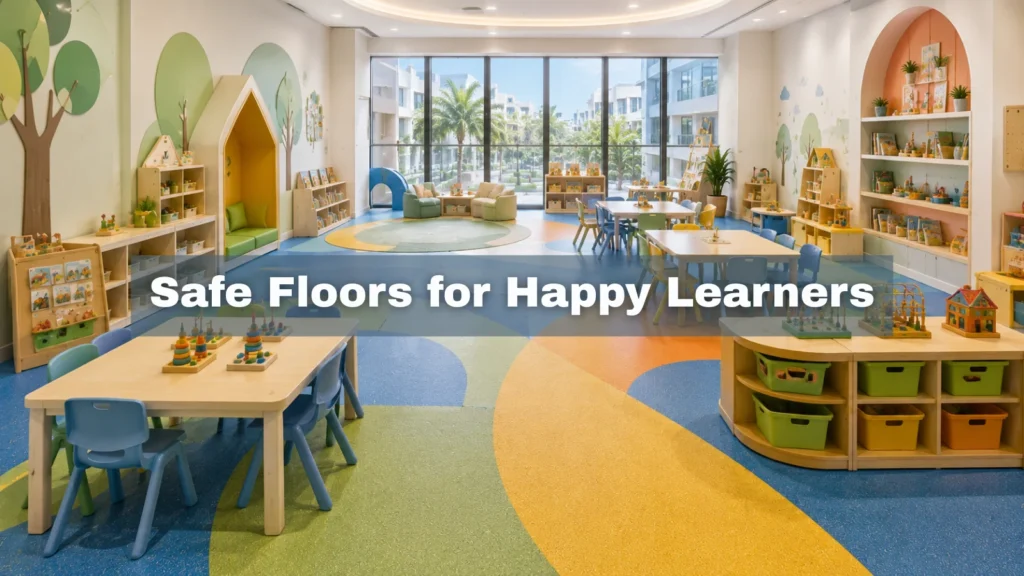
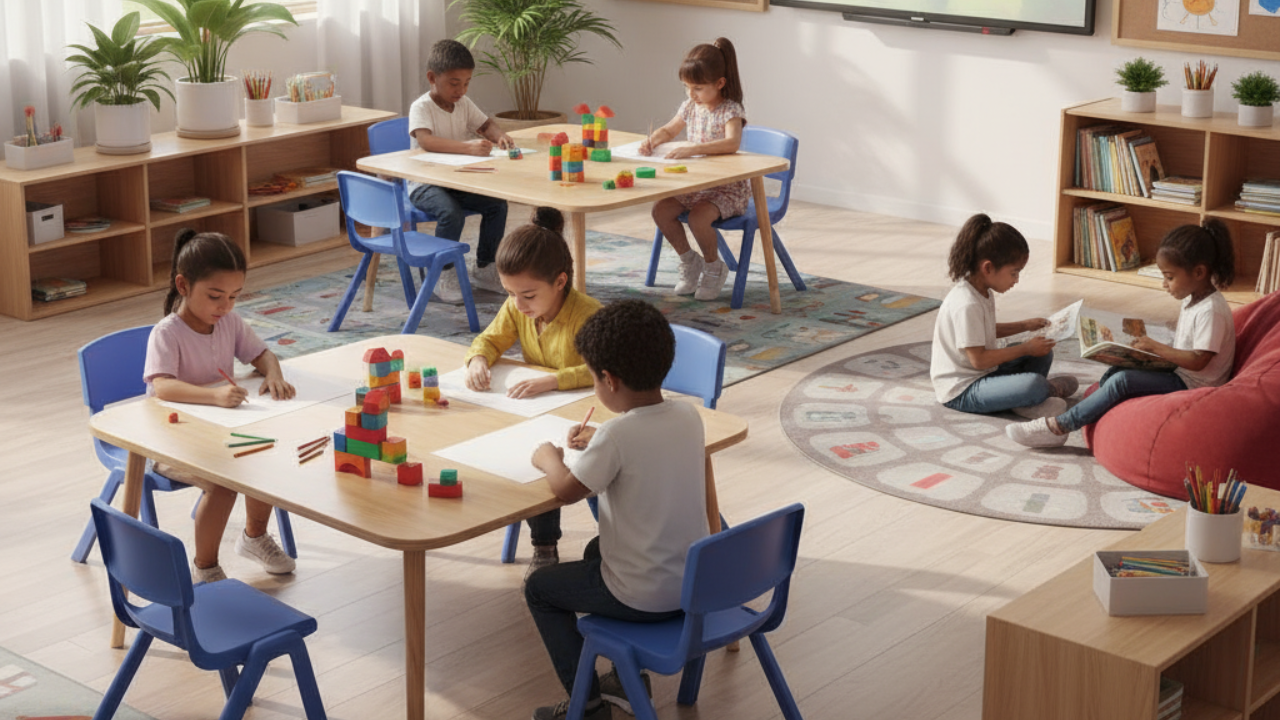
A well-designed classroom does more than provide desks and chairs. The right classroom furniture helps students stay comfortable, focused, and engaged while supporting collaboration and everyday learning activities.
Whether for a preschool, primary school, or learning centre, flexible furniture, smart storage, and age-appropriate seating can improve how a classroom functions. Here are 10 practical classroom furniture ideas that can help UAE schools create modern, organised, and student-friendly learning spaces.
What Makes Modern Classroom Furniture Different?
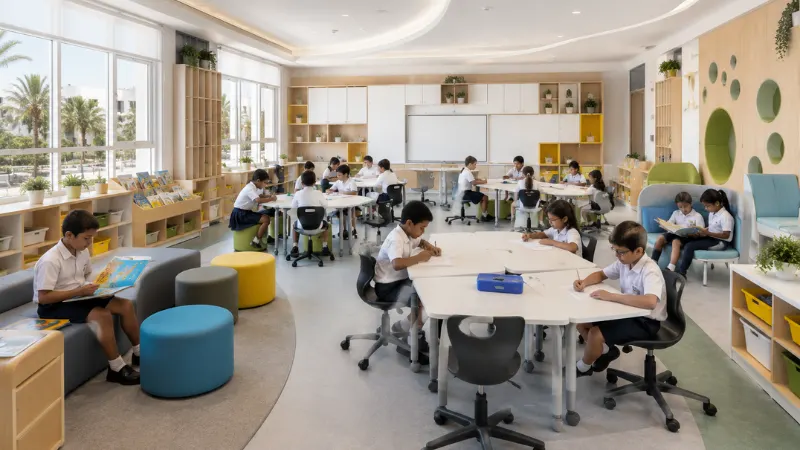
Modern classroom furniture is designed to support active learning, collaboration, and flexibility. Unlike traditional classrooms with fixed desks, modern learning spaces use movable tables, ergonomic chairs, smart storage, and flexible seating arrangements that can adapt to different teaching styles.
Many UAE schools are moving towards modern classroom furniture because it helps improve comfort, organisation, and classroom functionality.
Popular modern classroom furniture includes:
- Collaborative classroom tables
- Flexible seating options
- Ergonomic student chairs
- Mobile storage units
- Reading corner furniture
- Modular classroom desks
This approach creates a more engaging learning environment while making better use of available classroom space.
1. Ergonomic Chairs that Support Comfort and Concentration
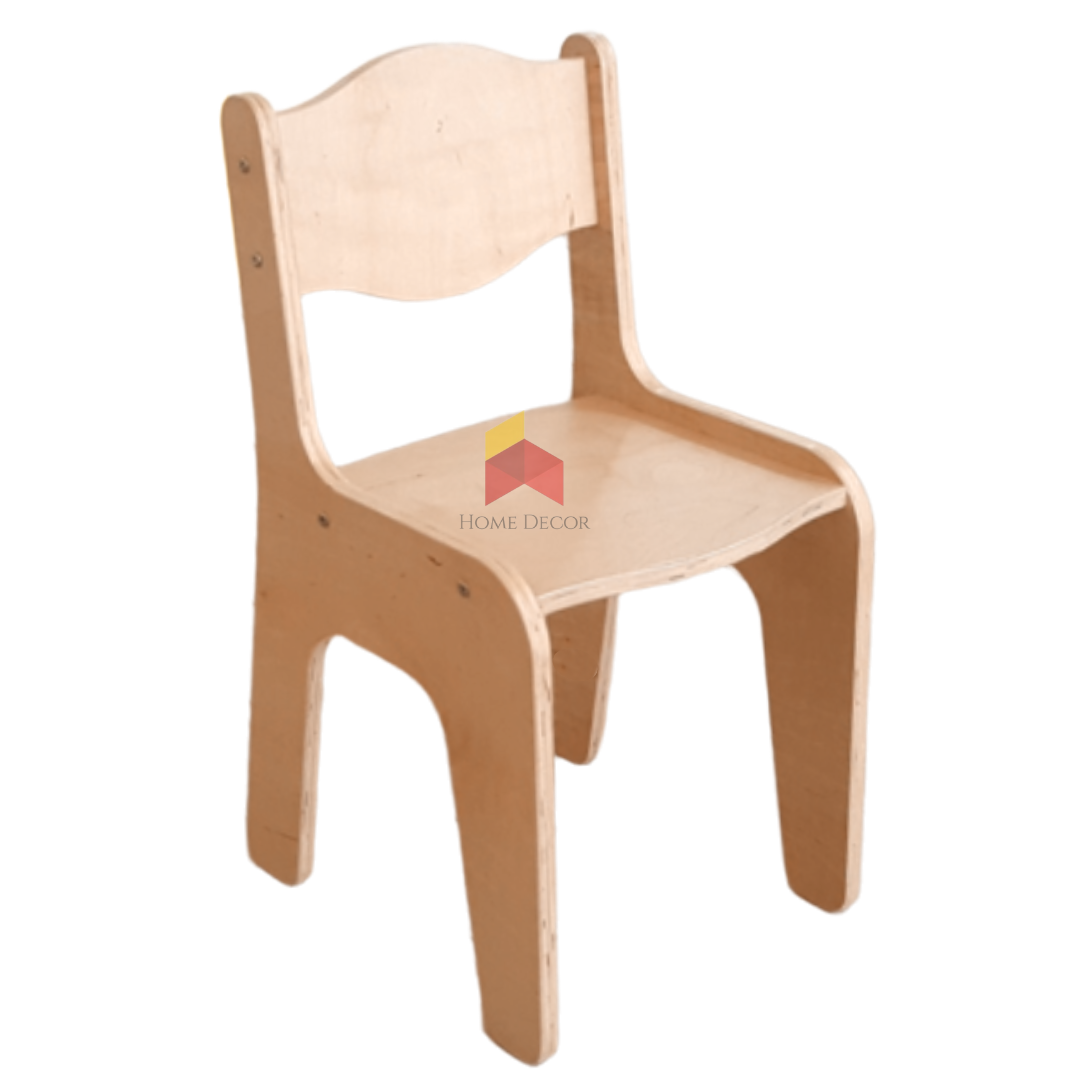
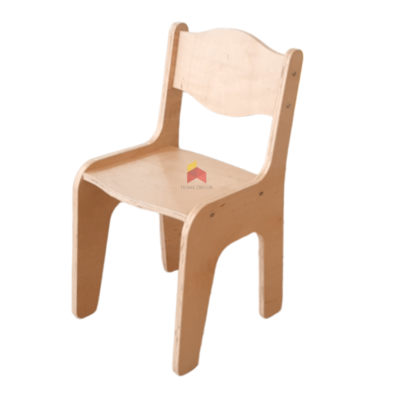
Every student spends several hours sitting during lessons, so comfort is essential. Ergonomic chairs help maintain good posture, prevent back strain, and improve focus. Choose chairs with adjustable heights to match different age groups. Lightweight and stackable chairs are also useful, allowing teachers to change layouts quickly for group or individual work.
When children feel physically comfortable, they can concentrate better, which improves the quality of learning in the classroom.
2. Modern Classroom Tables for Flexible Learning
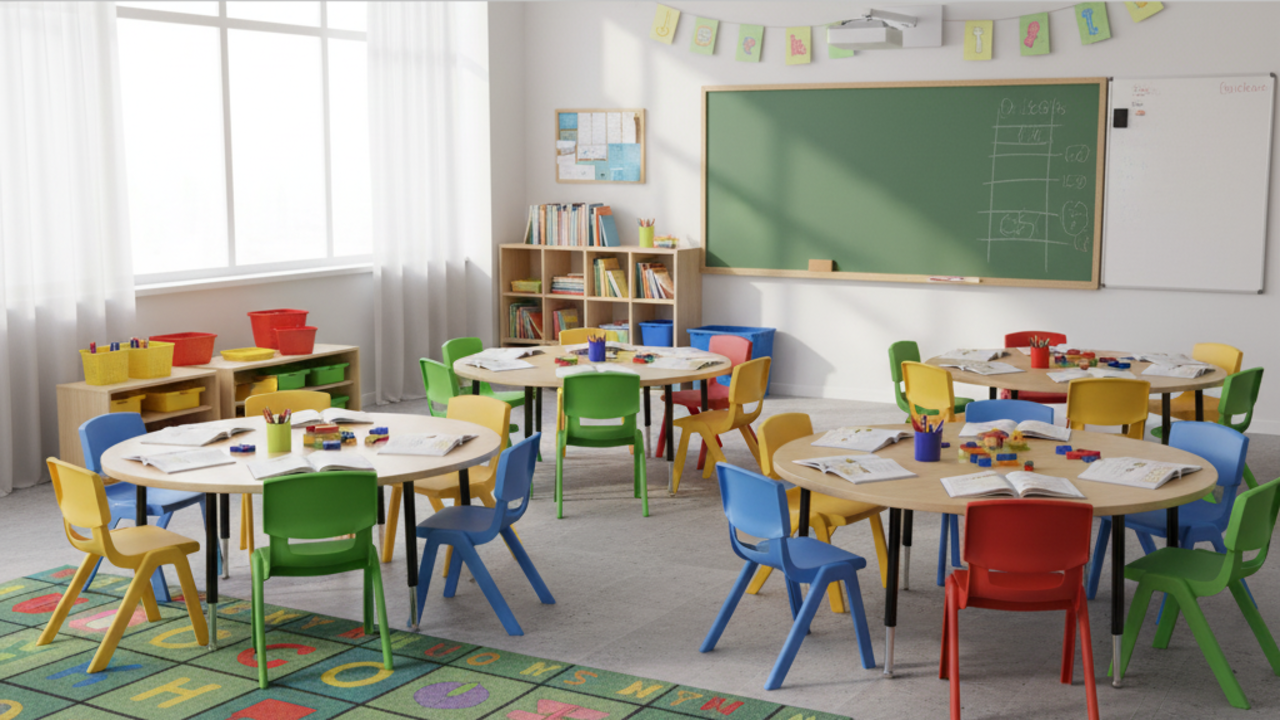
Modern classroom tables are designed to support individual learning, group activities, and collaborative work. Shapes such as trapezoid, rectangular, and modular tables allow teachers to quickly adapt classroom layouts for different lessons. Many schools choose mobile classroom tables because they create flexible learning environments and make better use of available space.
Wooden classroom tables are a popular choice for schools and nurseries due to their durability, versatility, and suitability for both learning and creative activities.
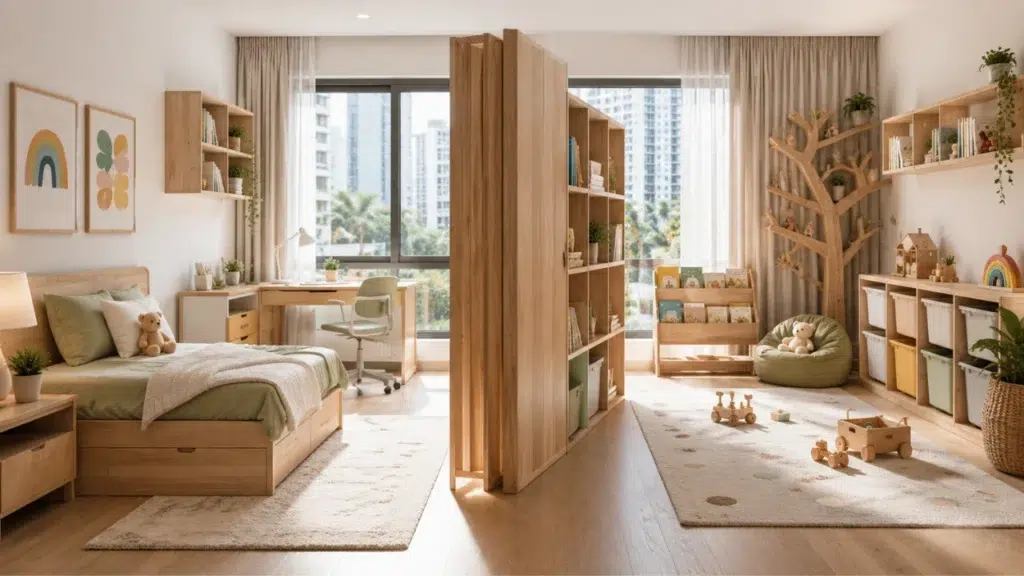
3. Room Dividers for Creating Functional Spaces
Room dividers help teachers design multiple learning areas within a single classroom. You can create different zones such as reading areas, art corners, or quiet study spaces without needing extra rooms. Dividers also reduce distractions by separating noisy and calm activities.
This approach works especially well in open classrooms and nursery settings, helping schools make the most of available space.
4. Interactive Boards that Promote Active Learning
Boards are essential for both teachers and students. Traditional whiteboards and chalkboards remain useful, but interactive smart boards bring lessons to life with visuals, videos, and digital activities. Even a simple magnetic or pin board can make lessons more dynamic, as students can display their projects and ideas.
Boards turn teaching into a two way process, encouraging participation and creativity in the classroom.
5. Individual Cubbies for Organized Storage
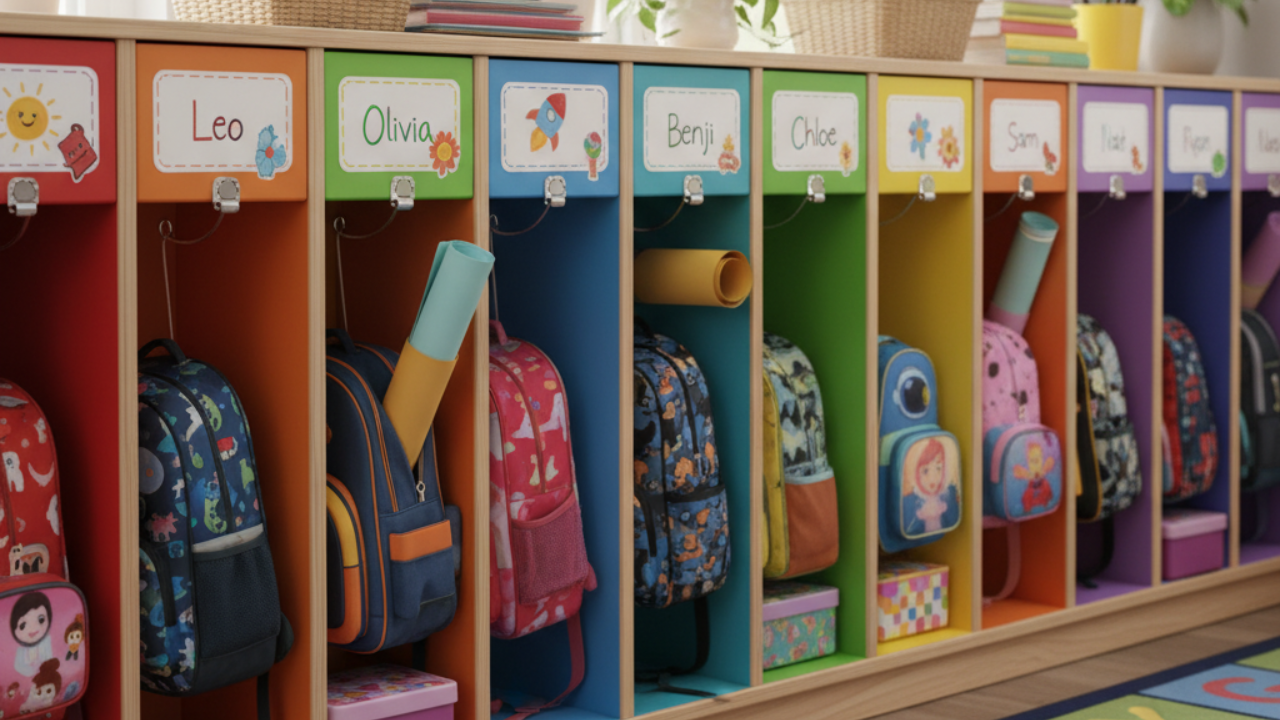
Cubbies give each child a personal place to keep their school bags, books, and belongings. This small but effective furniture idea keeps the classroom neat and reduces clutter. When students are responsible for their own cubbies, they also learn organization skills and discipline from an early age.
Personalized cubbies with name tags make the classroom look bright, tidy, and welcoming for both students and teachers.
6. Sensory and Roleplay Areas for Early Learning
For young children, learning happens through play. Small sensory corners or pretend play zones such as play kitchens, puppet theaters, or shop counters help children explore and express themselves. Sensory play items like textured mats or tactile toys also help improve hand eye coordination and creativity.
These areas are ideal for nurseries and lower primary classrooms where imagination and hands on learning are key.
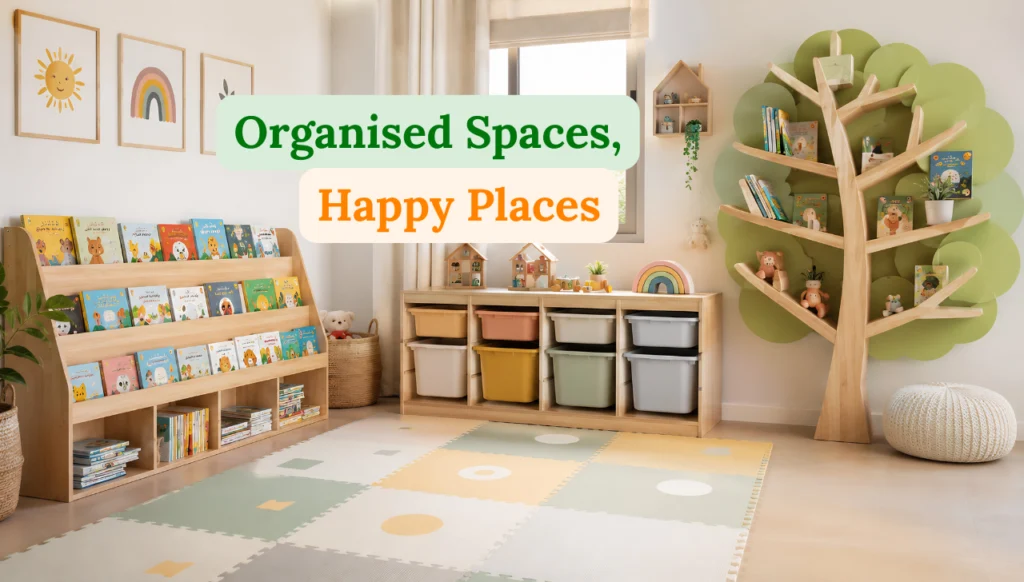
7. Proper Shelving and Storage Solutions
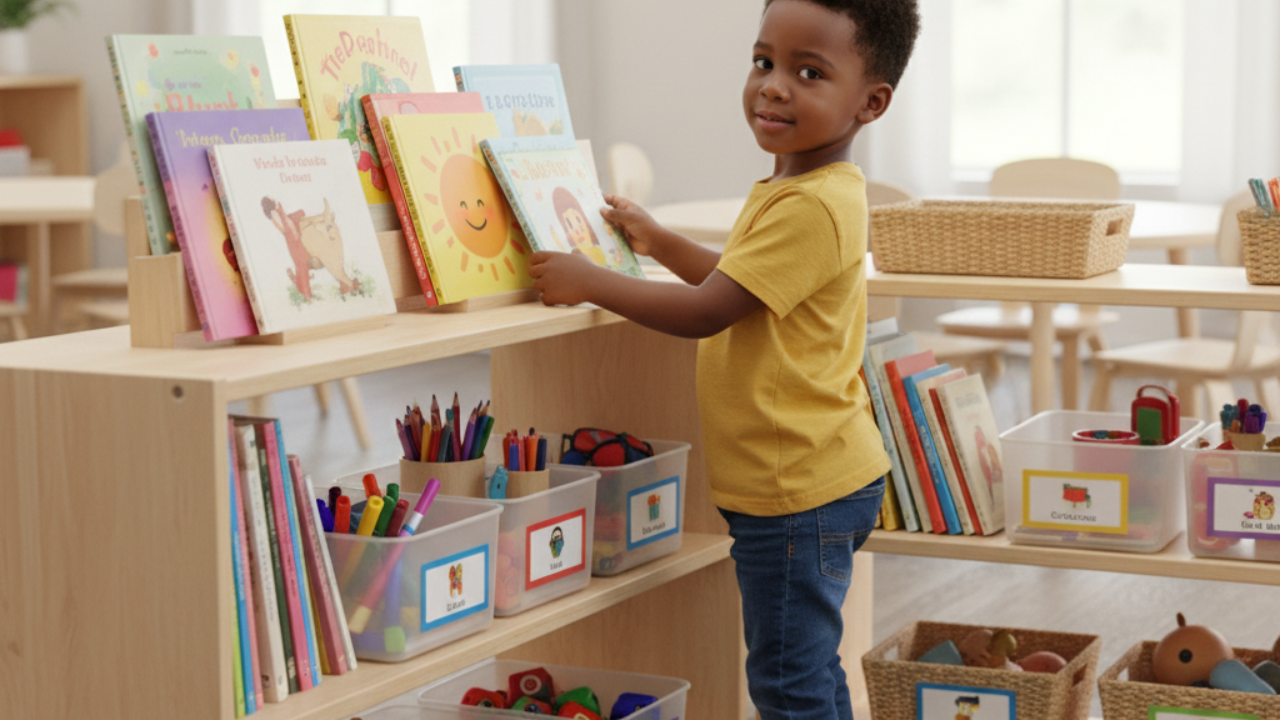
Organized storage contributes to a calm and focused environment. Open shelves, labeled bins, and modular cabinets make it easy to keep books, art materials, and stationery neatly arranged. When supplies are accessible, students can take responsibility for finding and returning items themselves.
Well planned storage not only saves time but also makes classrooms look cleaner and more structured.
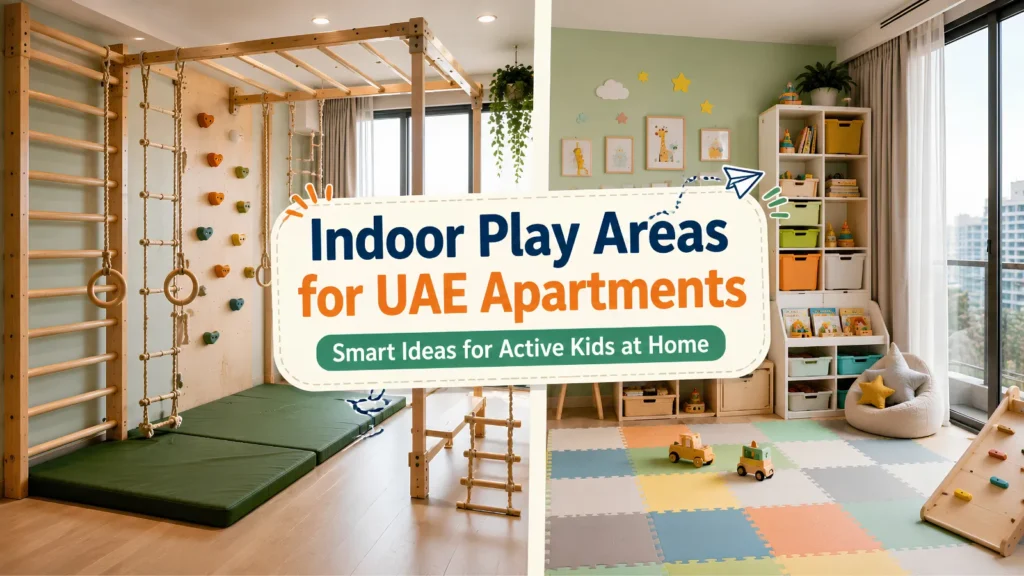
8. Safety Padding for Play and Activity Areas
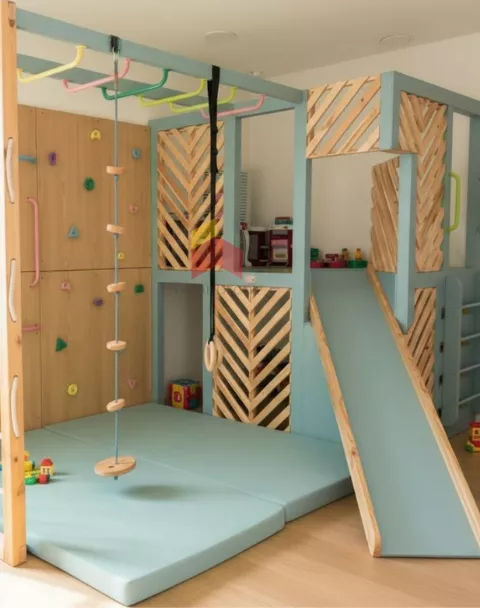
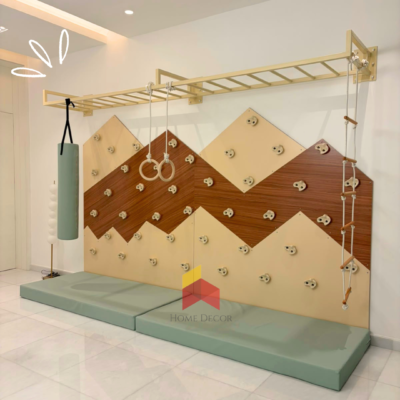
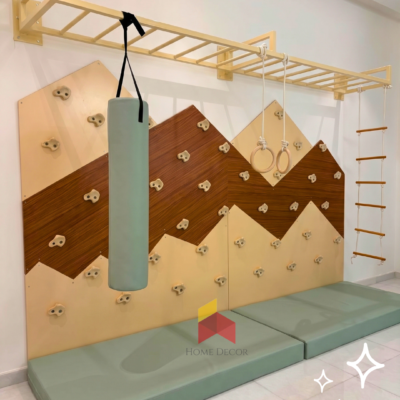
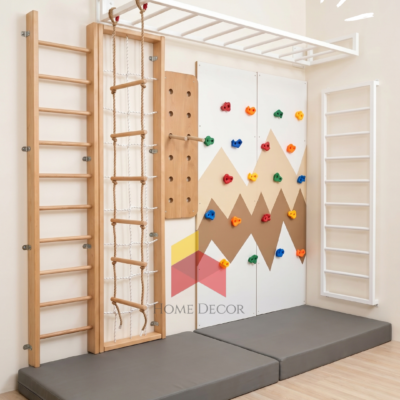
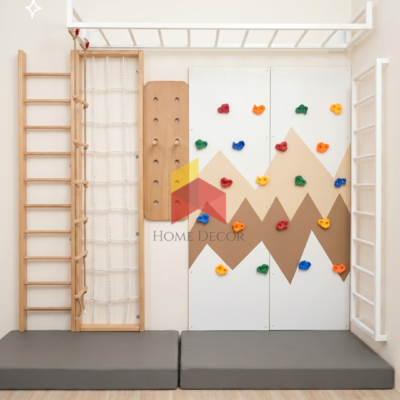
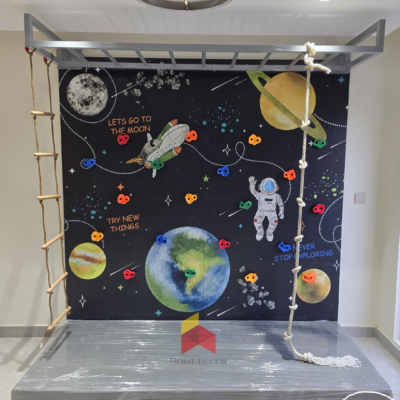
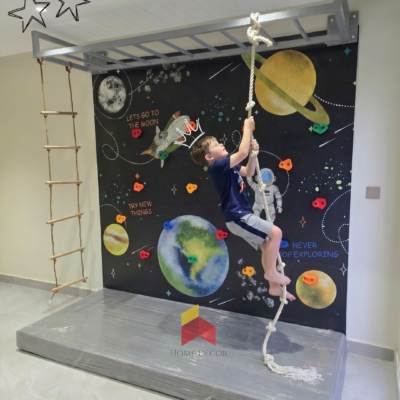
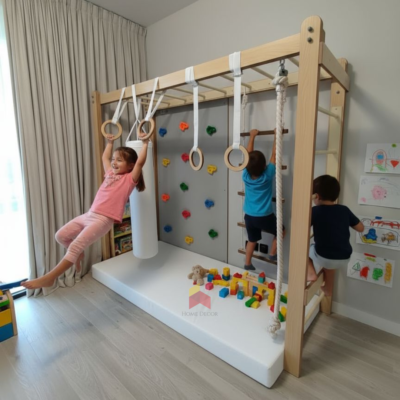
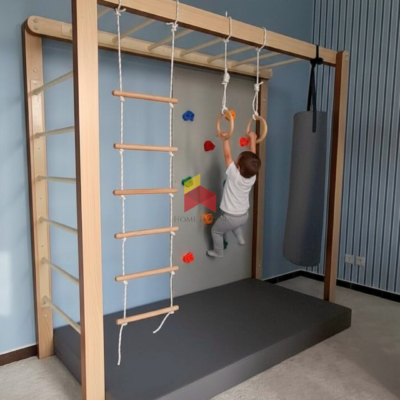
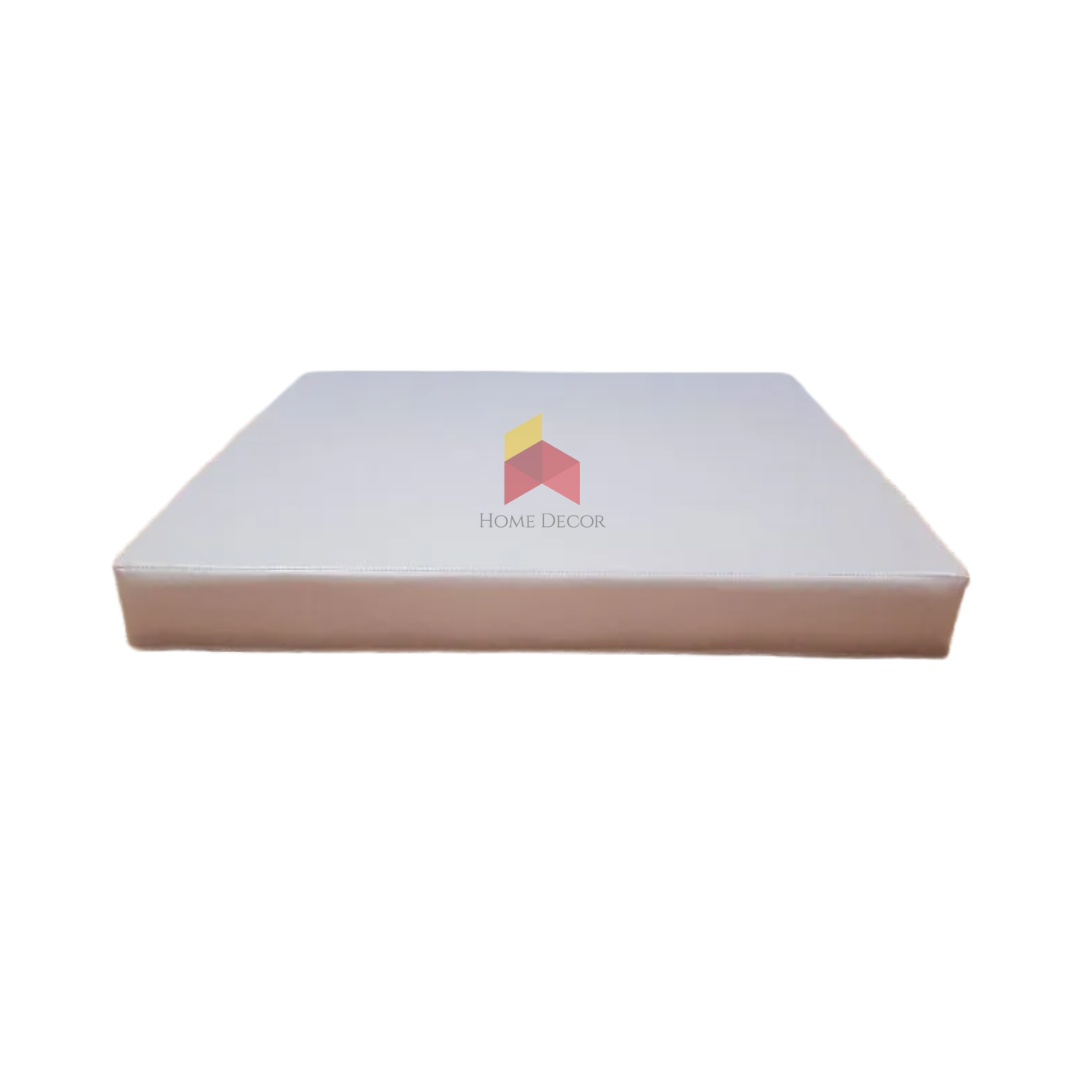
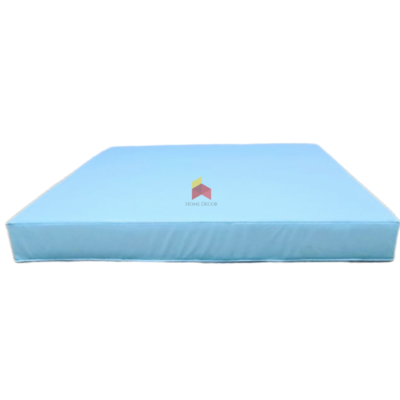
In classrooms where children move, play, or participate in physical activities, safety padding is essential. Soft mats, rounded furniture edges, and cushioned corners help reduce the risk of injuries. These safety elements are particularly important in preschools or activity based classrooms where children are often on the move.
Parents and educators can find high quality safety padding and protective accessories at Kids Home Decor, designed to create secure, comfortable, and engaging play and learning spaces.
9. Adjustable Furniture that Grows with Students
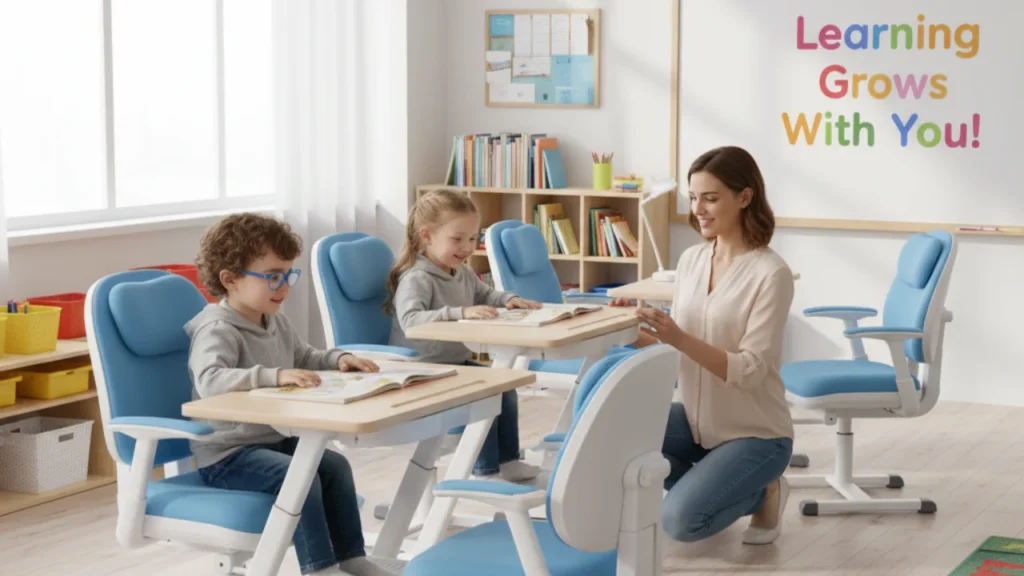
Children grow quickly, and their classroom furniture should grow with them. Height adjustable chairs and desks are a practical solution that ensures comfort at every stage. Adjustable pieces also reduce the need for frequent replacements, making them a cost effective choice for schools.
Such furniture supports better posture and keeps classrooms suitable for mixed age groups or shared spaces.
10. Creative Corners that Spark Curiosity
Dedicated corners for reading, art, or science experiments add variety to classroom learning. A reading corner with soft chairs and bookshelves, or a STEM zone with hands on materials, can inspire curiosity and creativity. These areas help students work independently or in small groups, encouraging exploration beyond textbooks.
Well designed creative spaces make learning enjoyable and encourage children to think differently.
Smart Classroom Furniture Solutions
Modern schools are increasingly using smart classroom furniture to support digital learning. These solutions combine furniture with technology to create more flexible learning environments.
Popular smart classroom furniture includes:
- Device charging stations
- Tablet and laptop storage carts
- Interactive whiteboard stations
- Height-adjustable desks
- Mobile learning tables
- Collaborative classroom furniture
Smart classroom furniture helps teachers organise technology while making classrooms more adaptable for different teaching methods.
Additional Tips for Classroom Design
Color and Ambience:
Bright colors can make classrooms cheerful, while softer shades help create a calm atmosphere in reading or quiet zones. Choosing the right color balance enhances the mood of the space.
Multi use Furniture:
Select furniture that serves more than one purpose. A storage cabinet can double as a divider, or a table can be used for art and study. This approach saves space and keeps the classroom adaptable.
Accessibility:
Arrange furniture so that all students can move easily and reach materials on their own. This promotes independence and confidence.
Safety Considerations:
Always check for sharp edges, loose fittings, or unstable furniture. Safety should be the foundation of every classroom design.
Flexible Layouts:
Keep the layout versatile so that it can support lectures, group work, and creative sessions as needed.
Standard Classroom Table and Chair Sizes
Choosing the correct furniture size helps students sit comfortably and maintain proper posture throughout the school day.
| Age Group | Table Height | Chair Height |
|---|---|---|
| Nursery (3–4 years) | 46 cm | 26 cm |
| Preschool (4–6 years) | 53 cm | 31 cm |
| Primary School | 59–64 cm | 35–38 cm |
| Secondary School | 71 cm | 43 cm |
When selecting classroom furniture, always choose tables and chairs that match the age and height of the students using them.
Classroom Design Ideas for Better Learning
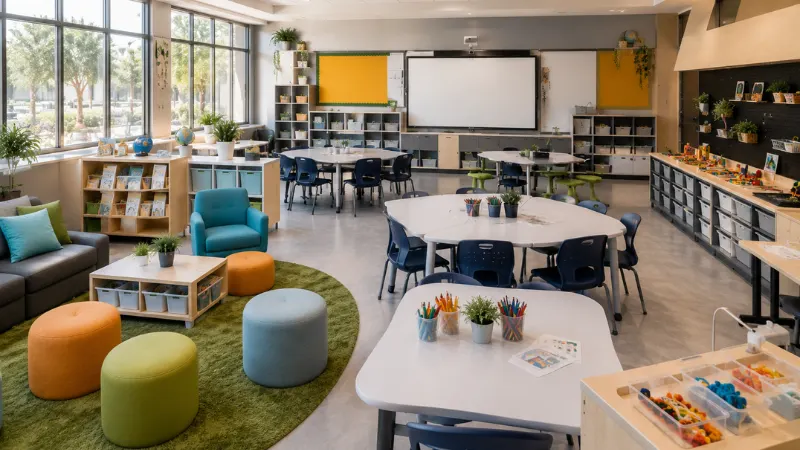
Good classroom design goes beyond furniture. A well-planned classroom should be comfortable, organised, and easy for students to move around.
Simple classroom design ideas include:
- Creating a reading corner
- Using collaborative learning tables
- Adding display boards for student work
- Organising supplies with storage units
- Setting up learning stations for different activities
- Using flexible seating arrangements where appropriate
A thoughtful classroom layout can help improve organisation, engagement, and everyday classroom management.
Classroom Essentials Every School Needs
Whether you are setting up a nursery classroom, primary classroom, or learning centre, these are the basic classroom essentials most schools need:
- Student desks and chairs
- Teacher desk
- Whiteboard or educational board
- Storage cabinets
- Bookshelves
- Display boards
- Learning stations
- Reading corner furniture
- Classroom storage units
- Collaborative classroom tables
Using a simple checklist helps ensure that no important furniture or equipment is overlooked during classroom planning.
Frequently Asked Questions (FAQs)
1. What furniture is found in a classroom?
Most classrooms include student desks, chairs, tables, bookshelves, storage cabinets, whiteboards, display boards, and reading corner furniture to support learning and organisation.
2. How do you arrange furniture in a classroom?
Arrange furniture to create clear pathways, learning zones, and collaborative spaces. Ensure students can see the teacher easily while maintaining safe movement throughout.
3. What materials are best for school furniture?
Wood, metal, laminate, and high-quality plastic are popular choices because they are durable, easy to clean, safe, and suitable for daily classroom use.
4. What does every new teacher need?
Every new teacher needs a desk, storage space, classroom supplies, teaching materials, display boards, and an organised classroom layout that supports learning.
5. How do you design a classroom layout?
Design a classroom by creating zones for teaching, group work, reading, and activities while ensuring easy movement, accessibility, and clear visibility for students.
Conclusion
A well-designed classroom supports learning, comfort, and engagement. The right mix of ergonomic seating, flexible furniture, storage solutions, and learning spaces helps students stay organised and focused. By choosing practical and age-appropriate educational furniture, UAE schools can create safe, functional classrooms that encourage collaboration, creativity, and everyday learning.