
Step-by-Step Kids Room Makeover Checklist for UAE Homes (2026)
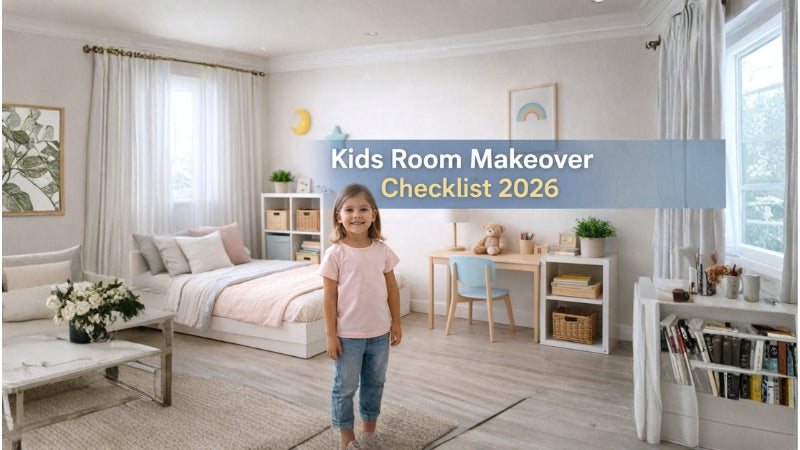
A kids room makeover is not just about changing colors or adding new furniture. For families living in Dubai, Abu Dhabi, Sharjah, and other parts of the UAE, it is about creating a space that supports learning, play, rest, and growth. Homes here often include apartments, townhouses, or compact villas, so planning becomes very important.
A clear checklist helps parents avoid rushed decisions, unnecessary spending, and clutter. This step-by-step guide is designed to help UAE families plan a kids room makeover in a calm and practical way for 2026.
Step 1: Understand Your Child’s Current Needs
Before moving furniture or buying anything, take time to observe how your child uses their room today.
Ask yourself:
Do they need more play space or study space
Are toys scattered due to lack of storage
Is the room safe for their age
Has their routine changed recently
A toddler may need open floor space and soft play areas. A school going child may need a proper desk and organized storage. This step sets the foundation for every decision that follows.
Step 2: Measure the Room Properly

Room measurements are often skipped, but they matter a lot in UAE homes where space is valuable.
Measure:
Wall length and height
Window placement
Door swing direction
Electrical points
Knowing exact measurements helps you choose furniture that fits without blocking movement. It also prevents buying items that look good online but feel too large once placed in the room. Applying space saving kids room hacks helps make better use of limited room layouts.
Step 3: Decide a Clear Purpose for the Room
Every kid's room should have a clear purpose. In most UAE homes, one room needs to serve multiple functions.
Common combinations include:
Sleep and play
Play and study
Sleep, study, and storage
Once the purpose is clear, you can divide the room into simple zones. This avoids confusion and makes the room easier for children to use independently.
Step 4: Set a Practical Budget
A makeover does not mean replacing everything. Setting a realistic budget helps parents focus on essentials.
Split the budget into:
Furniture
Storage
Lighting
Decor
Always keep a small buffer for unexpected needs. A clear budget helps avoid impulse purchases and keeps the makeover stress free.
Step 5: Declutter Before Buying Anything

Decluttering is one of the most important steps and it costs nothing.
Remove:
Broken toys
Items your child has outgrown
Duplicate supplies
In UAE apartments, decluttering instantly makes the room feel bigger. It also shows you what storage solutions are actually needed instead of guessing.
Step 6: Choose Furniture That Grows With Your Child
Furniture should last for years, not months.
Good choices include:
Beds with storage
Adjustable desks
Open shelves instead of closed cabinets
Avoid oversized furniture. In 2026, flexibility is more important than matching sets. Furniture that adapts saves money and space over time.
Step 7: Plan Storage Before Decor

Storage should always come before decoration.
Focus on:
Open shelves for daily use
Baskets for toys
Drawers for clothes and supplies
Labeling storage helps children learn responsibility. In shared rooms, separate storage for each child reduces conflict and keeps things organized.
Step 8: Select Safe Flooring and Soft Zones

Many UAE homes have tiled floors. Adding soft zones improves safety and comfort.
Options include:
Foam mats
Area rugs
Soft play flooring
These areas support play, reading, and quiet time. They also reduce noise, which is helpful in apartment living.
Step 9: Improve Lighting for Daily Activities
Lighting affects mood, focus, and sleep.
Plan for:
Natural light during the day
Soft lighting for evenings
Task lighting for study areas
Avoid harsh overhead lights alone. A mix of light sources creates a calm and functional environment for children.
Step 10: Choose Calm Colors and Simple Decor
In 2026, kids room design focuses on calm and balance.
Use:
Neutral base colors
Soft accents through cushions or wall art
Limited patterns
Avoid overcrowding walls. Simple decor makes rooms easier to maintain and helps children feel relaxed.
Step 11: Add Play and Learning Elements Thoughtfull

Play and learning do not require expensive setups.
Consider:
A reading corner with floor cushions
Open play space
Keep only a few activity options visible. Rotate items every few weeks to keep the room engaging without creating clutter.
Step 12: Review Safety One Last Time
Before completing the makeover, do a full safety check.
Ensure:
Furniture is stable
Sharp edges are covered
Electrical points are protected
Heavy items are secured
This final review helps parents feel confident and allows children to move, play, and explore safely.
Step 13: Involve Your Child in Small Decisions
Let children take part in simple choices.
Allow them to choose:
Cushion colors
Bedding patterns
Placement of toys
Involving children builds ownership and comfort. Even small decisions help them feel connected to their space and more willing to keep it organized.
Step 14: Plan for Easy Maintenance
A kids room should be easy to clean and reset daily.
Choose:
Washable fabrics
Simple layouts
Storage children can access
Easy maintenance helps parents manage the space effortlessly and keeps the room functional, tidy, and enjoyable long after the makeover is complete.
Final Checklist Summary
Before calling the makeover complete, check:
Room purpose is clear
Furniture fits properly
Storage is sufficient
Safety is addressed
The room feels calm and usable
A successful kids room makeover supports daily routines and adapts as children grow.

Final Thoughts
A kids room makeover does not need to be overwhelming. With a step-by-step checklist, UAE families can plan thoughtfully and avoid common mistakes. The goal is not perfection but creating a space that supports learning, play, rest, and growth.
In 2026, smart planning, flexibility, and simplicity matter more than trends. A well planned kids room becomes a place where children feel safe, confident, and happy every day.
)