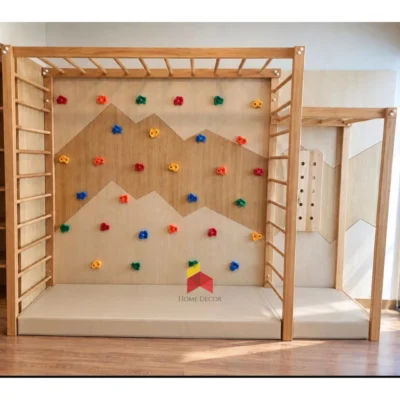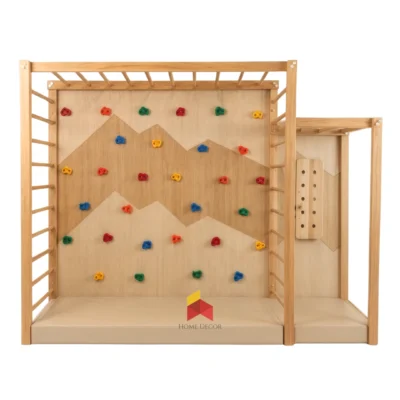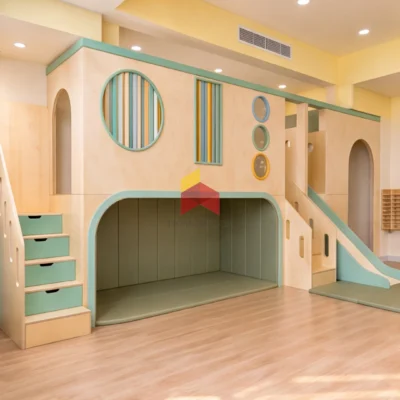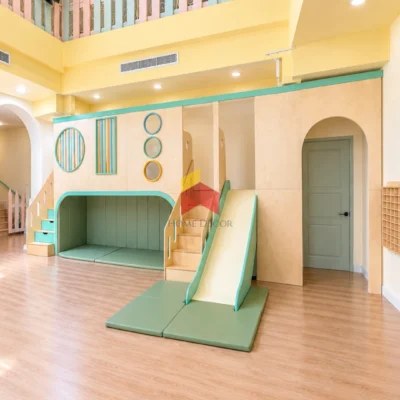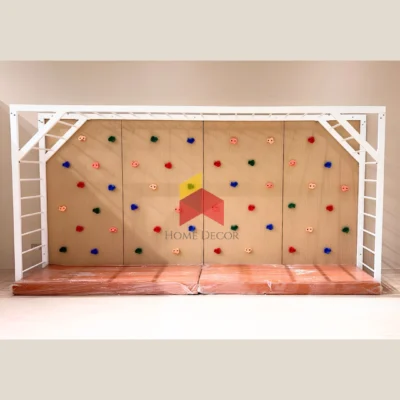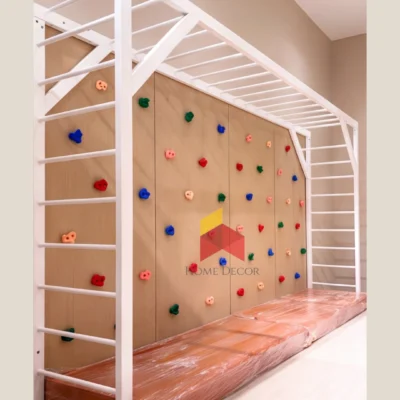
Making kids play areas safer does not require removing fun or limiting movement. Safety can be improved through soft flooring, protective padding, age appropriate equipment, and thoughtful space planning. These adjustments reduce injury risks while allowing children to stay active, confident, and engaged.
Creating a play area for children is one of the most meaningful additions parents can make to a home. Play supports physical growth, emotional balance, creativity, confidence, and social skills. In cities like Dubai, Abu Dhabi, Sharjah, and across the UAE, families are increasingly setting up dedicated play spaces inside homes, nurseries, and learning centers.
However, safety remains the primary concern for most parents.
Many families want children to play freely, climb confidently, and stay active, while also preventing injuries. Some parents worry that adding safety measures may reduce excitement or restrict movement.
In reality, a well designed play space can support both safety and engagement. Thoughtful design choices help children explore confidently while giving parents peace of mind.
This guide explains practical ways UAE families and schools can design safer play areas without reducing fun, movement, or creativity.
Why Is Play Area Safety Important for Kids?
Children learn through movement. Climbing, balancing, jumping, crawling, sliding, and exploring help build coordination, strength, confidence, and problem solving skills. Minor tumbles are part of growing up and help children understand physical limits.
Safety design is not about removing every possible risk.
Instead, it focuses on reducing serious injuries while still encouraging active, independent play. A well designed environment allows children to challenge themselves in a controlled and protected way.
For UAE families, safety becomes even more important because indoor play often replaces outdoor play during hotter months.
How Flooring Impacts Play Area Safety
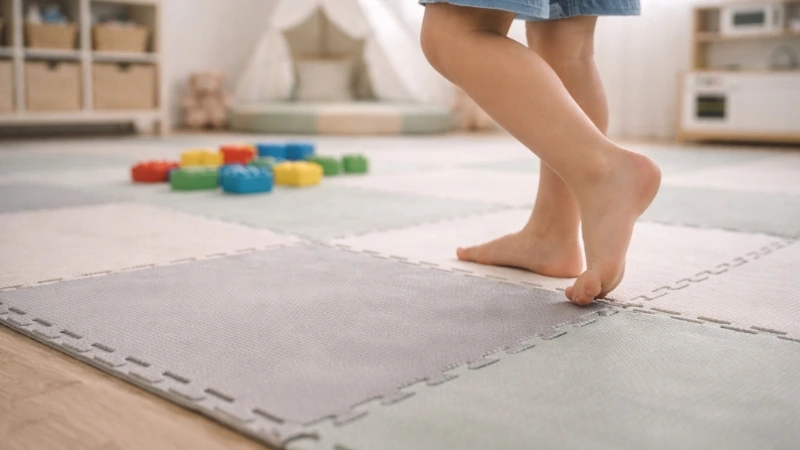
Flooring is one of the most important safety elements in any kids play area.
Hard surfaces increase the risk of injury during falls. Soft surfaces absorb impact and allow children to move freely without constant fear of getting hurt.
Popular safety flooring choices include:
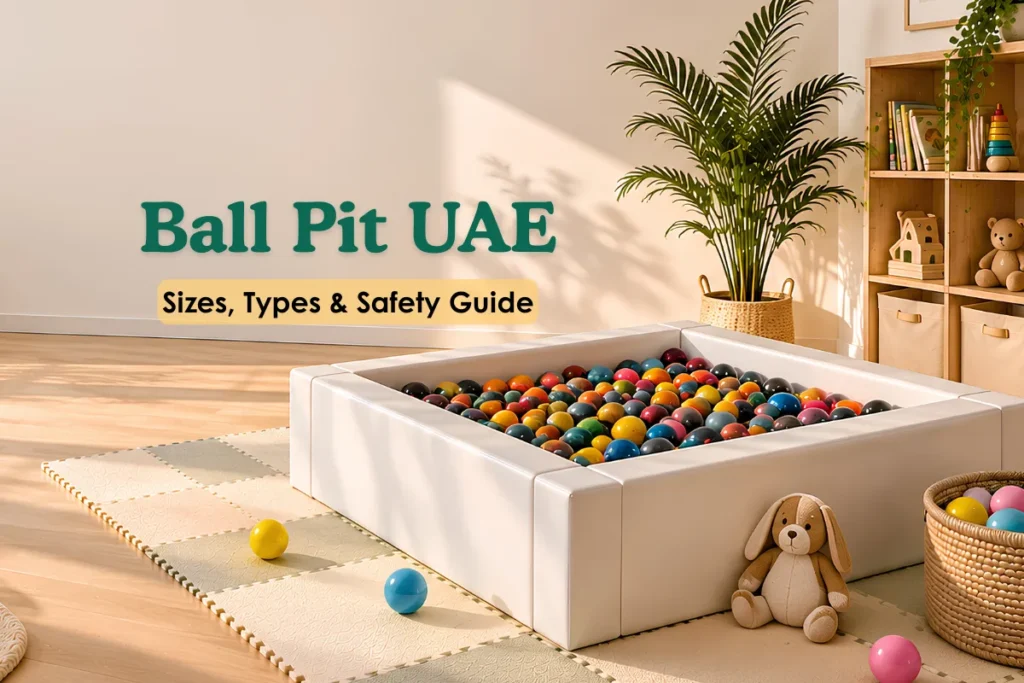
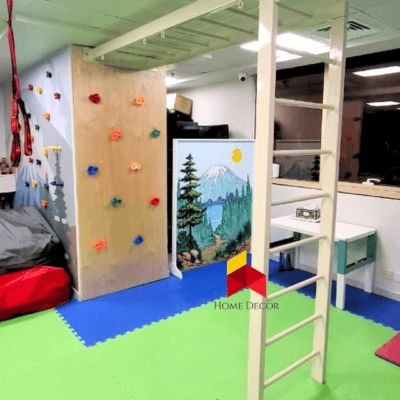
Foam play mats
Rubber safety tiles
Soft padded flooring
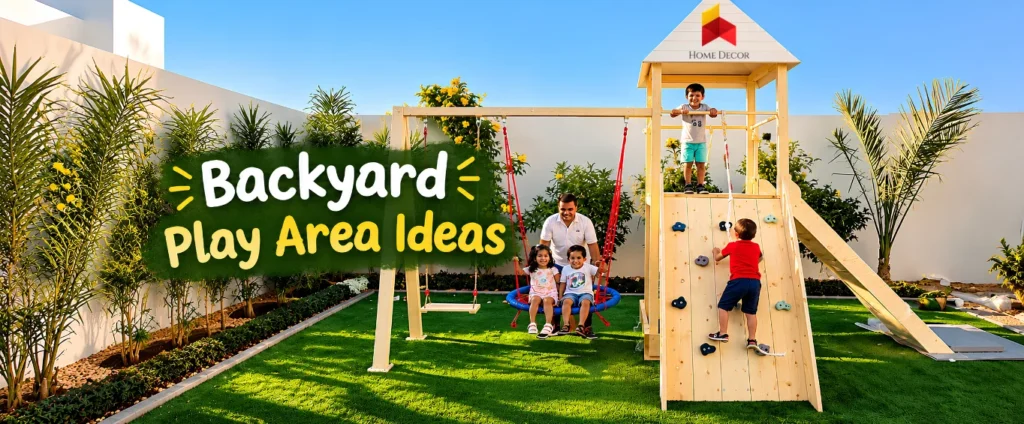
Artificial grass with cushioning
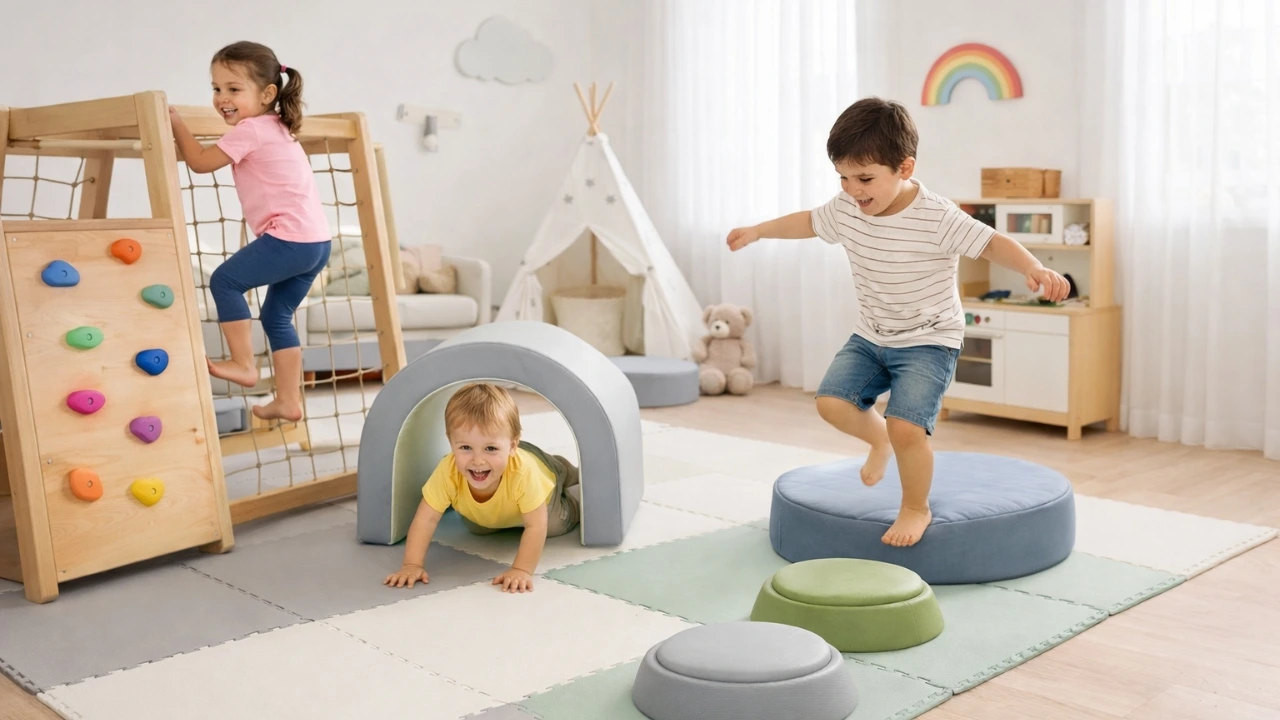
Soft flooring instantly improves safety while maintaining comfort and flexibility. Children can jump, roll, crawl, and explore more confidently.
Add Protection With Safety Padding
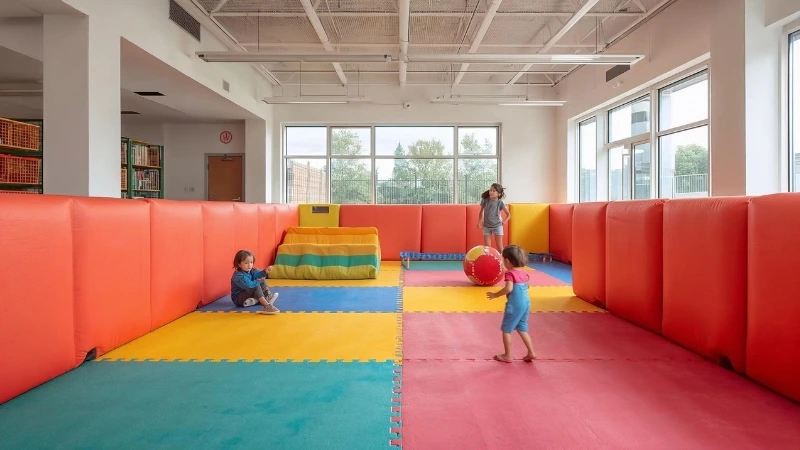
Active play naturally involves movement around structures, walls, and furniture. Safety padding reduces the impact of accidental bumps and contact with hard edges.
Padding is especially useful around:
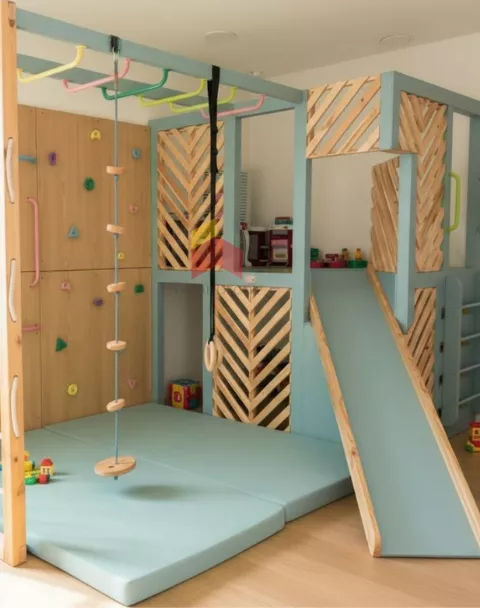
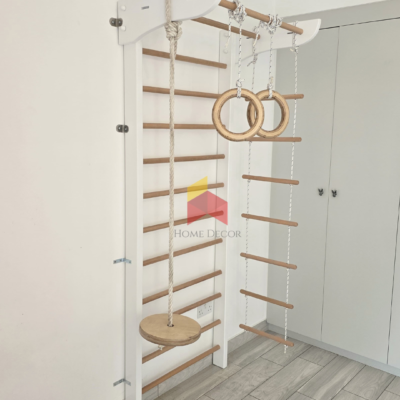
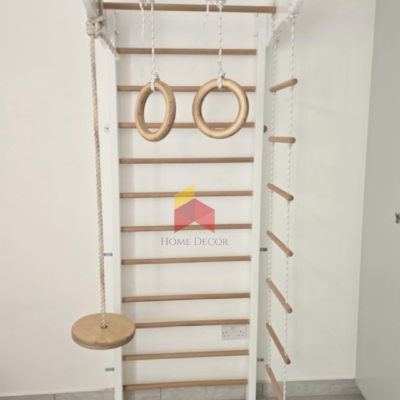
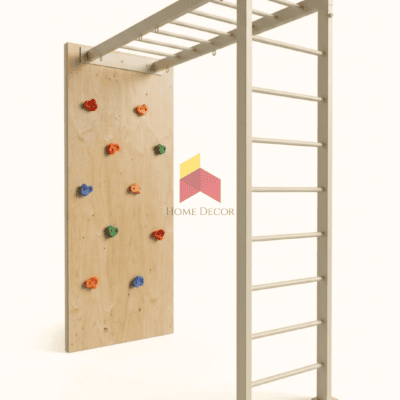
Climbing frames
Monkey bars
Walls near play zones
Corners
Equipment edges
Safety padding allows children to stay energetic without parents needing to intervene constantly.
How to Choose Safe Play Equipment for Different Age Groups
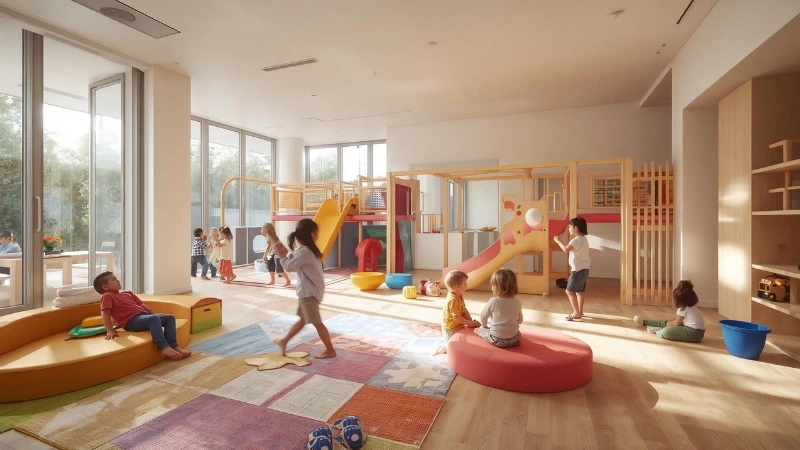
Not all play equipment suits every age group.
Selecting equipment that matches a child’s physical abilities improves safety significantly.
For toddlers and younger children:
Low slides
Soft climbers
Crawl tunnels
Soft play blocks
Gentle balance elements
For preschool and school age children:
Balance beams
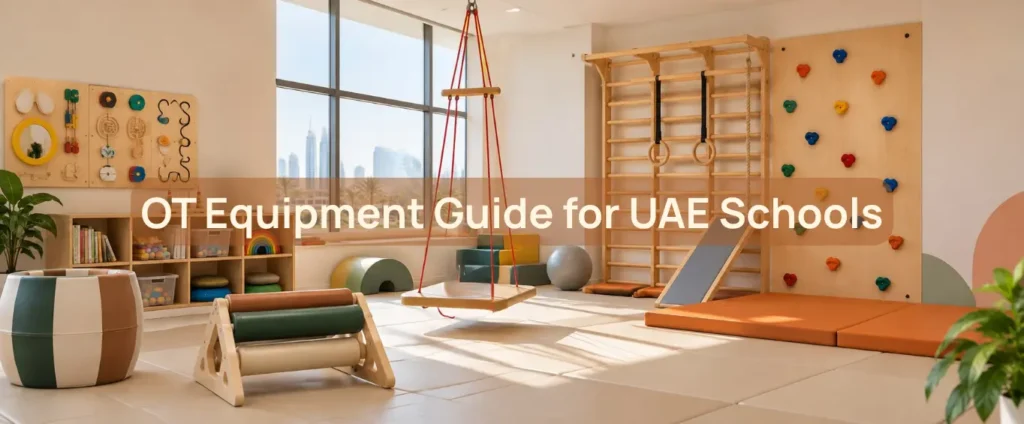
Movement structures
Swings
Equipment should offer challenge without overwhelming the child. Proper height, grip support, and stability matter more than complexity.
How Does Clutter Affect Kids Play Area Safety and Behavior?
A common mistake many parents make is filling the play area with too many items.
More toys and equipment do not always mean more engagement.
Crowded spaces increase accident risks and reduce children’s ability to move freely. They can also overwhelm kids visually, reducing focus and creativity.
Benefits of keeping the space simple:
Fewer collisions
Better movement flow
Improved concentration
Easier supervision
Cleaner environment
Rotating toys and play elements helps maintain excitement without adding clutter.
Create Clear Zones for Different Activities
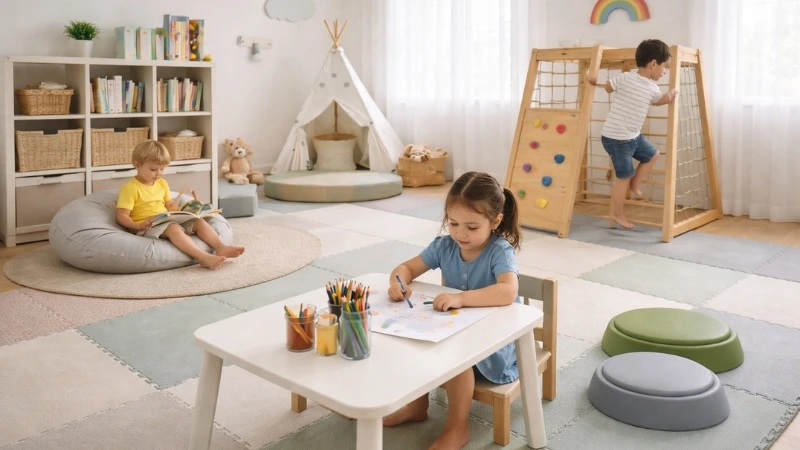
Defined play zones help children understand how to use the space safely.
Zones do not require walls. Simple visual separation works effectively.
Example zones:
Active movement zone
Quiet play zone
Reading corner
Roleplay area
Creative activity area
Rugs, shelves, furniture placement, or room dividers can help separate activities naturally. This reduces chaos and improves safety.
Secure Furniture and Equipment Properly
Unstable furniture and equipment cause many indoor injuries.
Parents should ensure:
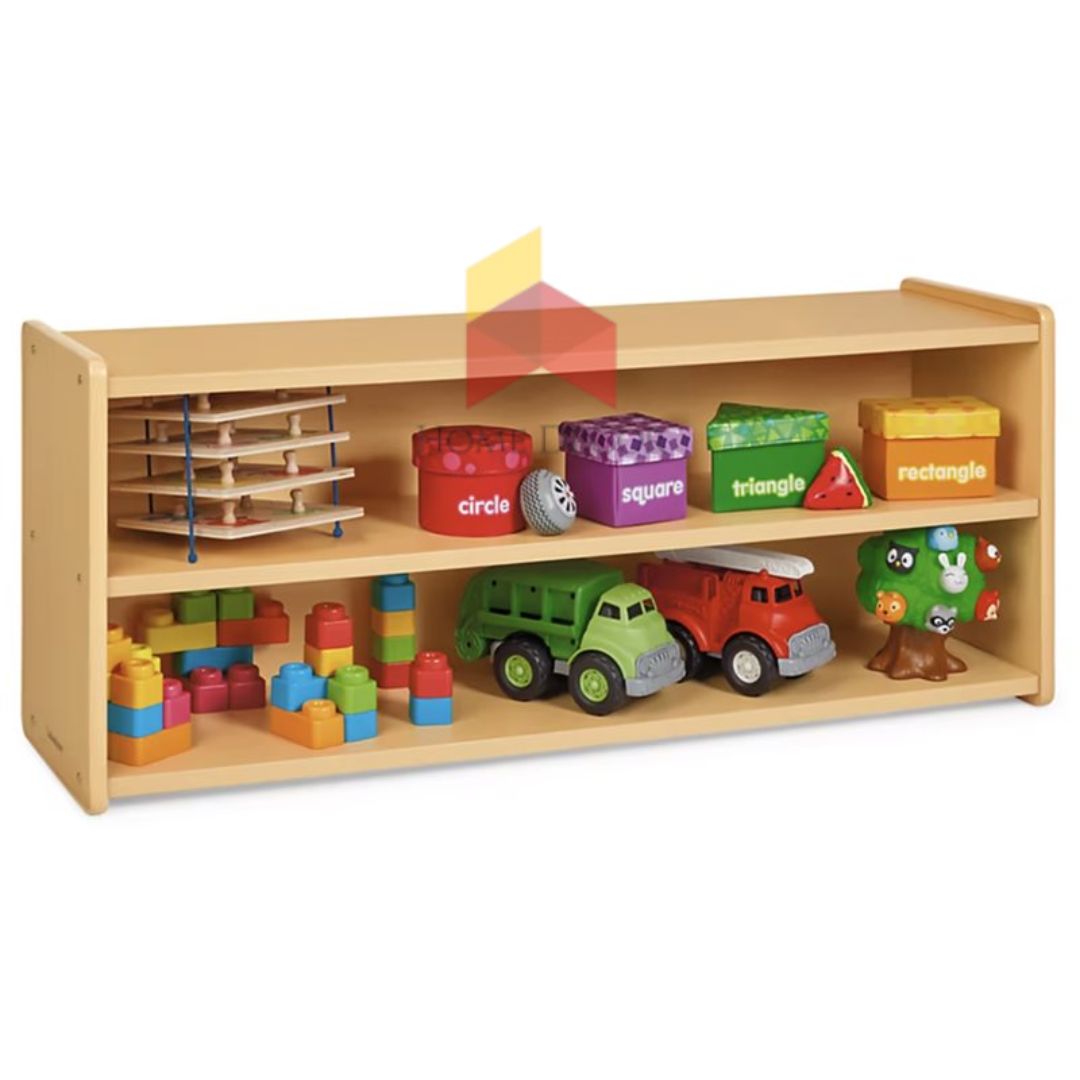
Shelves are fixed securely
Heavy items are anchored
Climbing structures are stable
Mounted equipment is installed correctly
Bolts and joints remain tight
Regular checks prevent accidents without limiting activity.
Can Kids Play Areas Be Safe and Still Challenging?
Children need physical challenges.
A completely risk free environment can limit confidence building and skill development. Safe play areas allow children to test abilities within controlled limits.
Good design supports:
Gradual difficulty
Soft landing areas
Stable climbing structures
Clear movement paths
Safety should support exploration, not restrict it.
Design for Easy Supervision
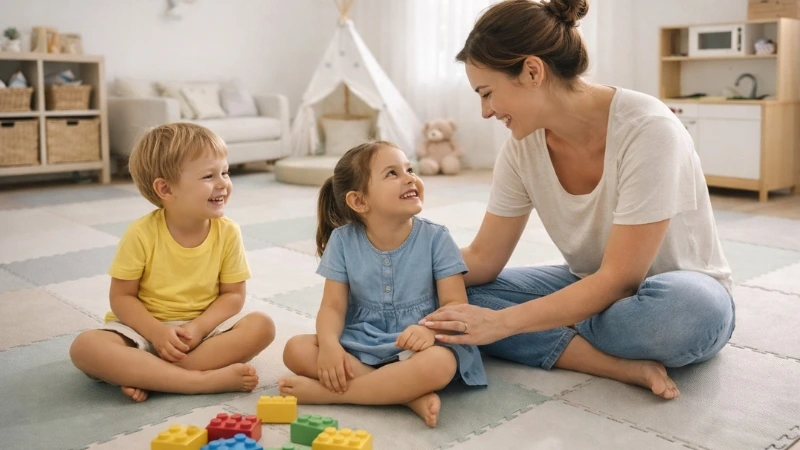
Parents should be able to observe play comfortably without interrupting children constantly.
Clear visibility helps maintain safety naturally.
Helpful design tips:
Avoid blocking sightlines
Use open shelving
Maintain good lighting
Keep pathways clear
Position equipment thoughtfully
Supervision becomes smoother and less stressful.
Maintain Clean and Hygienic Surfaces
Clean play areas are safer play areas.
Dust, dirt, loose items, and neglected surfaces increase accident risks.
Simple maintenance habits:
Daily visual checks
Regular cleaning
Inspecting equipment
Removing damaged items
Checking flooring condition
Well maintained spaces remain inviting and safe.
How Safe Play Spaces Influence Kids Behavior and Confidence
Safety design also influences emotional comfort.
Children who feel secure often show:
Better focus
Longer engagement
Calmer behavior
Improved confidence
Better sleep patterns
When children trust their environment, they explore more freely and responsibly.
Indoor Play Safety in UAE Homes
In UAE households, indoor play often becomes essential during hot months. Safe indoor play spaces allow children to stay active throughout the year without depending entirely on outdoor conditions.
Thoughtful safety design helps families:
Reduce screen time
Maintain activity routines
Encourage independent play
Improve room organization
Indoor play safety supports long term lifestyle balance.
Play Area Safety for Schools and Nurseries
These principles apply equally to:
Nurseries
Preschools
Learning centers
Indoor play zones
Safe environments help educators support physical and social development confidently.
Key Takeaways for Designing a Safe Kids Play Area
Making a kids play area safer does not mean limiting fun, creativity, or movement. In fact, safety focused design often creates more engaging and enjoyable spaces. Soft flooring, safety padding, age appropriate equipment, defined zones, and thoughtful layouts work together to create environments where children can play confidently.
In UAE homes and schools, safer play areas support healthy development, stronger routines, and greater independence. The goal is not to remove every challenge but to create spaces where children feel secure while exploring, learning, and growing.
A well designed play area protects children while allowing imagination, curiosity, and joy to thrive every day.